In contemporary design, Square Glass has emerged as a favored material for its unique versatility. Renowned designer John Mercer states, "Square Glass transforms spaces with elegance and clarity." This statement reflects the growing trend of incorporating Square Glass in various architectural and interior designs.
The benefits of Square Glass extend beyond aesthetics. Its clean lines and structural integrity provide both function and appeal. Designers often utilize it to maximize natural light while maintaining a sense of privacy. In urban settings, Square Glass can create striking facades that stand out against traditional materials.
However, the use of Square Glass is not without challenges. Its maintenance can be demanding, requiring regular cleaning to preserve clarity. Furthermore, design choices must balance transparency with practicality. Reflecting on these issues can enhance the design process, allowing for more thoughtful applications of Square Glass.
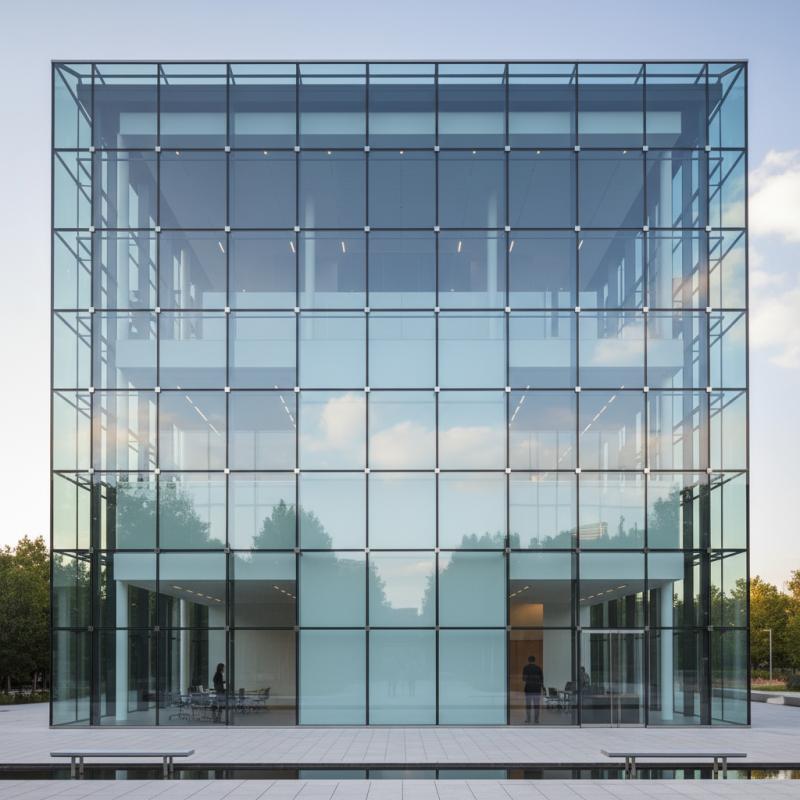
Benefits of Square Glass in Modern Architectural Design
Square glass has emerged as a prominent choice in modern architectural design. Its clean lines and crisp angles offer a contemporary aesthetic that enhances any building. Light plays beautifully through square glass, creating dynamic reflections throughout the day. When used as facades, these panels illuminate interior spaces, making them feel larger and more inviting.
However, there are challenges in using square glass. The material can be heavy, requiring careful structural planning. It often demands a high level of precision during installation. Even slight misalignments can compromise the intended design. Additionally, maintaining cleanliness can be a constant battle; dust and fingerprints are clearly visible, detracting from the overall look.
Despite these drawbacks, square glass proponents argue its benefits outweigh the negatives. It provides unparalleled versatility in design, allowing architects to experiment with shapes and forms. The transparency of square glass encourages a connection with the outdoor environment. It facilitates natural ventilation and enhances energy efficiency when designed thoughtfully.
Enhanced Aesthetic Appeal of Square Glass in Interiors
Square glass has gained popularity in interior design for its unique aesthetic appeal. The clean lines and geometric shapes create a modern look that enhances any space. According to a report from the Glass Association, 78% of designers believe that square glass installations significantly elevate the overall design quality of interiors. This trend aligns with the growing demand for minimalistic and contemporary spaces, where every element counts.
Using square glass can introduce an effective contrast to softer materials. It brightens up rooms, reflecting light and creating a sense of openness. The reflective properties of glass can make smaller spaces feel larger. In fact, studies suggest that incorporating glass features can increase natural light by up to 30%. This increased brightness can positively impact mood and productivity, making it ideal for homes and offices.
Tips: Consider using square glass in areas where natural light is limited. It can act as a focal point in dining or living areas. However, ensure that you balance it with warmer textures to avoid a cold atmosphere. Remember, too much glass can feel stark. Reflect on the overall harmony of your design elements to achieve the best results.
Durability and Strength: Why Square Glass is a Smart Choice
When considering materials for design, square glass stands out due to its durability and strength.
Square glass is often made using tempered techniques that increase its resilience. According to industry reports, tempered glass is five to seven times stronger than regular glass. This unique property makes it ideal for high-traffic areas, such as storefronts and public spaces. Not only does it resist impacts, but it also withstands extreme temperatures well.
Additionally, square glass offers great versatility in design. It can be used in various applications, from facades to furniture. This adaptability is something designers appreciate. However, the weight of square glass can be a concern. Proper support structures must be in place to ensure safety. Designs that overlook this can face structural integrity issues. Not every project can accommodate the necessary reinforcement, which can lead to regrettable oversights.
On a practical level, maintaining the clarity of square glass is also key. While it's generally easy to clean, scratches can compromise its aesthetic appeal. Regular maintenance is required to keep it looking pristine. Balancing aesthetics and functionality can be challenging, but the benefits often outweigh these hurdles. Adopting square glass is indeed a smart choice for modern design.
Versatility of Square Glass in Various Design Applications
Square glass has emerged as a popular choice in various design applications due to its versatility. Whether used in architecture, interior design, or furniture, square glass adds a modern aesthetic. The smooth surface and sleek lines create a clean look, making spaces feel more open. According to a recent industry report, square glass usage has increased by over 30% in the past five years in residential design.
One surprising aspect of square glass is its application in sustainability. Glass is recyclable and can reduce energy costs. In a world where eco-friendliness is a priority, this material shines. Designers can implement square glass in windows, partitions, and even flooring to enhance light flow. However, its reflective properties can be a challenge too. Careful placement is necessary to avoid glare or discomfort.
Tips: When considering square glass for your project, think about the lighting. Too much reflection can detract from your design. Also, balance it with warmer materials to create a cozy atmosphere.
The adaptability of square glass allows it to fit various styles. Industrial, minimalist, or even bohemian designs can incorporate this material effectively. While it offers many advantages, it's essential to recognize potential downsides. The fragility and weight can complicate installations, and maintenance may be more demanding than with other materials.
What are the Benefits of Using Square Glass in Design?
| Design Application |
Benefit |
Material Source |
Sustainability Factor |
| Architecture |
Enhanced natural light and aesthetics |
Recycled glass materials |
High recyclability |
| Furniture Design |
Modern and sleek appearance |
Locally sourced float glass |
Minimal environmental impact |
| Interior Design |
Versatile decor options |
Clear and colored glass |
Energy efficient |
| Retail Spaces |
Attractive product displays |
Tempered glass |
Durable and long-lasting |
| Art Installations |
Creative visual expressions |
Artistic glass variants |
Unique sourcing practices |
Sustainability and Environmental Impact of Square Glass Usage
Square glass has become a popular choice in modern design, especially for its sustainability benefits. A study by the Global Green Building Council indicates that glass can reduce energy consumption by up to 30%. This is mainly due to its excellent insulation properties. When used in buildings, square glass helps to optimize natural light. This significantly decreases the need for artificial lighting during the day.
Another crucial aspect is the lifecycle of square glass. The Environmental Protection Agency reports that glass can be recycled endlessly without losing quality. This means less waste in landfills and a reduction in environmental impact. However, it's essential to note that the manufacturing process still requires considerable energy. Some production methods can release harmful emissions. The industry continuously seeks to improve these processes. Better technologies are necessary to minimize negative effects.
Yet, the aesthetic appeal of square glass cannot be denied. It offers clean lines and a modern look. Clients often favor it for its versatility in various environments. However, the environmental drawbacks present an ongoing challenge. Designers must balance sustainability with the desire for innovative and stylish solutions. Achieving this balance requires thoughtful approaches and responsible sourcing practices.
Benefits of Using Square Glass in Design
FAQS
: Square glass creates clean lines and geometric shapes, enhancing modern spaces with its unique appeal.
Incorporating square glass can increase natural light by up to 30%, making spaces feel larger and brighter.
Use square glass in areas with limited natural light. It acts as a focal point in dining or living areas.
Balance square glass with warmer textures to avoid a cold atmosphere, since too much glass can feel stark.
Yes, square glass can reduce energy consumption by up to 30% and is recyclable, reducing environmental impact.
Its reflective properties can cause glare, and its fragility and weight may complicate installations and maintenance.
Square glass is versatile and can blend into industrial, minimalist, or bohemian designs effectively.
The production process requires significant energy and may release harmful emissions, highlighting a need for better technologies.
Conclusion
Square Glass has become a prominent choice in modern architectural design due to its numerous benefits. First and foremost, its enhanced aesthetic appeal adds a contemporary touch to both interiors and exteriors, making spaces appear sleek and stylish. The durability and strength of Square Glass also make it a practical option, allowing for large spans and minimal structural support, which can lead to more open and versatile designs.
Furthermore, Square Glass boasts versatility, being suitable for a wide range of applications, from residential buildings to commercial spaces. It can be used in windows, partitions, and decorative elements, adapting to various design needs seamlessly. Additionally, the sustainability aspect cannot be overlooked; Square Glass is often manufactured with eco-friendly practices and can contribute to energy efficiency in buildings. Overall, incorporating Square Glass in design not only enhances the visual appeal but also supports durability, versatility, and environmental responsibility.

 Hengsheng