In the competitive landscape of the coffee industry, choosing the right Coffee Cups for your business is crucial. Renowned coffee expert, Dr. Laura Bean, states, "The cup can make or break the coffee experience." Her insight highlights the importance of selecting cups that enhance not only the beverage but also customer satisfaction.
The Coffee Cups you choose should reflect your brand's identity. Customers often judge a business by its presentation. A well-designed cup can elevate the overall experience. However, the selection process may seem daunting. There are numerous materials, sizes, and styles available. Each option comes with its benefits and drawbacks.
For instance, disposable cups are convenient but can harm the environment. Reusable options promote sustainability but require more handling. Balancing quality, cost, and eco-friendliness can be challenging. This decision is not just about practicality; it's about creating an inviting atmosphere. Understanding these nuances helps business owners make informed choices.
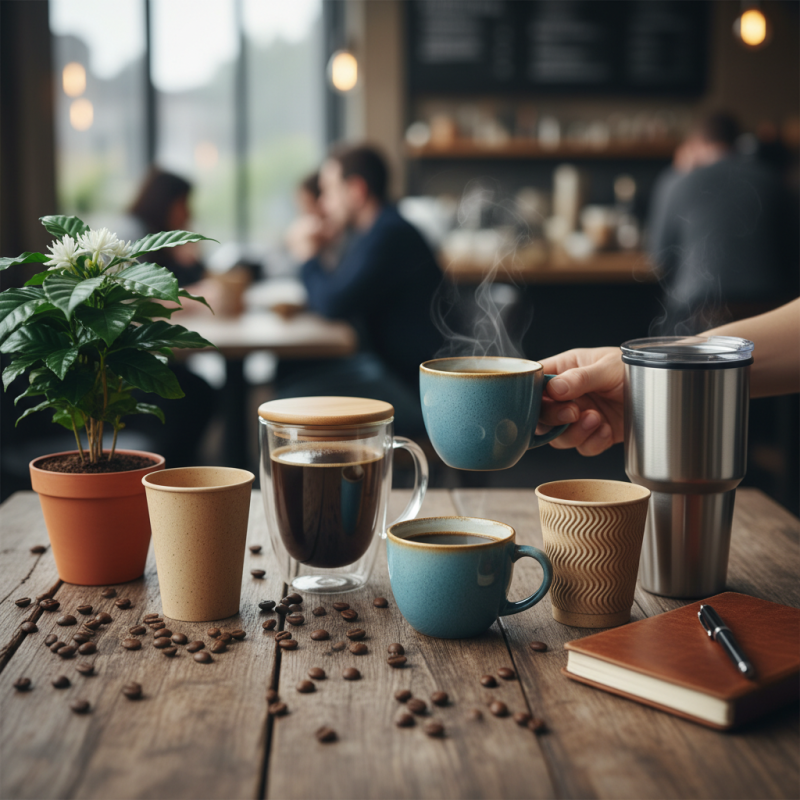
When selecting coffee cups for your business, understanding the types available is crucial. Research shows that the choice of coffee cups can significantly impact customer experience and brand perception. Many customers prefer eco-friendly options. A survey indicated that 74% of consumers are willing to pay more for sustainable products. This makes biodegradable cups a smart choice for businesses aiming for a green image.
Ceramic cups are ideal for cafés aiming to create a cozy atmosphere. They retain heat well and enhance flavor perception. However, they are heavier and break more easily, which can lead to replacement costs. On the other hand, paper cups are lightweight and convenient for on-the-go customers. They are the industry standard for many coffee shops. But they also generate waste, raising sustainability concerns.
Tip: Evaluating your target audience is essential before choosing cup types. Understand their preferences to enhance your service.
Tip: If you're using disposable cups, consider investing in a recycling program to mitigate environmental impact.
Your coffee cup choice can influence customer loyalty. Engage with your audience to find the right balance between functionality and sustainability.
When choosing coffee cups for your business, material selection is crucial. Plastic cups are lightweight and affordable. They are convenient for takeout services. However, they can impact the perception of quality. Customers may prefer sustainable options over single-use plastics.
Paper cups are a popular choice. They are often recyclable and can be printed with custom designs. But the environmental impact is still significant. They often contain a plastic lining, complicating recycling efforts. It’s essential to consider the sustainability of your chosen materials.
Ceramic cups exude a premium feel. They are reusable and can enhance the customer experience. Yet, they are heavier and more fragile than other options. This can lead to higher shipping costs or breakage. Each material has its pros and cons. Reflecting on these factors can help refine your coffee cup selection.
| Material | Benefits | Drawbacks | Best For |
|---|---|---|---|
| Ceramic | Excellent heat retention, aesthetically pleasing, reusable. | Breakable, heavier to transport. | Cafés, upscale restaurants. |
| Paper | Convenient, lightweight, disposable. | Non-reusable, can affect taste if not insulated properly. | Takeaway coffee shops, events. |
| Plastic | Durable, lightweight, often less expensive. | Can leach chemicals, not environmentally friendly. | Fast food restaurants, outdoor events. |
| Glass | Stylish look, does not affect flavor, reusable. | Fragile, heavier than other materials. | Gourmet coffee shops, home use. |
| Stainless Steel | Durable, excellent insulation, reusable. | Can be expensive, may not have the same aesthetic appeal. | Outdoor enthusiasts, casual coffee shops. |
Custom branding options for coffee cups can greatly enhance your business identity. When choosing cups, consider colors and materials that reflect your brand values. For example, earth-friendly materials can appeal to eco-conscious customers. Customized designs can tell your brand story. This adds a personal touch to every sip.
Logo placement is another vital aspect. A well-positioned logo catches attention. Creative designs can spark conversations. Customers often share their experiences on social media. This organic promotion can boost your brand visibility. However, ensure your cups remain functional. Designs that distract from usability can frustrate customers.
Engaging with a designer can help refine your concepts. Feedback from your team can also provide valuable insights. Iteration in the design process is essential. Sometimes, what seems appealing in theory may not translate well in practice. Regularly revisiting your branding strategies can keep your coffee cups relevant. Staying adaptable is key in a competitive market.
Sustainable coffee cups are essential for businesses aiming to reduce their environmental impact. Many options exist that prioritize eco-friendliness while maintaining functionality. Biodegradable cups made from plant materials break down naturally, leaving no harmful residues. These cups often appeal to environmentally conscious customers who appreciate brands that take responsibility.
Another option is reusable coffee cups. They are not just eco-friendly; they enhance customer loyalty. Customers are encouraged to bring their own cups, fostering a culture of sustainability. However, it’s crucial to offer incentives, such as discounts, to promote this initiative. Some customers may forget their cups or feel reluctant to switch. Addressing these concerns can strengthen your business's green image.
Consider compostable cups that perform well in various conditions. They may require specific composting facilities, which can be a hurdle. Customers might not always know where to dispose of them properly. Educating them about disposal methods can bridge this gap. It’s important to acknowledge the complexities of these solutions. Striking a balance between practicality and the desire for sustainability remains a challenge.
When choosing coffee cups for your business, consider size and shape carefully. According to industry research, a customer’s experience is greatly influenced by these aspects. For instance, an 8-ounce cup is ideal for espressos and smaller drinks. This size promotes quick consumption, appealing to busy professionals.
Shape matters too. Wide cups can enhance the aroma, while tall, narrow ones help keep the drink warm longer. A report by the Specialty Coffee Association highlighted that 70% of coffee drinkers prefer a well-proportioned cup. The right shape can enhance the overall presentation, making your offerings more attractive.
Reflecting on customer preferences can be eye-opening. Some consumers appreciate a sturdy, thick cup that feels substantial. Others may prefer lightweight options that are easy to hold. Understanding your clientele will help refine your choices. Too often, businesses overlook these details, potentially impacting their service quality.
: Common materials include plastic, paper, and ceramic. Each has unique traits.
Plastic cups are lightweight and affordable. They are ideal for takeout services.
Paper cups often have plastic lining. This complicates recycling and has a negative environmental impact.
Ceramic cups feel premium and are reusable. They can enhance the customer experience but are heavier.
Custom branding creates a strong business identity. It can attract eco-conscious customers if designed thoughtfully.
Logo placement is crucial for visibility. It must attract attention without distracting from usability.
Engaging with a designer can enhance concepts. Feedback from your team is valuable for refinement.
What looks good in theory may not work in practice. Revisiting designs ensures they meet customer needs.
Regularly revisiting strategies is essential. Adaptability helps maintain competitiveness in the market.
When selecting coffee cups for your business, it's essential to understand the various types available and how they align with your needs. From disposable to reusable options, each type presents unique benefits and drawbacks depending on your operational goals. Material choices, such as ceramic, paper, or plastic, also play a critical role in durability, cost, and customer experience.
Custom branding options can enhance your business's visibility while sustainable coffee cup solutions are increasingly important in today's eco-conscious market. Choosing the right size and shape of coffee cups not only affects functionality but also influences aesthetic appeal, which can enhance customer satisfaction. By taking these factors into consideration, you can effectively select the best coffee cups that represent your business values and meet customer expectations.
Hengsheng