The market for glass bottles is escalating. According to the Global Glass Bottle Market Report, the industry is projected to reach $70 billion by 2026. This growth is driven by the increasing demand for sustainable packaging solutions. Glass bottles are favored for their recyclability and safety in preserving contents.
In 2022, glass bottles accounted for over 25% of the total beverage packaging sector. This figure highlights the importance of investing in high-quality glass products. Many manufacturers are reformulating their production processes to meet sustainability goals. Consumers increasingly prefer brands that prioritize eco-friendly packaging.
However, not all glass bottles meet the same standards. Investors must conduct thorough research to identify reliable suppliers. An understanding of market trends and customer preferences is essential. Investing in the right glass bottles can yield significant returns, but caution is necessary. Always ensure quality and compliance with industry regulations.
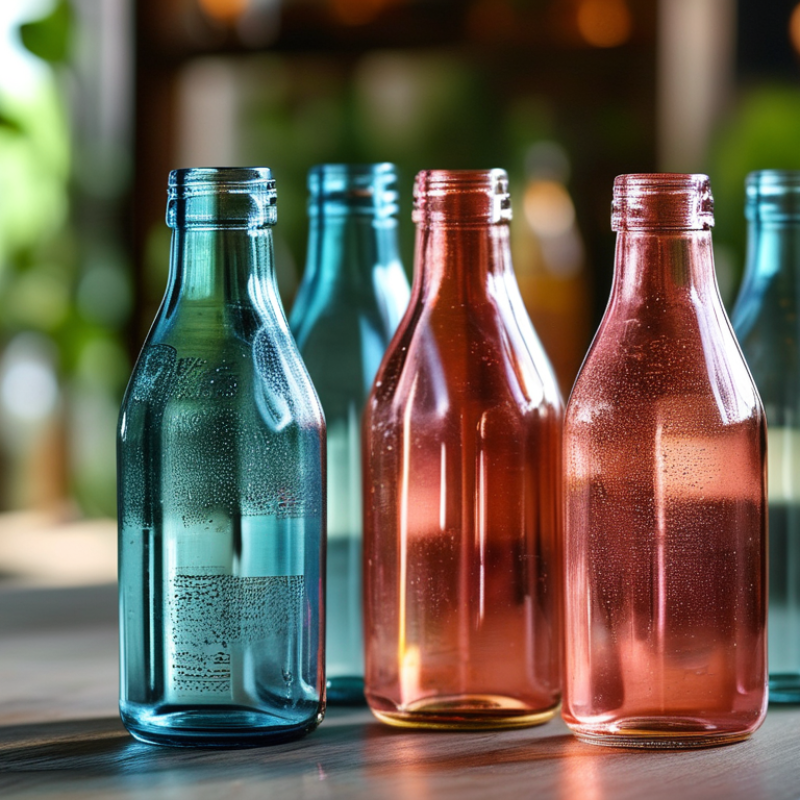
When considering glass bottles for investment, key features play a critical role. Transparency is vital; buyers prefer bottles that allow easy inspection of contents. The clarity of the glass indicates quality. According to industry reports, glass bottles with high clarity often yield better resale values. Additionally, weight matters. Heavier bottles are generally more durable, which can be appealing in various markets.
It’s essential to consider the capacity of the bottles. Standard sizes like 250ml or 500ml are popular for multiple applications. A report from the Glass Packaging Institute highlights that consumer preference leans towards versatile sizes, boosting potential sales. Color can also influence demand; for instance, amber or green bottles are favored for certain beverages and may increase interest from buyers.
Tips: Focus on sourcing bottles with unique shapes. Uncommon designs can attract niche markets. Always check supplier certifications. Reliable sources ensure product quality. Lastly, monitor market trends; consumer preferences can shift, affecting the resale potential of specific bottle types. Regularly review your inventory to adjust to these changes.
| Bottle Type | Capacity (ml) | Weight (grams) | Price (USD) | Key Features |
|---|---|---|---|---|
| Classic Water Bottle | 500 | 250 | 10.00 | Eco-friendly, Reusable, Dishwasher Safe |
| Screw Top Bottle | 750 | 300 | 12.50 | Leak-proof, BPA-Free, Durable |
| Beverage Glass Bottle | 350 | 200 | 8.00 | Stylish Design, UV Protective, Lightweight |
| Infuser Bottle | 600 | 310 | 15.00 | Fruit Infuser, BPA-Free, Easy to Clean |
| Travel Glass Bottle | 400 | 270 | 11.00 | Compact, Insulated, Silicone Sleeve |
: Transparency and clarity are crucial. These factors indicate the quality and potential resale value.
Heavier bottles are usually more durable. This can appeal to buyers in various markets.
Standard sizes like 250ml or 500ml are widely preferred. They support diverse applications and boost sales.
Yes, colors like amber or green are favored for specific beverages. This can increase buyer interest and demand.
Unique designs attract niche markets. Standing out can enhance your investment's appeal and marketability.
Many buyers prefer eco-friendly practices. Companies showing responsibility can foster a more positive market image.
Initial production costs are high due to raw material prices. This can impact profit margins over time.
Yes, consumer preferences can shift. Regularly reviewing inventory helps adapt to these changes effectively.
Check their production quality and certifications. Reliability assures you of product safety and durability.
Shipping glass can be costly due to weight. This must be factored into your overall cost analysis.
The article titled "2026 Best Glass Bottles for Global Buyers to Invest in" provides an insightful overview for prospective investors in the glass bottle market. It emphasizes key considerations such as quality, durability, and cost analysis, helping buyers understand the balance between investment and market demand. Additionally, it highlights the importance of emerging trends in glass bottle design and sustainability, which are becoming increasingly relevant in today's eco-conscious marketplace.
Furthermore, the article showcases top manufacturers in the industry, equipping global buyers with the necessary information to make informed decisions. By comparing various glass bottles in terms of quality, price, and durability, the article serves as a valuable resource for anyone looking to enter this growing sector in 2026. The insights into market trends and investment factors aim to guide buyers towards making strategic choices in their acquisition of glass bottles.

 Hengsheng