What Types of Beer Glass Bottles Are Best for Buyers?

Time:2026-09-24 Author:Amelia
0%

Choosing the right Beer Glass Bottle is not just a matter of appearance. Buyers must match bottle shape, glass weight, neck finish, and closure to the beer, filling line, and shipping conditions. A 330-milliliter long-neck bottle suits many retail shelves, while a heavier 500-milliliter bottle can feel substantial in the hand. But extra glass also means added weight and freight cost. Small details matter.

“Choose the bottle for the beer, the line, and the journey—not the shelf alone,” says fictional packaging adviser Daniel Mercer. This is an original illustrative quote, not a verified statement from a real industry expert. For purchasing decisions, compare supplier specifications and test samples under actual filling and transport conditions.

This guide examines common bottle types, including long-neck, stubby, swing-top, and specialty designs. It considers capacity, color, durability, compatibility, and branding potential. A clear bottle may show off a beer’s color, yet offer less protection from light than amber glass. There is no universal best choice. Some buyers may still underestimate breakage, closure fit, or minimum order quantities. Careful testing helps expose those gaps before a large order.
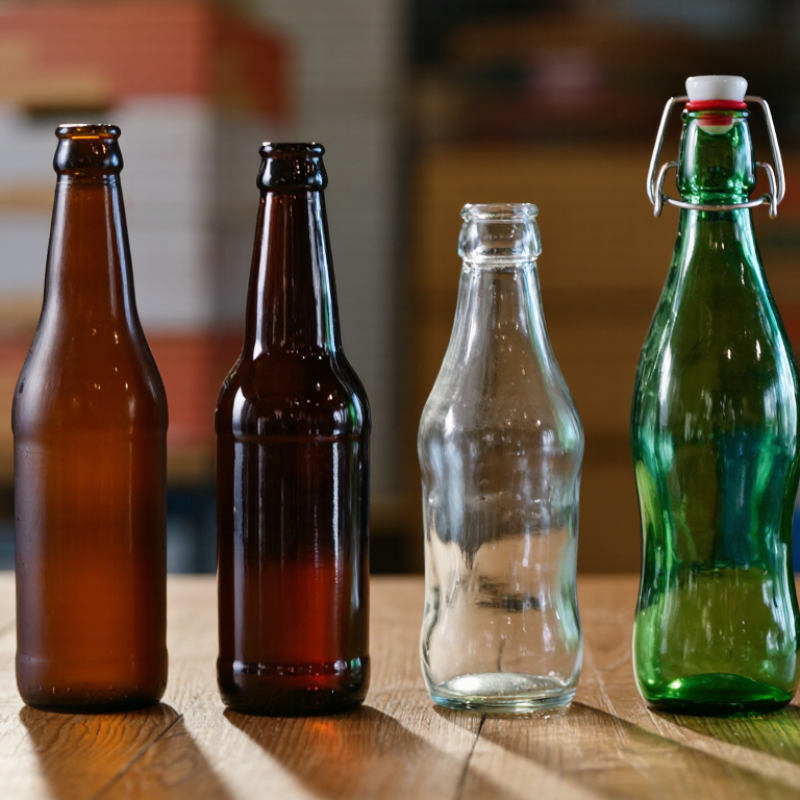
What Types of Beer Glass Bottles Are Best for Buyers?

Beer Bottle Selection Criteria: Capacity, Closure, Weight, and Cost

Choosing a beer bottle starts with the pour, not the label. Common capacities range from single-serving bottles to larger formats for sharing. Match the size to how customers drink and how your product is sold. A smaller bottle may chill quickly and suit portion control. Larger bottles can reduce packaging per volume, but they may be awkward to pour and store. Measure your filling line and cartons before committing; a sample bottle can reveal handling problems that a specification sheet misses.

Closures affect sealing, filling speed, and the opening experience. Crown closures are familiar and compact, while screw closures may offer easier opening when the bottle finish supports them. Test the closure with your filling equipment and check for consistent seals. Small differences matter. Weight deserves equal attention. A heavier glass bottle can feel substantial in the hand, yet adds shipping weight and may increase breakage risk during handling. Lighter glass can lower transport loads, but only if it performs reliably on your line.

Cost is more than the unit price. Include freight, storage, closure costs, breakage, and any equipment adjustments. Ask suppliers for samples and run a practical trial with filled bottles, not empty ones. Record defects and packing time. I would not choose the cheapest option from a quote alone; that shortcut can be expensive. Some trade-offs remain imperfect, so compare actual performance against your budget and customer expectations.

Common Formats: 330 mL and 500 mL Beer Bottles in EU Rules

For EU buyers, 330 mL and 500 mL are familiar beer-bottle formats, not universal legal requirements. EU Directive 2007/45/EC harmonizes nominal quantities for selected products, but does not prescribe these two sizes for beer. Check the destination market, retailer specifications, and filling-line settings before choosing a format. A 330 mL bottle suits single-serve shelves and lighter pours; 500 mL offers more volume per unit. The trade-off is practical: larger bottles need more glass and may feel heavier in the hand.

Packaging performance matters as much as capacity. Eurostat reported that the EU recycled 74.9% of glass packaging waste in 2022. That figure covers glass packaging broadly, not beer bottles alone, but it highlights the value of designs that fit established collection and recycling systems. Standard neck finishes, clear volume markings, and consistent dimensions can also simplify filling and inspection. Details count.

There is no perfect size. Before ordering, test filled bottles for weight, grip, transport breakage, and fit in cartons and coolers. A bottle that looks efficient on a specification sheet may be awkward on a crowded shelf. One detail is easy to overlook: confirm whether the stated capacity means the brimful volume or the intended fill volume. The distinction can affect labels, filling controls, and buyer expectations. That step deserves a second look.

Longnecks, Stubbies, and Growlers: Matching Shapes to Beer Styles

Longneck bottles suit many pale ales, lagers, and wheat beers. Their narrow necks are easy to grip, while the familiar shape fits standard bottle storage and pouring routines. A steady pour into a clean glass helps release aroma without building excessive foam. For buyers, consistent dimensions can simplify packing and shelf planning. But the long neck is not automatically better; heavier glass adds shipping weight, and the small opening may slow filling.

Stubby bottles have a shorter, broader profile. They can feel stable on a table and use less vertical space in some coolers. Their compact form works well for crisp lagers and other beers often served cold and quickly. The trade-off is reduced room for labeling, and their wider bodies may need careful packing to limit movement.

Growlers serve a different purpose. Their larger capacity suits fresh beer intended for sharing, especially when a tight closure helps limit oxygen exposure. Keep them clean and cold. They are not ideal for every style or occasion. A growler can lose carbonation after opening, so buyers should consider how soon it will be emptied. Shape affects handling and storage, but freshness also depends on fill quality, closure, and care. I would test a small batch before committing; packaging choices can look perfect on paper and feel awkward in use.

Pressure and Thermal-Shock Testing: ISO 7459 for Glass Containers

For beer buyers, a bottle’s appearance matters less if it cracks during filling or cooling. ISO 7459 specifies methods for assessing thermal-shock resistance in glass containers. It examines how bottles withstand rapid temperature changes, such as moving from a warm rinse to a cooler filling area. The test helps compare performance under controlled conditions. It does not guarantee that every bottle will survive every production line.

Pressure resistance is a separate concern. Internal pressure testing is covered by ISO 7458, not ISO 7459. For carbonated beer, buyers should ask suppliers for relevant pressure-test results alongside thermal-shock data. Check the test conditions, sample size, and acceptance criteria. A number without context can mislead. Ask about the bottle’s intended fill temperature and handling conditions, too.

Look closely at the heel, sidewall, and finish for visible flaws, but remember that visual checks cannot replace testing. Consistent wall thickness and careful handling can reduce risk, yet real lines have vibration, delays, and occasional temperature swings. That is where plans meet reality. Testing samples from incoming batches can reveal changes before they affect a full shipment. Even a strong result deserves review when bottle weight, shape, or production conditions change.

Reuse and Recycling: Glass Packaging Institute’s Infinitely Recyclable Claim

Glass beer bottles can be recycled repeatedly without losing the basic quality of the glass. That is the promise behind the Glass Packaging Institute’s “infinitely recyclable” claim. In practice, the phrase describes the material, not a guarantee that every bottle becomes a new bottle. Collection, sorting, contamination, and local processing all matter.

For buyers, reuse and recycling are different choices. A sturdy bottle with a standard shape may be easier to collect, inspect, and refill where a return system exists. Look for thick, even walls and a neck that feels solid in the hand. Still, weight alone does not prove a bottle is reusable. Chips, cracks, and worn closures can make it unsuitable for another fill.

Recycling works best when bottles are emptied and separated from other packaging. A sticky ring of beer or a ceramic cap left on the neck can complicate handling. Small details matter. Clear, amber, and green glass may be sorted separately, depending on the facility. Local rules vary, so check them before choosing packaging for a large order. Glass can circulate for a long time, but transport and repeated washing use energy and water. I used to treat “infinitely recyclable” as a complete environmental answer. It isn’t.

FAQS

How should I choose a beer bottle capacity?

Match capacity to serving habits, sales format, and storage space. Small bottles chill quickly; larger ones may reduce packaging per volume but can be awkward to pour.

What should I check before choosing a bottle closure?

Confirm that the closure fits the bottle finish and filling equipment. Test filled bottles for consistent seals and opening ease.

Does a heavier glass bottle offer better quality?

Not necessarily. It may feel substantial, but adds shipping weight and could increase handling breakage. Test lighter options on your production line.

What costs should I include beyond the bottle price?

Count freight, storage, closures, breakage, and equipment adjustments. Run a filled-bottle trial and record defects and packing time.

What does ISO 7459 test?

It assesses glass containers’ resistance to rapid temperature changes. It helps compare bottles, but cannot guarantee performance on every production line.

Which test covers pressure resistance?

ISO 7458 covers internal pressure testing. For carbonated beer, review pressure-test results alongside thermal-shock data, including test conditions and sample size.

Can every glass bottle be reused?

No. Reuse depends on collection systems and bottle condition. Chips, cracks, or worn closures can make a bottle unsuitable for another fill.

Does “infinitely recyclable” mean every bottle becomes a new bottle?

No. The phrase describes glass as a material. Collection, sorting, contamination, and local processing affect what actually gets recycled.

How can bottles be prepared for recycling?

Empty them and separate them from other packaging. A sticky beer ring or cap left on the neck can complicate handling.

Is glass recycling always an environmental improvement?

Not by itself. Transport and repeated washing use energy and water, so local collection and reuse conditions matter.

Conclusion

Choosing the best Beer Glass Bottle depends on how it will be filled, transported, sold, and enjoyed. Buyers should compare capacity, closure compatibility, bottle weight, and total cost, while considering common 330 mL and 500 mL formats used in European markets. Longnecks suit many standard servings, stubby bottles offer a compact alternative, and growlers are useful for larger quantities and sharing. The bottle’s shape and size should also complement the beer style and the intended drinking occasion.

For products containing carbon dioxide, buyers should verify that containers are designed for the expected internal pressure and handling conditions. Pressure and thermal-shock testing, including methods described in ISO 7459, can help assess container performance. Reuse and recycling are also important selection factors: glass can be collected and recycled repeatedly, while reusable bottles may reduce packaging waste when supported by suitable cleaning and return systems. The right choice balances practical performance, user experience, cost, and responsible end-of-life management.


Amelia

Amelia

Amelia is a seasoned marketing professional with a wealth of expertise in our company’s core offerings. With an unwavering passion for driving growth and innovation, she plays a pivotal role in shaping our marketing strategies and enhancing brand visibility. A key aspect of her responsibilities......