In today's competitive market, sourcing high-quality Empty Glass Bottles is crucial for many businesses. Industry expert Dr. Emily Carter, a renowned packaging specialist, emphasizes, "Choosing the right glass bottles can transform your product's appeal." This insight highlights the importance of making informed decisions when purchasing empty glass bottles.
Understanding your business needs is vital. Different types of glass bottles serve various purposes, from beverage packaging to cosmetics. An informed choice will enhance your product's presentation and ensure consumer satisfaction. You must also consider factors such as size, shape, and design, all of which contribute to the overall branding strategy.
Additionally, it's essential to evaluate suppliers carefully. Not all manufacturers adhere to the same quality standards. Look for those with positive reviews and a commitment to sustainability. Remember, the journey to finding the perfect empty glass bottles may have its challenges. However, the right investment can lead to significant rewards in product marketing and consumer trust.
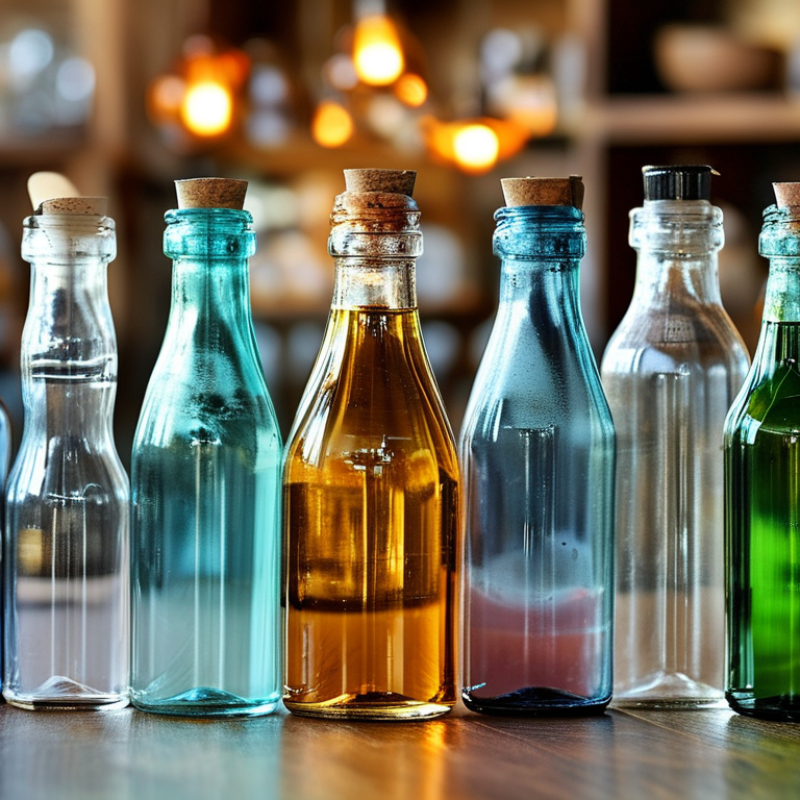
When considering glass bottles for your business, understanding your specific needs is crucial. Begin by assessing the type of products you will store or sell. Will you use them for beverages, cosmetics, or something else? Each application requires different bottle shapes, sizes, and closures.
Next, think about the design elements that appeal to your brand. Clear bottles offer visibility, while colored ones can provide UV protection. The neck style and bottle shape also impact consumer perception. Don't overlook the importance of bottle weight; heavier options often convey quality, but they can also increase shipping costs.
Investigate suppliers that align with your needs. Some may offer custom options, while others might specialize in certain styles. It's essential to review the minimum order quantities. You may find it hard to commit to a large order without knowing how the market reacts. Testing with smaller batches can save you from overproduction or inventory issues. Remember to consider sustainability as well; eco-friendly options may resonate better with your audience.
When selecting empty glass bottles for your business, it’s essential to consider the different types available. Glass bottles come in various shapes and sizes, catering to diverse needs. For instance, wine bottles are perfect for beverages, while small amber bottles are excellent for essential oils. Clear glass bottles allow customers to see the product inside, which can enhance its appeal.
Tips: Always check the quality of the glass. Thin glass may not be durable. Look for bottles with a smooth finish to avoid injuries. Consider your branding. Custom shapes can make your product stand out.
Another consideration is the bottle's closure type. Corks, screw caps, and pumps can significantly affect usability and customer experience. Each type has pros and cons. Corks provide an elegant touch but can compromise the seal over time. Screw caps are reliable but may lack appeal for premium products.
Tips: Experiment with samples before making large purchases. It can save costs and ensure you meet customer expectations. Pay attention to how the bottles fit in your marketing strategy and distribution channels.
When evaluating suppliers for empty glass bottles, quality is paramount. You need bottles that are strong and durable. Inspect samples carefully. Look for uniformity in shape and thickness. Uneven bottles can lead to issues down the line. Check for any defects such as bubbles or cracks. These imperfections not only affect aesthetics but also functionality.
Reliability is equally essential. Research potential suppliers before placing orders. Read customer reviews and testimonials. A supplier with a good reputation tends to prioritize quality. Ask for references from other businesses. This can reveal insights into their practices and reliability. Communication is crucial too. Responsive suppliers are often more committed to meeting your needs.
Consider the supplier's production capabilities. Large-scale orders require an efficient supplier. However, not all companies can meet high volume demands. It's wise to confirm their ability to deliver on time. Reflect on your experiences with different suppliers. Learning from past mistakes can inform better choices in the future.
When purchasing empty glass bottles for your business, it's crucial to compare prices and delivery options. Many suppliers have different pricing structures based on the size of the order. Smaller orders might have higher per-unit costs, while bulk orders often result in significant savings. Don't overlook the hidden fees that may apply. Delivery charges can vary widely among suppliers. Some might offer free delivery for larger orders, while others charge according to distance.
Investigating suppliers' delivery timelines is equally important. Some businesses promise quick shipping, yet they may not meet deadlines consistently. It’s wise to ask for estimated delivery dates upfront. Also, consider the supplier's return policy. Bottles can arrive damaged, and having a clear return option can save time and money. Explore online reviews and testimonials to gauge suppliers' reliability.
Many businesses face challenges when sourcing glass bottles. Prices can fluctuate based on market trends. This unpredictability makes it essential to stay informed. Regularly revisiting suppliers for price checks can help you stay ahead. Building a relationship with your supplier can also lead to better deals and reliability. Aim for continuous improvement in your sourcing strategy. Adaptability and preparation can make all the difference in your buying experience.
When purchasing empty glass bottles, compliance with industry standards is crucial. Many industries require specific guidelines for packaging. For example, food and beverage sectors often mandate that bottles must be made from food-grade glass. This ensures safety and maintains product integrity.
Research available regulations for your specific industry before making a purchase.
Additionally, consider the importance of certifications. Certifications, such as ISO or FDA approvals, enhance the reliability of suppliers. It’s essential to ask potential suppliers about their compliance records. A supplier who is transparent about their practices can provide peace of mind.
Sometimes, potential issues arise. For instance, a supplier might not meet quality standards. This could affect your product and brand reputation. Always request samples before committing to a large order. Understanding the nuances of compliance can seem daunting. However, investing time in research and due diligence pays off.
: There are many types. Wine bottles suit beverages. Small amber bottles work well for essential oils.
Always check the glass thickness. Thin glass may break easily. Smooth finishes prevent injuries during use.
Consider corks, screw caps, or pumps. Each has benefits. Corks look elegant; screw caps offer reliability.
Compliance ensures safety and product integrity. Many sectors require specific packaging guidelines for glass bottles.
Ask for records of certifications. Certifications like ISO or FDA add credibility to your suppliers.
Request samples before large orders. Ensuring quality helps protect your brand reputation and future sales.
Unique bottle shapes can differentiate your product. They catch customer attention and align with your brand identity.
Yes, research is vital. Understanding regulations may seem tough, but it's crucial for compliance and safety.
Ensure the bottle fits your branding and target market. Consider the product visibility and design appeal to customers.
Testing samples helps you meet customer expectations. It reduces risk with large orders and enhances overall satisfaction.
When purchasing empty glass bottles for your business, it's essential to first understand your specific requirements. Consider factors such as size, shape, and capacity, as these will influence your choice of bottles depending on the products you plan to package. Next, explore the various types available in the market, ranging from beverage bottles to cosmetic containers, ensuring they align with your business goals.
Evaluating potential suppliers is crucial for guaranteeing quality and reliability. Look for manufacturers with a proven track record and positive customer feedback. Additionally, compare prices and delivery options to find the best value for bulk orders. Lastly, ensure that the empty glass bottles you select comply with industry standards and regulations, which can vary by sector, to maintain safety and quality within your operations. This comprehensive approach will help secure the right bottles that meet both your needs and those of your customers.

Hengsheng