In the ever-evolving world of beverages, choosing the right Beer Bottles is crucial for your business. The bottle you select can influence your brand's image and sales. There are various types, from traditional glass to eco-friendly options. Each type carries its own advantages and drawbacks.
Consider factors like sustainability, cost, and design. Many businesses overlook the importance of bottle aesthetics. The right design can attract customers and enhance their experience. Yet, not every choice suits every business context. A premium craft brewery might prefer elegant bottles, while a casual brewery may opt for practicality.
Evaluating suppliers is essential. Ensure they prioritize quality and reliability. Flaws in bottles can lead to problems like spoilage. Take the time to reflect on your unique needs. This choice deserves careful consideration. Each detail matters in creating a lasting impression. Ultimately, the right Beer Bottles can make or break your brand's success.
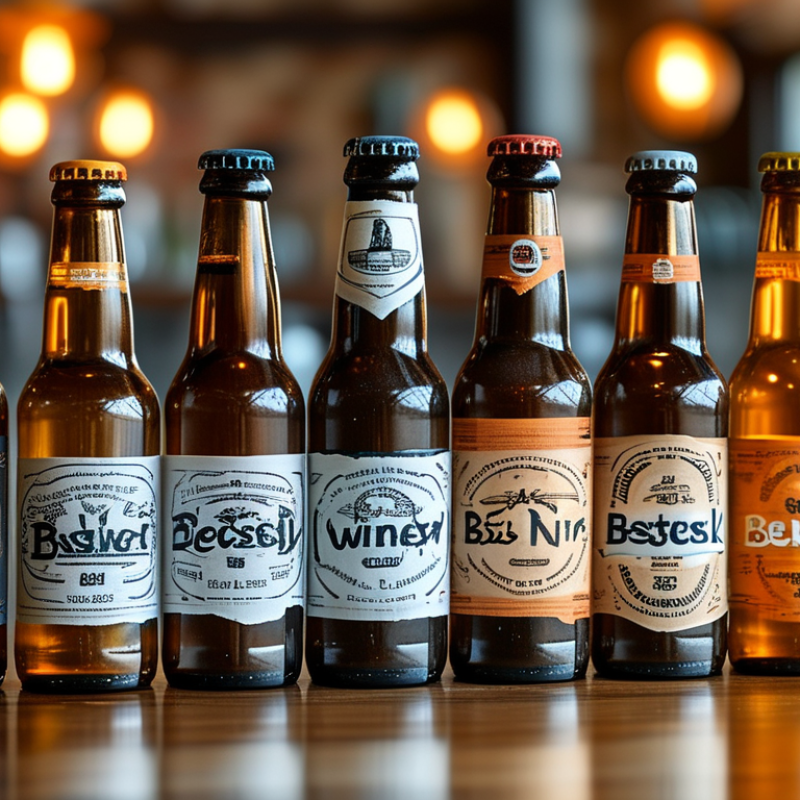
Factors to Consider When Selecting Beer Bottles for Your Business
When selecting beer bottles for your business, several factors demand attention. The type of beer you will bottle plays a crucial role. Different beers may require specific bottle shapes and sizes to enhance their presentation and protect their quality. A light lager might do well in clear glass, while a stout benefits from a darker bottle to shield it from light exposure.
Bottle material is another key consideration. Glass is the most common choice, but plastic offers portability and lower costs. However, glass provides a more premium feel. Think about your brand image. Packaging should reflect the quality and character of your beer. Consider the weight and design, as customers often associate these with value and stability.
Sustainability is gaining traction. Eco-friendly bottle options appeal to an environmentally conscious market. Think about your sourcing and disposal processes. Reflecting on this can enhance your business’s reputation. The size of your batches also matters. Smaller batches may opt for unique, eye-catching designs, while larger production runs often call for standard options. Balancing creativity and cost is a valuable consideration, yet it can sometimes be tricky to find the right equilibrium.
Types of Beer Bottles Available and Their Unique Benefits
When selecting beer bottles for your business, it’s important to understand the different types available. Each type has unique benefits that can affect your brand’s image and sales. The most common types are glass bottles, plastic bottles, and aluminum cans. Glass bottles are preferred by many breweries for their ability to preserve flavor. According to a recent industry report, 75% of craft breweries opt for glass due to its inert nature. However, their weight can increase shipping costs.
Plastic bottles are another option. They are lightweight and less fragile, making them suitable for outdoor events. Yet, many consumers perceive plastic as lower quality. If you choose plastic, consider using high-quality PET that maintains flavor. Aluminum cans are also gaining popularity. They are fully recyclable and have a lower carbon footprint. A study from Beverage Marketing Corporation reveals that canned beer sales have surged by 41% over the past five years.
Tips: Consider your target market. Understand their preferences. Test different packaging to see which resonates most. Always weigh economic factors. Your choice of bottle can influence branding and customer satisfaction. Not every option will suit your product, so reflect on what aligns with your vision.
Types of Beer Bottles and Their Unique Benefits
Understanding the Importance of Bottle Size and Shape
When it comes to selecting beer bottles for your business, understanding the significance of size and shape is essential. Different bottle sizes can influence customer perceptions and purchasing decisions. A 12-ounce bottle is common, but larger options, like 22-ounce or even 750ml, can create a premium feel. The shape of the bottle also affects brand recognition and can differentiate your product in a crowded market.
Tips: Consider using unique bottle shapes to stand out. A tall, slender bottle might attract a younger demographic, while a robust, shorter bottle could appeal to craft beer enthusiasts. Experiment with various designs to see what resonates with your audience.
Always remember, the bottling process should reflect your brand's identity. Glass color can also play a role, as green or brown bottles protect the beer from light exposure. Think about what your customers want. Sometimes, a simple design may speak louder than an elaborate one.
Considering these factors can enhance your product's appeal. Reflect on your choices regularly. Is the bottle serving your brand image? Adapt and evolve with customer feedback to ensure success.
Evaluating Material Options for Beer Bottles: Glass vs. Plastic
When evaluating material options for beer bottles, two primary choices arise: glass and plastic. Each material has its own advantages and challenges that can significantly impact your business. Glass, for example, offers excellent barrier properties. It is impermeable, protecting the beer from oxygen and light exposure, which can spoil flavor. According to a recent industry report, approximately 75% of craft breweries prefer glass bottles for this reason.
However, weight is an issue for glass. It can increase shipping costs and risks during transportation. Plastic bottles provide a lighter and more durable alternative. They are less likely to break, which simplifies storage and handling. Yet, some consumers perceive plastic as inferior. A survey indicated that 60% of beer drinkers favor glass for aesthetic and taste reasons.
Sustainability is another critical factor to consider. While glass is highly recyclable, its production requires more energy. Plastic, while lighter, often contributes to environmental pollution. In fact, about 30% of plastic produced globally is used for single-use products. Evaluating the trade-offs between glass and plastic can guide you to a decision that aligns with both your product's quality and your brand’s values.
How to Choose the Best Beer Bottles for Your Business? - Evaluating Material Options for Beer Bottles: Glass vs. Plastic
| Material |
Weight (grams) |
Cost per Unit ($) |
Recyclability |
Carbon Footprint (kg CO2e) |
Impact on Flavor |
| Glass |
500 |
0.50 |
Yes |
1.15 |
Neutral |
| Plastic |
350 |
0.30 |
Limited |
0.55 |
Slightly Affects |
| Aluminum |
450 |
0.40 |
Yes |
0.85 |
Neutral |
Compliance with Regulations and Labeling Requirements for Bottles
When selecting beer bottles for your business, compliance with regulations is crucial. Many regions have strict guidelines that govern bottle materials and labeling. The Alcohol and Tobacco Tax and Trade Bureau (TTB) in the United States mandates specific label information, including the alcohol content, health warnings, and bottler details. Ignoring these requirements can lead to hefty fines.
Labeling isn't just about compliance; it’s also a marketing tool. A report by the Brewers Association highlights that approximately 70% of consumers base their purchase decisions on labels. This means that clarity and accuracy in labeling are vital. The design should meet both legal standards and consumer expectations.
Additionally, consider the materials used in bottle production. Glass is the most popular choice due to its ability to preserve flavor and quality. Yet, some producers are now exploring eco-friendly options, responding to consumer demand. Reports indicate that 54% of beer drinkers prefer brands that prioritize sustainability. While regulatory compliance is important, brands must also reflect their values through their packaging choices. Understanding these intricacies will enhance product appeal and support sustainable practices in the industry.
FAQS
: The common types are glass bottles, plastic bottles, and aluminum cans. Each type has unique benefits.
Most breweries appreciate glass for its ability to preserve flavor and protect beer from light and oxygen.
Glass bottles can be heavy, which may increase shipping costs and risks during transportation.
Yes, they are lightweight and durable, making them suitable for outdoor events. However, they may seem lower quality to some consumers.
Consider your target market’s preferences and test different packaging options for feedback.
Aluminum cans are fully recyclable and have a lower carbon footprint, making them environmentally friendly options.
Glass is recyclable but energy-intensive to produce. Plastic is lighter but contributes to pollution.
Many consumers see plastic as inferior, which might affect your brand’s image and customer satisfaction.
The type of bottle can impact branding, customer perception, and potentially sales. Reflect on your brand vision.
Yes, testing different types can help determine which resonates best with your audience and aligns with your goals.
Conclusion
When selecting beer bottles for your business, several critical factors must be considered to ensure that you make the best choice for your brand. The type of beer bottle is crucial, as options such as glass and plastic each offer unique benefits, from aesthetics to practicality. Understanding the importance of bottle size and shape can also impact customer appeal and product differentiation.
Additionally, evaluating material options is essential, as glass bottles can enhance the perceived quality of the beer, while plastic bottles might provide durability and convenience in certain contexts. Lastly, compliance with regulations and labeling requirements is vital to ensure that your business adheres to industry standards, which can affect product safety and marketability. Overall, choosing the right beer bottles requires a thorough consideration of these aspects to effectively align with your business goals.

 Hengsheng