How to Choose the Best Wine Bottles for Your Business?

Time:2026-08-05 Author:Isabella
0%

Choosing the right wine bottles for your business is crucial. The quality and presentation can significantly impact your sales. According to a recent market analysis by the Wine & Spirits Wholesalers of America, 35% of consumers choose wine based on its packaging. This statistic underscores the importance of selecting appropriate wine bottles. Wine bottles are not merely containers; they are part of the brand’s identity.

Expert sommelier, Robert Parker, emphasizes, "A fine wine deserves a fine bottle." This statement highlights the relationship between wine quality and packaging. Retailers must consider factors such as shape, color, and label design. Research indicates that dark bottles protect wine from light exposure, preserving its integrity. Yet, many businesses overlook this detail. It’s essential to strike a balance between aesthetics and functionality.

Understanding consumer preferences is also vital. The Millennials and Gen Z demographics tend to favor environmentally friendly options. Glass bottles with sustainable materials are becoming increasingly popular. Ignoring these trends might lead to missed opportunities. The wine bottle you choose should reflect your brand's values and cater to your target market. This approach will create a clearer connection with consumers and enhance brand loyalty.
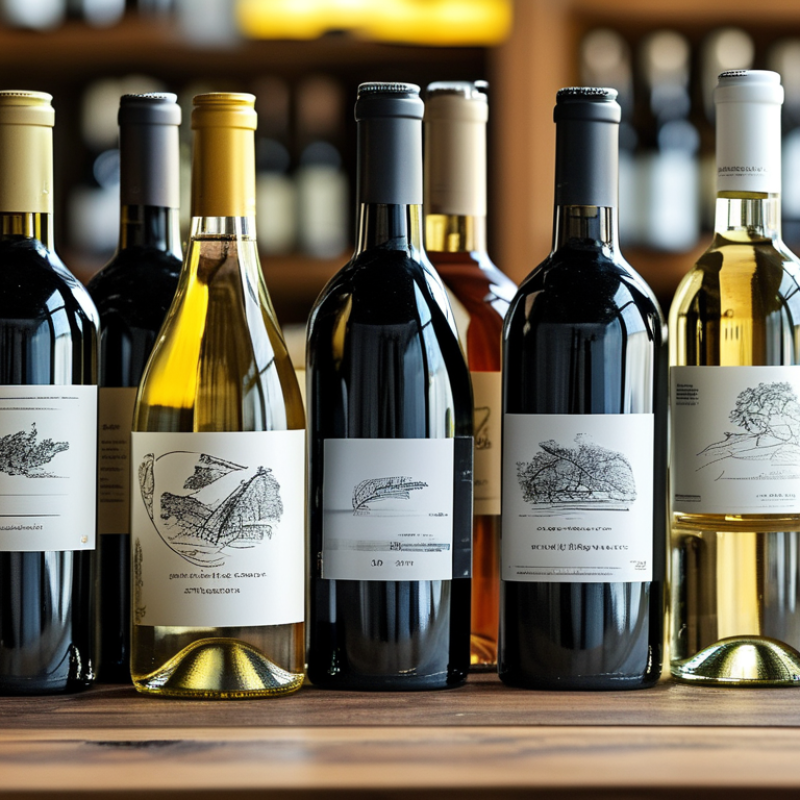
How to Choose the Best Wine Bottles for Your Business?

Understanding Your Target Market for Wine Selection

Understanding your target market is crucial when selecting wine for your business. Start by identifying the preferences of your customers. Are they casual drinkers or connoisseurs? What price ranges do they typically consider? This information helps streamline your selection process.

Demographic factors can greatly influence wine choice. For example, younger consumers may prefer sweeter wines, while older clientele might lean towards full-bodied options. Conducting surveys could provide valuable insights. However, relying solely on trends can be misleading. Taste evolves, and what is popular now may not resonate in the future.

Visiting local wine events can also enhance your understanding of consumer preferences. Engaging with potential customers allows for direct feedback. Sampling different wines can clarify what resonates with your target audience. A well-rounded selection based on these observations can elevate your business. Yet, staying overly fixed on current trends may lead to missed opportunities. Balancing classic options with innovative selections can keep your inventory dynamic and appealing.

Factors to Consider When Choosing Wine Bottles for Business

When selecting wine bottles for your business, several important factors come into play. Consider the bottle shape and size. Standard bottles typically hold 750ml, but other sizes exist. Each shape conveys a unique message about your brand. Taller bottles may suggest elegance, while shorter ones often feel more approachable.

The material is crucial too. Glass is the most common, offering protection and preserving quality. However, eco-friendly alternatives are gaining popularity. Using sustainable materials can enhance your brand's image. The closure type is another consideration. Corks provide a traditional touch, but screw caps are gaining traction for practicality and consistency.

Lastly, ensure your bottles align with your target market's preferences. Research market trends and consumer behavior. Consider how your choices reflect your brand’s story. It's essential to avoid making assumptions. Engaging with your customers can lead to valuable insights. This understanding will ultimately guide you in making informed decisions about your wine bottle selection.

Types of Wine Bottles and Their Suitability for Different Businesses

Choosing the right wine bottles for your business involves understanding different types and their unique characteristics. A recent industry report indicates that 70% of consumers prefer wine from bottles that reflect quality and authenticity. Understanding these variations can guide businesses in selecting bottles that attract customers.

Standard 750ml bottles are the most common choice for restaurants and wine shops. They promote familiarity, making them suitable for a wide audience. However, for specialty wine retailers, larger formats like magnums (1.5L) create a sense of exclusivity. This can captivate collectors and high-end customers, potentially boosting sales.

Tip: Consider your target demographic when selecting bottle sizes. Larger bottles often appeal to celebratory occasions. Conversely, smaller formats serve casual drinkers or gift buyers well. There are also eco-friendly options available. Using lightweight bottles can reduce shipping costs and improve sustainability.

Different styles, such as Bordeaux or Burgundy bottles, also play a role. Bordeaux bottles are universally recognized and versatile, fitting red and white wines alike. Conversely, Burgundy bottles with a wider base are typically associated with premium wines. Understanding these intricacies can improve product placement and customer experience.

Tip: Keep your inventory diverse. Adjust based on customer feedback and sales trends. Test various bottle types to find what resonates most with your clientele. Constantly assess which bottles generate interest and modify your offerings accordingly.

Wine Bottle Types and Their Suitability for Different Businesses

Evaluating Quality and Brand Reputation in Wine Bottles

Evaluating quality and brand reputation in wine bottles is crucial for any business. The wine industry continues to grow, with a reported market value of over $300 billion globally. Data indicates that consumers are increasingly influenced by brand reputation when selecting wines. A wine label with a strong reputation can significantly drive sales.

Quality is essential. Wine consumers often equate craftsmanship with quality. Reports show that 75% of customers prioritize quality over price. Investing in bottles that maintain optimal conditions is vital. Poor quality packaging can compromise the wine's integrity. For instance, bottles with substandard seals can lead to oxidation. This can ruin the flavor and aroma.

Silkscreen printing and premium closure types contribute positively to perception. But not every bottle meets these quality benchmarks. Businesses must vet suppliers thoroughly. Not every well-known brand maintains quality throughout. Transparency in sourcing and production can be a differentiator. Consumers appreciate brands that reveal their processes. Brands perceived as authentic and reliable gain consumer trust. The connection between quality and reputation shapes the buying decision significantly.

Sourcing and Pricing Strategies for Wine Bottles in Retail

When sourcing wine bottles for retail, understanding market trends is crucial. A recent report by IWSR indicates that wine consumption will see a steady growth of 3% annually over the next five years. This uptick means a heightened demand for diverse bottle types and sizes. Retailers must align their inventory with these trends to attract customers effectively.

Pricing strategies depend on various factors, including material, design, and origin. For instance, glass bottles range from $2 to $10 per unit, while eco-friendly options can reach $12 or more. It's essential to evaluate the cost versus perceived value. Consumers are increasingly willing to pay for sustainability, as indicated by Nielsen data showing over 66% prefer brands with eco-friendly practices.

However, not all strategies are effective. Oversaturation of similar bottles can lead to decreased sales. Unique designs may attract attention but often come at a higher upfront cost. Retailers should focus on balancing cost and aesthetics. Seeking feedback from customers can also help in fine-tuning the selection. The goal should be to create a captivating assortment that speaks to consumer preferences while keeping costs in check.

FAQS

: What types of wine bottles are most suitable for restaurants?

: Standard 750ml bottles are common. They promote familiarity and appeal to a wide audience.

How do larger bottle sizes attract customers?

Larger formats like magnums create a sense of exclusivity, appealing to collectors and high-end buyers.

What should businesses consider when selecting bottle sizes?

Consider your target demographic. Larger bottles suit celebrations; smaller ones work for casual drinkers and gifts.

Why is quality important in wine bottles?

Quality affects perception. Poor packaging can compromise the wine's flavor and aroma.

How does brand reputation influence consumer choices?

A strong reputation drives sales. Consumers often prioritize quality over price when selecting wines.

What packaging features enhance wine perception?

Silkscreen printing and premium closures add to quality perceptions but vary by supplier.

How can businesses improve customer experience through bottle selection?

Keep inventory diverse and adjust based on feedback. Test various bottles to find what customers prefer.

Why should businesses vet suppliers?

Not all brands maintain quality. Thorough vetting ensures packaging meets standards and minimizes risks.

What role does transparency play in brand reputation?

Consumers value brands that disclose sourcing and production processes. It builds trust and loyalty.

How often should businesses assess their wine bottle offerings?

Regularly assess inventory based on sales trends and customer interest. Adjust accordingly for optimal results.

Conclusion

Choosing the best wine bottles for your business requires a thorough understanding of your target market, as this will influence your selection significantly. Factors such as customer preferences, price points, and occasions will guide you in selecting the most appealing wine bottles. Additionally, consider the various types of wine bottles available and their suitability for different business settings, whether it’s a restaurant, retail store, or event-based operation.

The quality and brand reputation of wine bottles play a crucial role in establishing trust with your customers. It is essential to evaluate these attributes diligently to ensure you offer products that resonate with your clientele. Lastly, effective sourcing and pricing strategies are fundamental for acquiring wine bottles that not only meet quality standards but also fit within your business’s budget, allowing for competitive pricing in the market. By carefully considering these elements, you can successfully curate a wine selection that enhances your business's reputation and profitability.


Isabella

Isabella

Isabella is a dedicated marketing professional with a sharp focus on driving brand growth and engagement through strategic content creation. With an extensive background in digital marketing, she combines her passion for storytelling with her keen understanding of industry trends to deliver......