Choosing the right Glass Cups for wholesale buying requires more than comparing prices. A practical evaluation starts with use, quality, packaging, and supplier reliability. Cafés may need sturdy tumblers for busy service. Hotels may prefer elegant cups that match table settings. Retailers often need attractive designs with manageable shipping risks.
Capacity and shape affect customer experience. A 350-milliliter cup may suit iced coffee, while a smaller model fits espresso or tasting services. Check the rim carefully. It should feel smooth, even, and comfortable against the lips. Inspect the base for stability, especially when cups will sit on wet counters. Clear glass should look consistent, without obvious bubbles, cloudy areas, or sharp edges.
Durability needs practical testing. Ask suppliers about glass composition, production methods, heat resistance, and recommended use. Request samples before approving a large order. Test stacking, washing, and transport conditions that resemble daily operations. Not every attractive cup performs well under repeated handling. That mistake can become expensive.
Packaging deserves equal attention. Strong dividers, inner boxes, and drop-test evidence may reduce breakage during shipment. Confirm carton dimensions, gross weight, minimum order quantities, and replacement policies in writing. Food-contact documentation should match the destination market and product claims. Reliable suppliers explain these details clearly. Vague answers deserve caution.
Wholesale decisions also depend on consistency. Compare several samples from the same production batch when possible. A supplier may offer an excellent sample, yet struggle with later orders. This possibility is easy to overlook. Review customer feedback, factory experience, lead times, and communication habits before committing. The best choice balances appearance, performance, safety documentation, and total landed cost—not merely the lowest unit price.
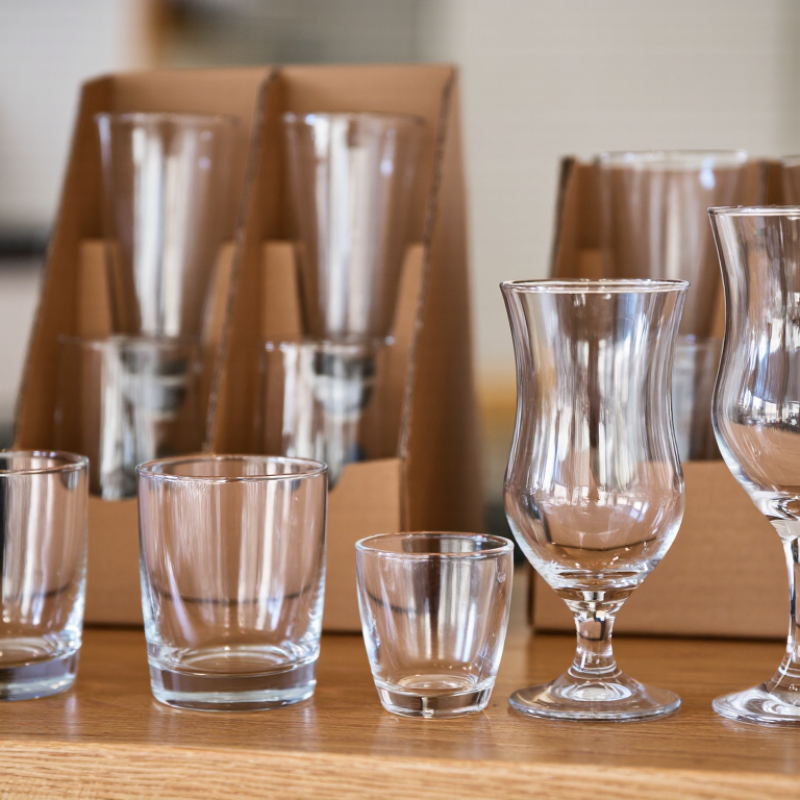
How to Choose the Best Glass Cups for Wholesale Buying
Define Your Wholesale Glass Cup Buying Requirements
A successful wholesale order begins with a written requirement sheet, not attractive product photos. Record capacity, rim diameter, height, weight, shape, color, and intended use. A 250 ml cup suits espresso-based drinks, while a 400 ml model offers more room for iced beverages. Small differences affect carton counts, shipping costs, and shelf presentation.
Grand View Research reported that the global glass tableware market was valued at approximately USD 10.8 billion in 2023. Its forecast also indicates continued growth through 2030. This signals demand, but demand alone does not define a suitable purchase. Ask how many units you need monthly, your acceptable breakage rate, and whether replacement stock is essential. Keep answers measurable. “Premium quality” is too vague.
Specify material composition and food-contact testing requirements for your selling markets. Request test reports covering lead, cadmium, thermal shock, and durability where applicable. Packaging needs equal attention. A practical specification may require six-piece inner boxes, edge protection, drop testing, and pallet moisture control. ASTM and ISO test methods can support consistent supplier comparisons.
My first sourcing sheet was too broad. That mistake created delays. Include a tolerance range for dimensions and weight, but do not excuse visible defects. The Sustainable Packaging Coalition has repeatedly emphasized that packaging design affects material use and transport efficiency. Sometimes, a thinner carton saves cost but increases breakage. Recheck the numbers with sample shipments. Specifications should change when evidence changes.
| Glass Cup Type | Typical Capacity | Common Glass Material | Typical Dimensions | Approx. Product Weight | Recommended Wholesale Use | Typical Order Quantity | Packaging Requirement |
|---|---|---|---|---|---|---|---|
| Straight-Sided Tumbler | 250–350 ml (8.5–12 US fl oz) |
Soda-lime glass | Height: 90–125 mm Diameter: 65–80 mm |
180–320 g | Water, juice, soft drinks, cafés, restaurants | Usually 500–3,000 pieces | Dividers or molded pulp; individual box for premium sales |
| Highball Glass | 300–500 ml (10–17 US fl oz) |
Soda-lime glass; tempered option available | Height: 130–170 mm Diameter: 55–75 mm |
220–400 g | Cocktails, iced beverages, foodservice use | Usually 500–2,000 pieces | Strong carton, cell dividers, and edge protection |
| Rocks / Old-Fashioned Glass | 200–350 ml (6.8–12 US fl oz) |
Thick soda-lime glass | Height: 80–105 mm Diameter: 75–90 mm |
280–500 g | Spirits, cocktails, hotel and bar service | Usually 300–1,500 pieces | Individual compartments recommended because of heavier bases |
| Stemless Wine Glass | 350–550 ml (12–18.6 US fl oz) |
Soda-lime glass or crystal glass | Height: 90–125 mm Diameter: 75–95 mm |
220–380 g | Wine, tasting events, casual dining, home use | Usually 500–2,000 pieces | Molded pulp or full-cell dividers to protect the rim |
| Beer Pint Glass | 470–570 ml (16–19.3 US fl oz) |
Soda-lime glass; tempered option available | Height: 145–170 mm Diameter: 80–90 mm |
300–450 g | Pubs, restaurants, breweries, promotional events | Usually 500–3,000 pieces | Heavy-duty export carton and vertical dividers |
| Double-Wall Glass Cup | 250–400 ml (8.5–13.5 US fl oz) |
Borosilicate glass | Height: 90–140 mm Diameter: 70–90 mm |
180–350 g | Hot and cold drinks, gifting, specialty retail | Usually 300–1,500 pieces | Individual protective boxes; inspect for seal and air-gap defects |
| Espresso / Small Glass Cup | 60–120 ml (2–4 US fl oz) |
Soda-lime or borosilicate glass | Height: 55–85 mm Diameter: 50–70 mm |
70–180 g | Coffee shops, tasting sets, hospitality gift packs | Usually 1,000–5,000 pieces | Small-cell dividers; stackability should be tested before shipment |
| Glass Cup with Handle | 250–450 ml (8.5–15.2 US fl oz) |
Borosilicate or soda-lime glass | Height: 85–125 mm Diameter: 70–90 mm |
180–350 g | Tea, coffee, desserts, cafés, and gift sets | Usually 500–2,000 pieces | Handle protection, molded pulp, and drop-test validation |
Request samples from several production batches. Check each rim for chips, each base for wobbling, and walls for uneven thickness. A showroom sample may hide production problems.
Ask for current food-contact, heavy-metal, and thermal-shock test reports. Verify the documents with an independent testing body when possible. Requirements vary by market.
Request monthly output, furnace capacity, mold numbers, staffing details, and recent delivery records. Ask how peak seasons affect production. Impressive figures may cover several product lines.
A controlled trial shows defect rates, packing accuracy, and delivery consistency. Check replacement handling and quality claims too. Small tests reduce expensive surprises.
Include the unit price, tooling, inspection, export packing, freight, insurance, duty, and local delivery. Divide fixed costs by sellable cups, not ordered cups. Breakage changes the margin.
Request both prices and the assumptions behind them. Verify taxes, destination charges, and delivery responsibilities. A simple-looking quote may hide extra costs.
Compare the MOQ with realistic demand. A 1,000-piece order is risky when expected demand is 600 pieces. Consider mixed colors, but confirm extra mold or carton fees.
Compare ocean, rail, and air using cost per sellable cup. Add carton size, pallet height, gross weight, port delays, and seasonal surcharges. Leave room for delays.
Store quotations, test reports, packing photos, invoices, and delivery records together. Review the final calculation twice. It may still be wrong.
Choosing the best Glass Cups for wholesale buying starts with clearly defining your business requirements, including the intended use, target customers, preferred capacity, style, materials, and expected order volume. Compare different glass types, designs, sizes, and functional features such as durability, heat resistance, stackability, and ease of cleaning. These factors should match your market positioning and practical usage needs.
When evaluating suppliers, review their quality control systems, safety standards, production capacity, lead times, and communication efficiency. Calculate the complete purchasing cost by considering unit pricing, minimum order quantities, shipping fees, import charges, and other related expenses. Before placing a large order, verify product samples and confirm customization options, labeling, protective packaging, and after-sales support. A reliable supplier should provide consistent quality, clear specifications, secure packaging, and responsive assistance, helping you reduce purchasing risks and build a stable wholesale supply process.

 Hengsheng