Choosing the right Glass Mugs can influence how customers experience your brand. The shape, weight, clarity, and durability all communicate quality before the first sip. A café may need stackable mugs for busy morning service. A hotel may prefer elegant designs that suit quiet afternoon meetings. Office suppliers often value dependable replacement options and consistent sizing.
Start with the drink menu and daily operating conditions. Thick glass may retain warmth and withstand frequent handling. A comfortable handle can reduce spills during rushed service. Check whether each mug is suitable for hot beverages and commercial dishwashers. Ask suppliers for material details, product testing information, and care instructions. Reliable documentation matters more than attractive product photography.
Think about capacity carefully. A 250-milliliter mug may suit espresso drinks, while larger models support tea or iced beverages. Rim thickness also affects drinking comfort and perceived craftsmanship. Clear glass can showcase layered drinks, but fingerprints may appear quickly. That means cleaning routines deserve attention. Small details become visible.
Cost should include breakage, storage space, freight, and replacement availability. The cheapest option may create higher expenses later. However, premium pricing does not always guarantee better performance. Samples should be tested in real service before placing a large order. Compare several mugs under heat, washing, stacking, and repeated handling. Record the results honestly, including weaknesses.
There is no perfect choice.
The best Glass Mugs balance appearance, safety, usability, and long-term value. Supplier communication also reveals professionalism. Clear answers, stable lead times, and transparent specifications support a more reliable purchasing decision. Reconsider assumptions when actual staff feedback differs from the original plan. That practical review often leads to a stronger final selection.
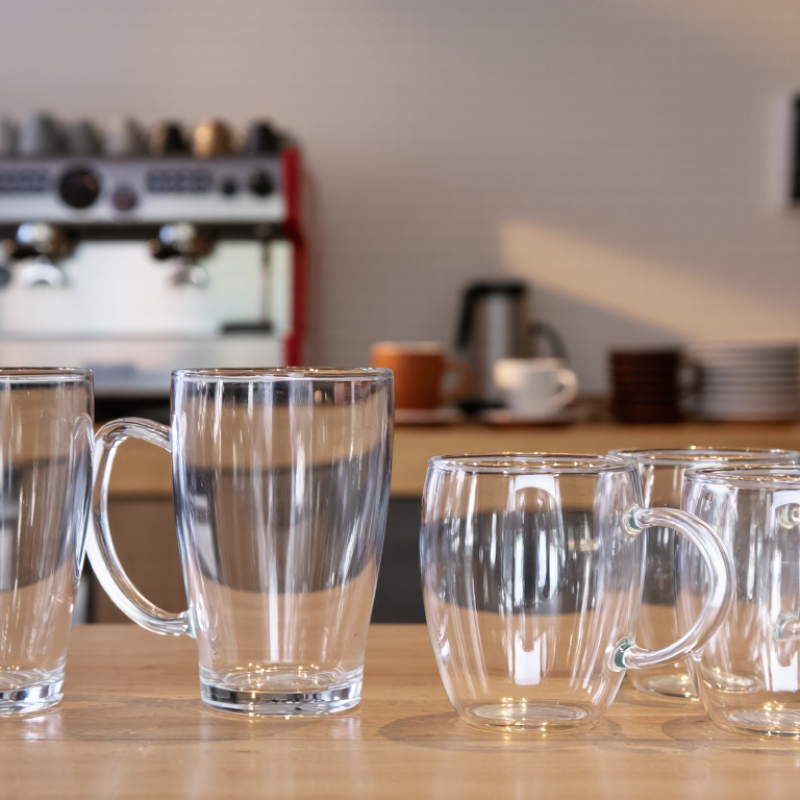
Before choosing glass mugs, define how your business will use them each day. A café serving hot tea needs strong heat resistance and comfortable handles. An office pantry may need stackable mugs that save shelf space. For outdoor events, lighter designs can reduce handling problems. Record your serving size, drink temperature, storage area, and expected daily volume.
Inspect the glass carefully. Look for even thickness, smooth rims, stable bases, and clear capacity markings. Tempered glass can improve durability, but it still needs sensible handling. Ask suppliers about dishwasher performance, replacement availability, and product testing. In my experience, a beautiful mug can fail commercially when its handle feels weak after repeated washing. That detail is easy to miss. It should not be.
Tips: Test a small sample before placing a large order. Fill each mug with the drinks you actually serve. Check heat comfort after five minutes. Measure how many mugs fit on one shelf. Let staff handle them during a busy service simulation. Their feedback may reveal practical issues that specifications overlook. Keep a simple inspection record, including delivery dates, damaged units, and cleaning results. This creates reliable evidence for future purchasing decisions. Also, review your requirements seasonally. A summer cold-drink menu may expose weaknesses that winter service never showed.
Choosing the best glass mugs for your business starts with comparing glass types, shapes, sizes, and capacities. Each choice affects comfort, durability, presentation, and serving speed.
Borosilicate glass handles temperature changes better than ordinary soda-lime glass. It suits businesses serving hot coffee, tea, or chilled drinks. Tempered glass offers stronger resistance to daily impacts, but it can still break under severe thermal shock. Clear glass creates a clean, premium appearance. Double-wall glass keeps drinks warmer and protects hands, although it may cost more and require careful storage.
Shape changes the customer’s experience. A wide mug supports lattes, foam, and easy cleaning. A tall, narrow mug suits layered drinks but may feel less stable on busy tables. Small 180–250 ml mugs work well for espresso-based servings. Medium 300–350 ml sizes fit standard coffee orders. Larger 400–500 ml mugs suit iced drinks, but they need more shelf space and may increase beverage waste. There is no perfect size. A beautiful mug can still be impractical during a crowded service.
Tips: Test samples with hot and cold drinks before ordering. Check handle comfort, rim thickness, stackability, and dishwasher performance. Measure your shelves and trays. Review breakage records after a trial period, because assumptions often fail in real service.
| Glass Type | Common Shape | Typical Capacity | Best Beverage Applications | Key Advantages | Important Considerations | Dishwasher Suitability | Commercial Selection Score |
|---|---|---|---|---|---|---|---|
| Borosilicate Glass | Straight-sided, double-wall, or gently tapered | 250–450 ml (8.5–15.2 oz) |
Hot tea, coffee, herbal infusions, pour-over coffee, and layered drinks | Low thermal expansion, lightweight construction, clear appearance, and good resistance to temperature changes | Still vulnerable to impact and sudden extreme temperature changes; check the manufacturer’s care instructions | Usually suitable when marked dishwasher-safe; hand washing may help preserve printed details | ★★★★★ |
| Tempered Soda-Lime Glass | Classic cylindrical mug with handle | 300–500 ml (10.1–16.9 oz) |
Everyday coffee, tea, hot chocolate, iced drinks, and general café service | Good strength for routine commercial use, widely available, and generally cost-effective | Thermal shock resistance depends on the tempering process; avoid moving a hot mug directly onto a cold or wet surface | Commonly dishwasher-safe, subject to the product specification | ★★★★★ |
| Lead-Free Crystal Glass | Refined rounded or faceted mug | 250–400 ml (8.5–13.5 oz) |
Premium coffee, specialty tea, tasting menus, and upscale hospitality service | High clarity, elegant appearance, and a refined presentation suitable for premium settings | Often thinner and more expensive than standard glass; inspect for chips and scratches regularly | Some products are dishwasher-safe, but gentle cycles and careful loading are recommended | ★★★★☆ |
| Double-Wall Glass | Insulated cylindrical, rounded, or tapered form | 250–400 ml (8.5–13.5 oz) |
Hot coffee, tea, espresso-based drinks, cold brew, and iced beverages | Helps reduce heat transfer to the hand, limits exterior condensation, and highlights layered beverages | Typically costs more; the sealed construction can be damaged by severe impact or improper care | Only use a dishwasher when the product is specifically labeled dishwasher-safe | ★★★★☆ |
| Heat-Resistant Glass | Wide-mouth cup, handled tumbler, or classic mug | 200–350 ml (6.8–11.8 oz) |
Espresso, tea, hot chocolate, mulled drinks, and small specialty beverages | Designed for hot beverage service and provides a clear view of the drink’s color and texture | “Heat-resistant” does not mean unbreakable; confirm the recommended temperature range before use | Often dishwasher-safe, but thermal shock should still be avoided | ★★★★☆ |
| Recycled Glass | Thick-walled tumbler or rustic handled mug | 250–450 ml (8.5–15.2 oz) |
Water, iced tea, juice, cold brew, casual coffee, and sustainability-focused service | Distinctive texture, lower reliance on virgin raw materials, and strong visual appeal for casual concepts | Color and surface texture may vary; thermal performance and durability differ by manufacturing process | Frequently dishwasher-safe, but verify the specific product rating | ★★★★☆ |
| Thick-Walled Glass | Stackable straight-sided or diner-style mug | 300–500 ml (10.1–16.9 oz) |
High-volume coffee service, breakfast venues, canteens, and casual dining | Stable on tables, suitable for frequent handling, and generally more forgiving in busy service environments | Heavier to carry and may require more storage space; thickness does not eliminate breakage risk | Usually suitable for commercial dishwashers when specified by the manufacturer | ★★★★★ |
| Thin-Walled Glass | Elegant tapered, tulip, or rounded silhouette | 180–300 ml (6.1–10.1 oz) |
Espresso, small cappuccino, specialty tea, and presentation-focused service | Lightweight feel, attractive rim profile, and a polished presentation for premium beverages | More susceptible to chips and impact; best suited to controlled service and careful handling | Use only if the product is rated for dishwasher cleaning; gentle handling is advised | ★★★☆☆ |
| Stackable Glass Mug | Vertical-sided mug with compact handle | 250–400 ml (8.5–13.5 oz) |
Cafés, restaurants, offices, catering operations, and space-limited storage areas | Efficient storage, consistent portioning, and easy inventory organization | Stacking should be designed into the product; excessive stacking can increase chipping and handling damage | Usually dishwasher-safe when commercially specified | ★★★★★ |
Choosing glass mugs for a business requires more than checking appearance. Durability affects replacement costs, service speed, and staff safety. The FDA Food Code 2022 requires food-contact surfaces to be smooth, easily cleanable, durable, and resistant to damage. Look for even rims, stable handles, and walls without bubbles, sharp edges, or visible stress marks. Tempered or borosilicate glass may tolerate temperature changes better, but neither option is unbreakable.
Safety must include heat, cleaning, and chemical contact. The World Health Organization estimates that contaminated food causes about 600 million illnesses and 420,000 deaths worldwide each year. Mugs do not cause all such events, but poor cleaning can support broader hygiene risks. Confirm that the glass is intended for food contact. Request supplier documentation for material composition, thermal limits, and dishwasher testing. A mug that survives one hot drink may still fail after repeated heating and cooling.
Tips: Test samples in real service conditions. Run repeated dishwasher cycles, pour hot water into room-temperature mugs, and inspect handles afterward. Keep separate records for chips, cracks, and stains. Do not assume heavier means stronger; thick glass can retain heat and surprise users. Our testing may also be imperfect, especially when staff handle mugs differently. Recheck performance after several weeks of daily use, not only during a short trial.
Compare common glass types across durability, safety, and daily operating performance. Scores use a practical 1–5 procurement scale, where 5 represents the strongest suitability for frequent commercial use.
Borosilicate glass generally offers the lowest thermal expansion among the options shown, while tempered soda-lime glass provides improved impact resistance compared with standard soda-lime glass. Always verify supplier specifications, temperature limits, and relevant food-contact requirements before purchasing.
Choosing glass mugs for business requires more than checking capacity and price. Branding must remain visible after washing, stacking, and daily handling.
A 2024 Glass Tableware Market analysis by Mordor Intelligence estimates the sector will continue growing through 2029. That growth increases design competition. Your mug should be recognizable without looking crowded.
Start with the drinking experience.
A thick, rounded rim can feel comfortable, while a narrow handle may frustrate larger hands. Test the mug with hot coffee, iced drinks, and one-handed carrying.
For customization, compare screen printing, ceramic decals, laser engraving, and colored glass. Each method changes durability, cost, and visual impact. A single-color mark may look cleaner than a detailed illustration.
However, transparent designs can disappear against dark beverages. I have seen attractive samples fail in real cafés because the logo sat beneath the customer’s hand.
Tips:
Order physical samples. Check the logo from three angles. Wash them repeatedly. Ask for measured color tolerances and food-contact documentation.
The International Organization for Standardization’s ISO 7086 guidance covers safety requirements for glass tableware, so suppliers should provide relevant compliance evidence.
Consider a 250–350 ml size for standard servings, but do not assume one volume fits every menu.
Matte finishes feel premium, yet they may reveal fingerprints. Glossy surfaces photograph better, but scratches can become obvious.
A perfect design on paper is not always practical. That is worth testing.
Choosing the best glass mug starts with total cost, not the catalog price. In a pilot order, a $3.20 mug can reach $4.10 after freight, protective packaging, inspection, and expected breakage. Calculate the landed cost per usable mug. Include samples, tooling, customs, storage, and replacement stock. Small details matter.
Supplier reliability affects long-term value. Request material specifications, food-contact test documents, production photos, and a recent batch sample. Check wall thickness, handle strength, rim smoothness, dishwasher resistance, and carton performance. A supplier offering the lowest quote may require a higher minimum order. That can trap cash in slow-moving inventory. My early costing mistake was ignoring warehouse space and damaged cartons. Recheck the assumptions.
Durability also carries measurable environmental value. The U.S. EPA’s Advancing Sustainable Materials Management: 2018 Fact and Figures reported 3.8 million tons of glass containers were recycled, representing a 31.3% recycling rate. Recycling does not erase transport or manufacturing costs, but reusable mugs can reduce disposable purchasing when breakage stays controlled. Compare suppliers using a three-year model: purchase cost, freight, breakage rate, washing cost, labor, and replacement frequency. A 2% breakage rate may look harmless, yet it becomes 200 lost mugs in a 10,000-unit operation. Ask for stronger packaging, but test it yourself. Supplier claims need evidence.
Record drink sizes, temperatures, daily volume, storage space, and cleaning methods. A hot-tea café needs heat resistance and comfortable handles. An office pantry may prioritize stackability. Outdoor events may need lighter mugs. Keep the requirements practical.
Heat-resistant glass handles temperature changes better than ordinary glass. Tempered glass resists daily impacts, but sudden thermal shock can still break it. Double-wall designs protect hands and retain warmth. They may cost more and need careful storage.
Small 180–250 ml mugs suit espresso-based drinks. Medium 300–350 ml mugs fit many standard coffee servings. Larger 400–500 ml mugs work for iced drinks. Larger mugs also consume more shelf space and may increase beverage waste.
Check even glass thickness, smooth rims, stable bases, and clear capacity marks. Test the handle with one hand. Fill the mug with a real drink. After five minutes, check whether the outside feels comfortable.
Order a small sample first. Use the drinks served every day. Let staff carry mugs during a busy service simulation. Measure shelf and tray capacity. Record breakage, washing results, and damaged deliveries.
Wide mugs support foam drinks and simplify cleaning. Tall, narrow mugs suit layered beverages but may feel unstable on crowded tables. Thick, rounded rims can feel comfortable. Narrow handles may frustrate larger hands. Small details matter.
Check whether the design remains visible after washing, stacking, and handling. View the mug from three angles. A mark beneath the customer’s hand may disappear. Transparent designs can fade against dark drinks. Physical samples reveal problems sooner.
Glossy surfaces photograph well but can show scratches. Matte finishes feel refined but may reveal fingerprints. Compare printing, decals, engraving, and colored glass carefully. Request food-contact documents and measured color tolerances. A beautiful sample can still fail in daily service.
Choosing the best Glass Mugs for your business starts with clearly defining your practical needs, including the intended beverages, serving environment, customer expectations, and daily volume. Compare different glass types, shapes, sizes, and capacities to find options that support both presentation and functionality. Consider whether the mugs provide the right balance of visual appeal, comfortable handling, heat resistance, and suitability for repeated use.
Durability and safety are essential for reducing breakage and maintaining reliable daily performance. You should also review branding and customization possibilities, such as colors, printing, shapes, or packaging, while ensuring the design matches your business identity. Finally, evaluate total costs, supplier reliability, order quantities, replacement needs, and delivery arrangements rather than focusing only on the initial price. A well-chosen product should offer long-term value by combining quality, customer appeal, operational efficiency, and a practical return on investment.

Hengsheng