What Is a Glass Soda Bottle and How Is It Used?

Time:2026-09-14 Author:Madeline
0%

A Glass Soda Bottle is a rigid container designed to hold carbonated beverages under pressure. It usually combines silica-based glass, a narrow neck, and a sealed crown cap or screw closure. The thick base helps it stand securely. The smooth inner surface also protects flavor from many chemical interactions.

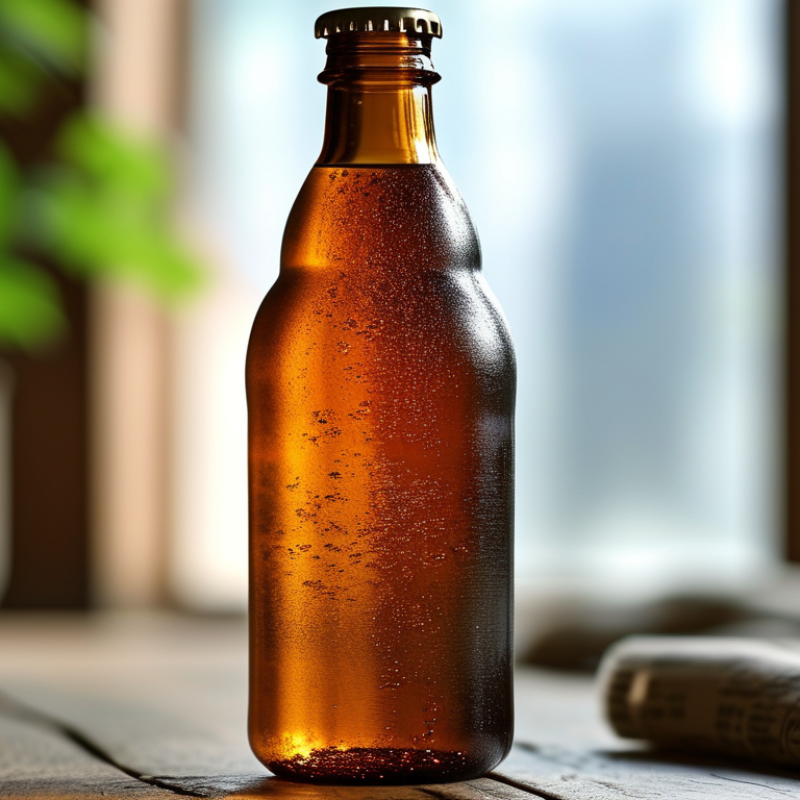
In practical use, the bottle must resist internal pressure, temperature changes, and repeated handling. Amber glass can limit light exposure, while clear glass makes color visible. On a cold bottle, condensation gathers around the label and makes the surface slippery. That small detail affects transport, storage, and customer experience. O-I Glass explains in its sustainability reporting that glass packaging can be recycled repeatedly when collection and processing systems work effectively. The Glass Packaging Institute also describes glass as a permanent packaging material because it does not lose its basic quality during recycling.

Yet the picture is not perfect. Glass is heavier than many plastic alternatives. Transporting a full case may require more fuel and stronger cartons. The U.S. Environmental Protection Agency’s materials data also shows that glass container recycling remains far below total consumption, proving that recyclability does not guarantee recovery. This gap deserves attention.

A Glass Soda Bottle is therefore more than a nostalgic package. It is a carefully engineered system involving pressure resistance, closure design, logistics, branding, and recycling infrastructure. This guide examines what it is, how manufacturers use it, and where its practical limitations appear. Some conclusions depend on local collection systems. That uncertainty matters.
What Is a Glass Soda Bottle and How Is It Used?

Definition and Main Features of a Glass Soda Bottle

What Is a Glass Soda Bottle and How Is It Used?

A glass soda bottle is a rigid container designed to hold carbonated drinks. Its main feature is a strong glass body that withstands internal pressure. The material is nonporous, so it does not easily absorb flavors or odors. It also lets users see the drink clearly. Many bottles have thick walls, a narrow neck, and a reinforced base. These details improve stability and help reduce stress during filling, transport, and serving. It feels solid. However, glass is heavier than plastic and can break if dropped. That weakness should not be ignored.

Glass soda bottles are commonly filled in controlled facilities, then sealed with a compatible cap. The closure must fit tightly to retain carbonation and prevent leakage. During use, the bottle may be chilled, opened, poured, or served directly. Its smooth surface is easy to clean when the bottle is designed for reuse. Still, repeated handling requires careful inspection for chips, cracks, or deep scratches. Small details matter. A damaged bottle should not be used for carbonated beverages.

Tips: Keep bottles upright during storage and avoid sudden temperature changes. Do not place a cold glass bottle on a very hot surface. Check the rim before drinking, especially after transport. If the bottle feels unusually light, cracked, or unstable, replace it. Glass can preserve flavor well, but safe handling remains essential.

What Is a Glass Soda Bottle and How Is It Used?

A glass soda bottle is a rigid container made from glass for storing and serving carbonated beverages. Glass provides a strong barrier against gases and moisture, does not absorb flavors, and can be recycled repeatedly. The chart shows common nominal fill-volume formats used for glass soda bottles.

How it is used: The bottle is filled with carbonated soda, sealed with a pressure-resistant closure, transported, chilled, and opened for direct serving or pouring.

How Glass Soda Bottles Are Manufactured

What Is a Glass Soda Bottle and How Is It Used?

A glass soda bottle is a pressure-resistant container designed to hold carbonated drinks. Its smooth surface protects flavor and prevents unwanted chemical interaction. The bottle also blocks many odors, making it suitable for repeated filling and household recycling. Manufacturing begins with silica sand, soda ash, limestone, and carefully selected recycled glass. Recycled pieces, called cullet, lower melting demand and reduce raw material waste.

The ingredients are mixed and heated in a furnace at roughly 1,500°C. The molten glass flows into measured portions called gobs. Each gob enters a mold, where compressed air forms the bottle’s body and narrow neck. The finish around the opening needs precise dimensions. Otherwise, a cap may leak or fit unevenly. After molding, bottles pass through an annealing lehr. Controlled cooling removes internal stress and improves durability.

Inspection systems check wall thickness, weight, cracks, and mouth dimensions. Some facilities also test pressure resistance before bottles reach a filling line. The bottles are washed, filled, capped, labeled, and packed for transport. Glass can feel heavy, though that weight often gives the bottle a stable grip. Still, the process is not perfectly efficient. Furnace energy remains substantial, and damaged bottles may be rejected during inspection. Careful design must balance strength, material use, and safe handling.

What Is a Glass Soda Bottle and How Is It Used? - How Glass Soda Bottles Are Manufactured
Category Data Dimension Typical Data or Range Unit Practical Significance
Definition Container type Rigid, non-porous soda-lime glass bottle Description Used to hold carbonated soft drinks while protecting the liquid from moisture, oxygen, and outside odors.
Material Silicon dioxide content Approximately 69–74 % by mass The primary glass-forming component that provides structural rigidity and chemical stability.
Material Sodium oxide content Approximately 12–16 % by mass Acts as a flux, helping the raw materials melt at a lower temperature than pure silica.
Material Calcium oxide content Approximately 5–12 % by mass Improves the durability and chemical resistance of the finished glass.
Material Recycled glass content Varies by plant, color, and available cullet supply Percentage Clean, sorted recycled glass can be remelted as cullet and used as part of the raw-material batch.
Bottle design Common nominal capacity 200, 250, 330, 500, and 750 mL The selected capacity depends on serving size, package format, transport requirements, and filling equipment.
Bottle design Main functional features Body, shoulder, neck, finish, base, and closure interface Components Each area supports filling, sealing, handling, pressure resistance, labeling, and stable standing.
Manufacturing Raw-material preparation Batch materials are weighed, mixed, and combined with suitable cullet Process step Consistent batching helps control glass composition, color, viscosity, and product quality.
Manufacturing Glass melting temperature Approximately 1,400–1,600 °C The batch must be melted and refined so that bubbles and unmelted particles are reduced before forming.
Manufacturing Gob formation A measured portion of molten glass is cut into a gob Process step Gob weight determines the amount of glass available to form one bottle.
Manufacturing Forming method Press-and-blow or blow-and-blow forming Methods Compressed air and molds shape the hot gob into the bottle’s neck, body, shoulders, and base.
Manufacturing Annealing temperature range Approximately 500–600 °C Controlled cooling in an annealing lehr reduces internal stress and lowers the risk of cracking.
Quality control Typical inspection points Dimensions, weight, wall distribution, cracks, bubbles, finish, and pressure performance Checks Inspection verifies that the bottle is suitable for filling, closure application, transport, and consumer use.
Use Product protection Excellent barrier against moisture, oxygen, and odor transfer Performance Glass helps preserve the taste and carbonation of the beverage when the bottle is properly sealed.
Use Temperature limitation Avoid sudden temperature changes unless the bottle is specifically designed for thermal shock Safety guidance Rapid heating or cooling can create thermal stress and may cause glass breakage.
End of life Recyclability Can be recycled repeatedly when collected and processed correctly Material property Recycling reduces the need for virgin raw materials, although local collection and sorting systems determine actual recovery.
End of life Reusable-bottle requirement Requires a dedicated return, washing, inspection, and refill system System requirement A bottle is not automatically reusable simply because it is made of glass; it must be designed and managed for repeated filling.

Common Shapes, Sizes, and Closure Types

What Is a Glass Soda Bottle and How Is It Used?

A glass soda bottle stores carbonated drinks in a rigid, non-reactive container. Its smooth surface helps preserve flavor and prevents unwanted odors from entering. Glass also gives the drink a clear, crisp appearance. It is widely used for sparkling water, soft drinks, craft beverages, and small-batch products.

Common bottle shapes include straight-sided, round, and contoured designs. Straight-sided bottles are simple to label and stack. Round bottles are easy to clean, but they may roll during transport. Contoured shapes can improve grip and visual appeal.

Typical sizes range from 200 milliliters to 1 liter. Smaller bottles suit individual servings, while larger bottles support sharing. The best size depends on carbonation pressure, serving habits, and storage space. A beautiful shape is not always practical.

Closure types affect freshness and convenience.

Crown caps provide a tight seal and suit many single-use bottles. Screw caps allow repeated opening and closing. Swing-top closures create a distinctive appearance and can support reuse when properly inspected. However, every closure must match the bottle finish and pressure requirements. A poor match may cause leakage or loss of carbonation.

Tips: Check the neck finish before ordering caps. Inspect bottles for chips, cracks, and uneven rims. Leave suitable headspace for carbonated drinks. Test filled samples under controlled conditions. Reuse sounds sustainable, but cleaning and inspection require real effort.

How Glass Soda Bottles Are Used and Reused

A glass soda bottle is a rigid container made from silica, soda ash, and limestone. Its smooth wall protects carbonation and reduces flavor transfer during storage. In daily use, people drink from it, return it, or place it in a glass collection bin. The next step depends on local infrastructure. FEVE’s 2023 industry data summary reports an EU glass-packaging recycling rate above 80 percent. The U.S. EPA’s 2020 Facts and Figures report, using 2018 data, recorded a 31.3 percent recycling rate for glass containers.

Refillable bottles follow a different path. They are collected, inspected, washed, refilled, and redistributed. Not automatically greener. Washing requires heat, water, and detergents. Research reviewed by the European Environment Agency indicates that reuse works best with short transport distances and repeated refill cycles. A bottle traveling hundreds of kilometers may lose some environmental advantages. That detail is easy to overlook.

Small handling choices also matter. A chipped bottle should not be refilled. It should enter the cullet stream for remelting. Caps, labels, and damaged pieces need separate treatment in many facilities. The Glass Packaging Institute states that container glass can be recycled repeatedly without losing its basic quality. Still, collection systems are imperfect. Dirty glass, ceramic fragments, and mixed colors can reduce processing efficiency. A practical habit helps: empty the bottle, keep foreign materials out, and follow local sorting guidance.

Benefits, Limitations, and Recycling Considerations

A glass soda bottle is a rigid container made from silica, soda ash, and limestone. It protects carbonated drinks from oxygen, moisture, and flavor transfer. Its smooth surface also supports easy washing and repeated use. In practice, a cold bottle feels heavier and more fragile than plastic. That difference affects transport, storage, and handling.

Glass offers strong quality benefits. It is chemically stable, widely recyclable, and can return to a furnace as cullet. The Glass Packaging Institute reports that adding 10% recycled glass can reduce furnace energy use by about 2–3%. The benefit is meaningful, but collection quality matters. Mixed colors, food residue, ceramics, and stones can weaken the recycled stream. One dirty bottle may affect an entire batch. That part is often underestimated.

The main limitation is weight. A glass container usually needs more transport energy than a lighter package. Breakage creates safety risks and product loss. Recycling performance also varies sharply by region. The U.S. Environmental Protection Agency reported a 31.3% recycling rate for glass containers in its 2018 Advancing Sustainable Materials Management report. Eurostat reported a glass packaging recycling rate of about 74% in the European Union in 2022. These figures are not directly comparable, but they reveal an uncomfortable gap. A bottle labeled recyclable is not automatically recycled. Local collection, sorting, and nearby processing determine the real result. A practical improvement is simple: empty the bottle, remove obvious contamination, and follow local recycling instructions.

FAQS

What is a glass soda bottle made for?

It holds carbonated drinks under internal pressure. Its rigid walls protect flavor and let you see the drink clearly. It feels solid.

Why does glass preserve a drink’s flavor?

Glass is nonporous, so it does not easily absorb odors or flavors. The smooth surface also limits flavor transfer during storage. Taste can still change after opening.

Why do these bottles have thick walls and reinforced bases?

Thick walls help withstand pressure during filling and transport. A reinforced base improves stability on shelves and tables. The narrow neck supports controlled pouring.

How should a glass soda bottle be stored safely?

Keep it upright in a cool, stable place. Avoid sudden temperature changes and hot surfaces. A cold bottle on a hot counter can crack.

What should I check before drinking from the bottle?

Inspect the rim, body, and base for chips, cracks, or deep scratches. Replace any bottle that feels unstable or unusually light. Do not take chances.

Can a glass soda bottle be reused?

A suitable bottle may be collected, inspected, washed, refilled, and redistributed. Reuse requires repeated checks and proper cleaning. A chipped bottle should never be refilled.

Is reusing a bottle always better for the environment?

Not automatically greener. Washing uses heat, water, and detergents. Reuse often works better with short transport distances and many refill cycles.

How should an unwanted glass soda bottle be recycled?

Empty it and keep foreign materials outside the container. Follow local sorting instructions for caps, labels, colors, and broken pieces. Collection systems are imperfect.

What happens to a damaged glass bottle?

It should not hold carbonated drinks again. It can usually enter a glass recycling stream for remelting. Ceramic fragments and mixed materials may reduce processing efficiency.

Conclusion

A Glass Soda Bottle is a reusable container made primarily from durable, nonporous glass and designed to hold carbonated beverages. It protects flavor, resists absorbing odors, and provides a clear or colored surface for presentation. Glass soda bottles are manufactured by melting carefully selected raw materials, forming the hot glass in molds, and then cooling it gradually through a controlled process to improve strength. Quality checks may examine the bottle’s shape, thickness, finish, and resistance to pressure.

These bottles are available in straight, curved, short, or narrow-necked designs, with sizes ranging from individual servings to larger household containers. Common closures include screw caps, crown-style caps, and reusable swing-top systems. A Glass Soda Bottle can be used for serving soda and other cold drinks, then washed and refilled when its condition allows. Its advantages include recyclability, taste preservation, and long-term reuse, while its main limitations are weight and breakability. Proper handling, cleaning, and sorting help extend its life and support efficient glass recycling.


Madeline

Madeline

Madeline is a dedicated marketing professional with a wealth of expertise in our company's core offerings. With a keen understanding of the industry, she brings a unique perspective to her role, consistently delivering high-quality content that highlights the superior aspects of our products. As......