In the ever-evolving beverage industry, "Green Beer Bottles" are capturing attention. An expert in sustainable packaging, Dr. Emily Waters, stated, “Eco-friendly packaging isn’t just a trend; it’s a necessity.” This insight highlights the urgent call for innovation in bottle manufacturing.
Many breweries are adopting green solutions. They use materials that are recyclable and biodegradable. Brands are exploring plant-based plastics or returning to glass bottles with minimal environmental impact. These efforts not only reduce waste but also resonate with eco-conscious consumers.
However, challenges remain. Some companies struggle to balance cost and sustainability. The shift can be daunting. Quality and safety must not be compromised. Brands need to reflect on their choices and consider long-term environmental implications. Green Beer Bottles are more than just packaging; they represent a commitment to a sustainable future.
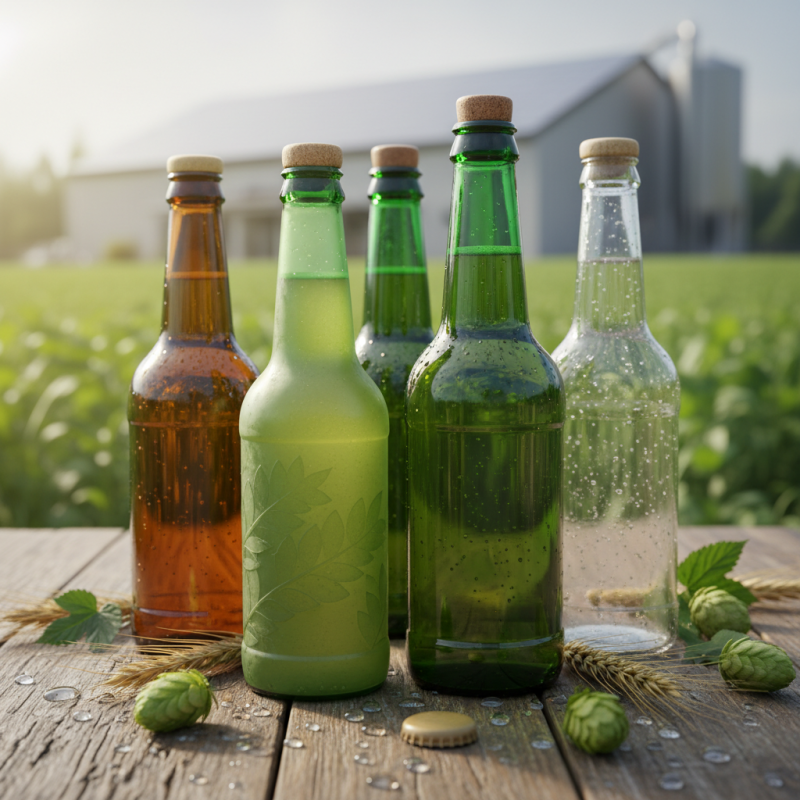
Eco-friendly packaging plays a crucial role in the beer industry. Traditional glass bottles generally contribute to significant waste. However, various innovative materials are emerging. A report from the International Journal of Life Cycle Assessment highlights that recycled glass reduces greenhouse gas emissions by up to 30%. Using recycled materials also conserves raw resources, aligning with sustainability goals.
Notably, alternative materials like bioplastics and aluminum are gaining traction. Bioplastics, derived from renewable sources, can reduce dependence on fossil fuels. They can decompose within months, rather than years. Meanwhile, aluminum bottles are lightweight and infinitely recyclable. Research from the Aluminum Association indicates that recycling aluminum saves 95% of the energy compared to producing new aluminum.
Despite these advancements, challenges remain. Bioplastics may not yet be widely accepted in many recycling programs. Their processing requires specialized facilities. Additionally, the initial production costs can be higher than conventional glass. This presents a barrier for many breweries looking to switch to eco-friendly options. While progress is commendable, the industry must continue to address these hurdles for widespread adoption.
| Material | Recyclability | Weight (grams) | Benefits | CO2 Emissions (kg/ton) |
|---|---|---|---|---|
| Recycled Glass | Yes | 350 | Sustainable, easily recyclable | 100 |
| Plant-Based Plastics | Yes | 250 | Biodegradable, derived from renewable resources | 300 |
| Aluminum | Yes | 150 | Lightweight, highly recyclable | 500 |
| Cardboard | Yes | 100 | Biodegradable, can be recycled multiple times | 50 |
| Bio-Based PET | Yes | 200 | Made from renewable resources, recyclable | 200 |
: Recycled bottles come from processed and repurposed materials. They reduce the need for virgin resources.
Biodegradable bottles decompose into organic matter over time. They require the right conditions to break down effectively.
No, not all biodegradable products break down at the same rate. Some require specific industrial composting facilities.
It drives demand for eco-friendly products and practices. Educated consumers can make better choices.
Look for clear recycling symbols. Be cautious of misleading claims from brands.
Ask about packaging materials. Support local businesses and educate others about sustainability.
Innovations include lighter bottles and plant-based plastics. Refillable containers are also gaining popularity.
Minimalist designs reduce material use, leading to lower costs and environmental impact.
No, not all prioritize eco-friendly choices. Education efforts are vital to raise awareness.
No, perfection is often unattainable. Every positive change, no matter how small, contributes to sustainability.
The article "Top Green Beer Bottles for Eco Friendly Packaging Solutions" explores various aspects of sustainable packaging in the beer industry. It discusses top eco-friendly beer bottle materials, highlighting the benefits of using recycled and biodegradable options. Innovative designs in green beer bottle packaging are presented, demonstrating how creativity can enhance both environmental benefits and consumer appeal. A comparative analysis sheds light on the effectiveness of recycled versus biodegradable bottles, emphasizing the importance of making informed choices in sustainable packaging.
Furthermore, the article underscores the role of consumer awareness in encouraging eco-friendly practices among manufacturers. As consumers become more knowledgeable about sustainable options, they drive demand for green beer bottles, pushing the industry towards innovative and environmentally responsible solutions. Lastly, the discussion on future trends in eco-friendly beer packaging illustrates a promising shift towards more sustainable practices, reflecting a growing commitment to environmental stewardship within the brewing community.

 Hengsheng