In recent years, the demand for empty glass bottles has surged. This trend reflects a growing consumer preference for sustainable packaging and craft materials. According to a report by the Glass Packaging Institute, the glass bottle market is expected to grow by 4% annually. Such a rise highlights the importance of sourcing quality empty glass bottles.
Industry expert Dr. Emily Stone, a leading authority on sustainable packaging, states, "Empty glass bottles are not just containers; they are symbols of an environmentally friendly future." Her insights emphasize the potential of repurposing these bottles for crafts and packaging. However, sourcing them can be challenging.
Many businesses and artisans struggle to find reliable suppliers. Local recycling centers, online marketplaces, and glass manufacturers are potential sources. Yet, the quality varies significantly. Attention to detail is crucial when selecting bottles. Buyers must consider shape, size, and clarity. This process may require patience and effort, reflecting the need for careful planning in crafting and packaging projects. In the end, sourcing the right empty glass bottles can make a significant difference.
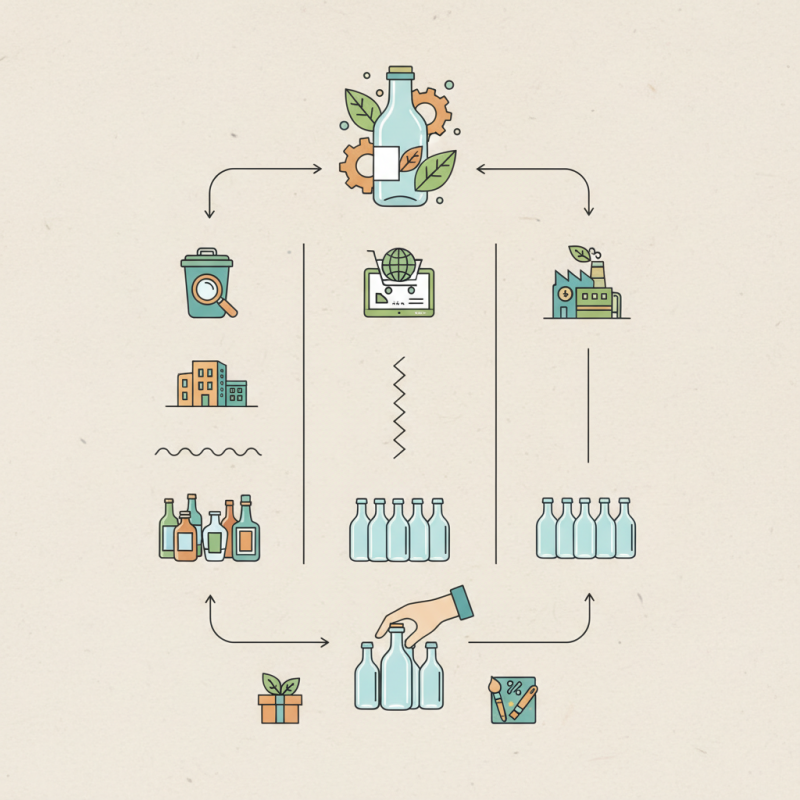
When sourcing empty glass bottles, understanding the right types for your needs is crucial. With over 10 billion bottles produced annually, varying shapes and sizes exist. Selecting the right bottle depends on your intended use, whether for packaging beverages, crafting, or storage. For instance, standard wine bottles hold 750 milliliters, while smaller options like mini bottles cater to specific craft projects.
Consider the type of glass: clear, green, or brown. Each has unique aesthetics and functional properties. Reports indicate that clear glass preserves flavor and appearance best, making it popular for beverages. Meanwhile, brown glass is ideal for light-sensitive products, extending shelf life. Research from the Glass Packaging Institute highlights that glass is up to 100% recyclable. This promotes sustainability in packaging choices.
Yet, sourcing may present hurdles. Local recycling programs might not yield the desired bottle types. Thus, connecting with local breweries or distilleries can offer valuable opportunities. Networking within craft communities may aid in finding creative solutions. Remember, not every sourced bottle will perfectly meet your expectations. Remaining adaptable in your choices can yield surprising and innovative results in both packaging and crafting endeavors.
Finding empty glass bottles for packaging and crafts can be an enjoyable journey. Local sources often include thrift shops and garage sales. These places frequently have hidden treasures. People often overlook old glass containers, but they can be perfect for DIY projects. Check local farmers' markets too; vendors might have surplus bottles from homemade jams or sauces.
Online, the options expand significantly. Many websites specialize in supplies for crafters. These platforms offer various sizes, shapes, and designs. However, it’s essential to read reviews. Some suppliers may not meet your quality standards. Look for user feedback to gauge reliability. Social media groups can be helpful as well; fellow crafters often share their finds and tips on sourcing.
Don’t forget to consider recycling centers. Often, they have a selection of glass bottles that they’re willing to part with. Visit during open hours for the best chances. Exploring different areas may yield surprising finds, but results can vary widely. It’s a process that requires patience and persistence. Not every search will be fruitful, but each attempt brings you closer to finding those perfect bottles.
Cleaning and preparing empty glass bottles is crucial for any packaging or craft project. Start by rinsing the bottles with warm water. This helps remove residue and ensures they are safe for use. For tougher stains, create a mixture of baking soda and water. Apply it to the stained areas and scrub gently with a non-abrasive sponge. It’s important to do this step thoroughly. Sometimes, stubborn labels may remain, causing frustration.
To remove labels, soak the bottles in warm, soapy water for at least an hour. This will soften the adhesive. If the label is still stuck, a mixture of vinegar and baking soda can help. The chemical reaction often loosens the label further. Be patient here; rushing this process can lead to scratched surfaces.
After cleaning, thoroughly dry the bottles. Using a microfiber cloth can prevent lint from sticking. Check each bottle for cracks or chips. These imperfections can compromise safety and aesthetics. Reflecting on this step is important. Not all bottles will meet your standards, and that's okay. Sometimes, it’s best to discard a bottle that doesn't pass the test.
Empty glass bottles are not just for drinks anymore. Many crafters and DIY enthusiasts repurpose these bottles creatively. One popular idea is to use them as flower vases. A simple paint job can transform a plain bottle into a stylish centerpiece.
Consider creating decorative candle holders. By placing a small candle inside a bottle, you add warmth and charm to any space. Decorative twine or lace can wrap around the bottle for a rustic touch. These small details enhance the overall aesthetic.
You can also make your own infused oils or flavored vinegars. Bottles are perfect for storing these homemade concoctions. It’s essential to ensure the bottles are meticulously cleaned before use. While working with glass can be intimidating, embrace potential mishaps. Every craft offers learning opportunities. Authenticity shines through imperfections.
This bar chart illustrates the various sources of empty glass bottles used for packaging and creative crafts. The data highlights the preferred sourcing methods and the popularity of each method among crafters and businesses.
Sustainability is crucial when sourcing empty glass bottles for packaging and crafts. The production of glass is energy-intensive, contributing to carbon emissions. Thus, reusing glass bottles can significantly reduce waste and energy consumption. Opting for locally sourced bottles not only minimizes transportation emissions but also supports local economies.
Consider the life cycle of the bottles. Some empty bottles may come with labels, caps, or coatings that can hinder recycling. It’s essential to choose bottles that are easy to clean and repurpose. This process can sometimes be challenging, as removing labels or residues isn’t always straightforward. Be prepared for some trial and error when you start repurposing bottles.
When incorporating glass bottles into crafts, think about both aesthetics and functionality. While a beautifully crafted bottle may look great, ensure it serves its intended purpose. Some crafts may not endure long-term use. Reflecting on the materials and techniques used can lead to better, more sustainable practices. Choose materials that complement your design while being mindful of their environmental impact. Each choice counts towards a more sustainable future.
| Source Type | Description | Sustainability Considerations | Potential Uses |
|---|---|---|---|
| Local Recycling Centers | Places where used bottles are collected and sorted. | Promotes circular economy; reduces waste. | Craft projects, home decor, etc. |
| Restaurants and Bars | Hospitality venues that generate large quantities of glass waste. | Encourages reuse of materials; reduces landfill contributions. | Unique packaging, decorative items. |
| Craft Stores | Retailers specializing in materials for arts and crafts. | Supports sustainable sourcing practices. | DIY projects, seasonal crafts. |
| Online Marketplaces | Websites where individuals can buy or sell glass bottles. | Encourages resource sharing and waste reduction. | Packaging for products, artwork. |
| Community Events | Local initiatives promoting recycling and upcycling. | Fosters community engagement and sustainable practices. | Art installations, workshops. |
: Empty glass bottles come in various shapes and sizes. They can cater to beverages, crafts, or storage needs.
Clear glass is popular for beverages. It helps preserve flavor and appearance better than colored glass.
Check thrift shops, garage sales, and farmers' markets. Often, old bottles are overlooked but can be valuable.
Yes, many websites cater to crafters. Read user reviews to ensure the quality of the bottles you choose.
Use them as vases or candle holders. You can also make infused oils or flavored vinegars for storage.
Cleaning is essential to avoid contamination. Even small residues can affect what you’re storing in the bottles.
Yes, recycling centers often have glass bottles available. Visit during open hours for the best selection.
Not every search will be successful. Patience is key, and adaptability can lead to innovative results.
Simple paint jobs or decorative wraps can enhance aesthetics. Embrace imperfections; they add authenticity to your work.
Yes, local recycling programs may not yield desired types. Networking within craft communities can provide helpful insights.
This article provides a comprehensive guide on sourcing empty glass bottles for various applications, from packaging to crafting. It begins by identifying the right types of empty glass bottles suited to your specific needs, ensuring that you choose the most appropriate styles and sizes for your projects. The article emphasizes where to find these bottles through local sources, like thrift shops and recycling centers, as well as online platforms, making it easy to gather supplies.
Additionally, readers will find valuable tips for cleaning and preparing empty glass bottles, ensuring they are safe and ready for use. The article explores creative ideas for incorporating these bottles into crafts and packaging, showcasing innovative ways to repurpose them. Lastly, it addresses sustainability, encouraging responsible sourcing and usage of empty glass bottles to support eco-friendly practices. Overall, this guide serves as an essential resource for anyone interested in utilizing empty glass bottles creatively and sustainably.

Hengsheng