When selecting the ideal Square Glass Wine Bottle, various factors come into play. The global wine packaging market was valued at approximately $36 billion in 2022 and is projected to continue growing. Square glass bottles not only stand out visually but also provide practical benefits. These bottles are known for efficient storage and shipping, maximizing space.
However, picking the right design can be challenging. Traditional round bottles dominate the market, making square designs less common. This may raise questions about consumer preferences. According to a recent survey, 70% of wine lovers choose bottles based on aesthetics first. Yet, functionality plays a crucial role too. A square glass wine bottle could embellish your brand while ensuring optimal preservation of your wine.
In the end, making a choice can feel overwhelming. Different glass qualities, neck finishes, and capacities all influence the selection process. While it’s tempting to follow popular trends, it’s vital to consider what aligns best with your brand identity and customer expectations. Reflecting on these elements can lead to an informed decision.
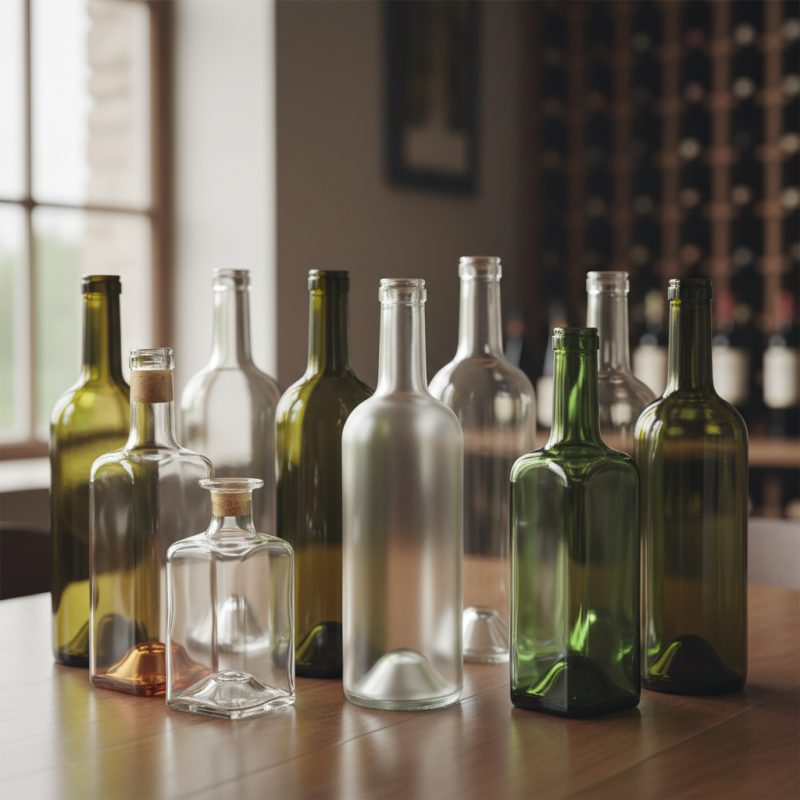
Square glass wine bottles offer a range of benefits that enhance both storage and aesthetics. Their unique shape maximizes space in retail settings, allowing wineries to display more products per shelf. A study from the Glass Packaging Institute notes that glass can maintain the wine’s quality better than plastic or alternatives. This helps protect flavor and aroma, ensuring every bottle retains its character.
Additionally, square bottles are more eco-friendly. Their design often uses less glass than traditional round bottles, which can reduce material costs. In fact, the European Container Glass Federation reports that glass recycling rates exceed 80%. Choosing a square bottle promotes sustainability, appealing to eco-conscious consumers.
When selecting square glass wine bottles, consider some tips. Focus on the thickness of the glass. Thicker glass provides better protection against temperature changes. Pay attention to the closure; cork and screw caps both offer distinct advantages. Ensure that the design aligns with your brand’s identity for better market positioning. Remember, the right choice can elevate the entire wine experience, but don’t overlook the importance of logistics and distribution compatibility.
When selecting a square glass wine bottle, consider the purpose. Are you bottling at home or for a commercial venture? The bottle design can greatly influence your wine's perception. A sleek square shape often suggests modernity and sophistication. Yet, it’s important to remember that aesthetics shouldn’t overshadow quality.
Next, think about the bottle size. Standard sizes include 750ml or 1.5L. But, there's beauty in creativity too. Experimenting with unusual sizes can make a statement. However, ensure your wine can age properly if you choose non-traditional sizes. Also, reflect on your closure choice; cork or screw cap? Each offers unique benefits and drawbacks.
Don’t overlook the weight of the bottle. Heavier bottles might indicate premium quality but can be cumbersome. Light bottles are easier to handle but may raise questions about durability. Ultimately, the right choice involves balancing style, functionality, and practicality. Testing various options can sometimes lead to surprising preferences, helping you find the ideal bottle that fits both your vision and your wine’s character.
When choosing square glass wine bottles, the material plays a crucial role. Glass is the most common choice. It's non-reactive, preserving the wine's flavor. However, not all glass is the same. Thinner glass can affect heat conductivity. This can lead to temperature fluctuations that alter wine quality.
Consider the thickness of the glass. A thicker bottle offers better insulation. It also provides protection from UV rays. However, heavier bottles can be bulky. This can be inconvenient for packaging and transportation.
In contrast, some alternatives like plastic may seem practical. But they can leach chemicals. This can spoil the wine’s taste. The finish of the bottle also matters. Smooth, well-made edges enhance the overall feel. The right choice is not always obvious. Reflecting on these details can lead you to a better decision.
| Bottle Material | Impact on Wine Quality | Weight (grams) | Price Range |
|---|---|---|---|
| Standard Glass | Excellent; protects against UV light | 400 - 500 | $1 - $5 |
| Opaque Glass | Very Good; minimal light exposure | 450 - 550 | $2 - $7 |
| Borosilicate Glass | Excellent; withstands temperature changes | 480 - 600 | $3 - $10 |
| Colored Glass | Good; helps reduce light exposure | 400 - 500 | $1.50 - $6 |
| Recycled Glass | Good; eco-friendly, moderate protection | 420 - 520 | $1 - $4 |
When selecting a square glass wine bottle, design and aesthetics play a crucial role in brand representation. A bottle is more than just a container; it is a storytelling medium. The right bottle can reflect your wine’s essence and attract buyers. Consider shapes that complement your wine's unique character. A square bottle offers a modern look. This can appeal to a younger audience.
Think about color and texture. Clear glass shows off the wine's vibrancy. Frosted glass adds sophistication. Experiment with different finishes to see what resonates. Incorporating unique labels can make your bottle stand out. Remember, simplicity can be effective. However, don’t overlook your brand’s identity.
Here are some tips to guide your choice: Select a shape that enhances the wine’s profile. Ensure the size fits your market needs. Don’t hesitate to consult with a designer for a fresh perspective. Ultimately, your bottle should evoke emotion. If it doesn’t, re-evaluate. Your choice should feel right, but it also needs to attract attention. Experimentation is key. Keep refining until you find the perfect balance.
Choosing the right wine bottle is not just about aesthetics. Sustainability is essential in today’s eco-conscious market. Glass, for example, is recyclable and can be reused many times. However, not all glass bottles are created equal. Look for options made from sustainable sources. This ensures a lower environmental impact.
When selecting square glass wine bottles, consider their weight and thickness. Thicker bottles often use more energy to produce. They can also be more difficult to recycle. Consider lighter options that maintain quality but reduce carbon footprints. A lighter bottle can save on transportation emissions, benefiting the environment.
Moreover, reflect on the bottle’s design. A square shape may allow for efficient packing, which can reduce storage space. However, this design also requires careful consideration of materials. It may lead to higher waste if not properly managed. Always aim for bottles that balance aesthetics and sustainability. Prioritize options that resonate with your values.
: Think about the purpose first. Are you bottling for home or commercial use?
A sleek square shape suggests modernity. Yet, quality matters more than just appearance.
Common sizes include 750ml and 1.5L. Unusual sizes can make a statement but affect aging.
You can choose cork or screw caps. Both have unique advantages and disadvantages.
Heavier bottles may indicate quality but can be cumbersome. Light bottles are easier to handle, raising durability questions.
A bottle tells a story. Select shapes and colors that complement your wine's essence and appeal to buyers.
Eco-conscious choices are crucial. Recyclable glass reduces environmental impact. Aim for bottles made from sustainable sources.
A square shape may allows efficient packing, but thickness can lead to higher waste. Balance aesthetics with practicality.
Yes, trying various designs can lead to surprising preferences. Keep refining your choices until it feels right.
If you’re unsure about your design choice. A fresh perspective can help align your vision with market needs.
When selecting the perfect Square Glass Wine Bottle, understanding its benefits is crucial. Square bottles not only optimize storage space but also enhance the visual appeal of the wine, making them a stylish choice for both producers and consumers. Key factors to consider include size, capacity, and compatibility with your wine's characteristics, ensuring that the chosen bottle aligns with the wine's unique attributes.
Different materials can significantly impact wine quality, with options ranging from traditional glass to innovative eco-friendly alternatives. Additionally, the design and aesthetics of the bottle should resonate with your brand identity, capturing consumer attention effectively. Finally, sustainability plays an important role in modern bottle selection, as environmentally conscious packaging becomes increasingly important in today’s market. By balancing these factors, you can confidently choose a Square Glass Wine Bottle that elevates your product and appeals to your target audience.

Hengsheng