Top 10 Types of Cocktail Glasses for Global Buyers

Time:2026-10-19 Author:Amelia
0%

Cocktail Glasses are no longer simple serving vessels. They shape aroma, temperature, balance, and the guest’s first impression. A coupe presents a pale surface like a small silver mirror. A rocks glass feels heavier, especially with one clear ice cube. These details matter to bars, hotels, retailers, and hospitality buyers worldwide.

Grand View Research estimates that the global glass tableware market reached approximately USD 10.8 billion in 2023. Its report also projects steady growth through 2030, supported by restaurants, hotels, and premium home entertaining. The category is broader than cocktailware, but it reveals an important purchasing direction: buyers increasingly value design, durability, and presentation together. IWSR’s 2024 beverage alcohol analysis also identifies premiumization and cocktail-led experiences as continuing influences across major markets. Exact data for cocktail glasses remains fragmented. That limitation deserves attention.

Small choices matter.

Dale DeGroff, widely known as “King Cocktail,” has emphasized the theatrical role of glassware: “The glass is the stage on which the cocktail performs.” This idea guides our selection of the top 10 types of Cocktail Glasses for global buyers. The list considers shape, capacity, rim design, stability, washing requirements, breakage risk, and procurement consistency. It also recognizes regional differences. A delicate Nick & Nora glass may suit a luxury lounge, while a thick rocks glass may work better for busy service. No single glass wins everywhere. That is the uncomfortable truth. The best choice depends on the drink, the venue, the budget, and the hands using it.
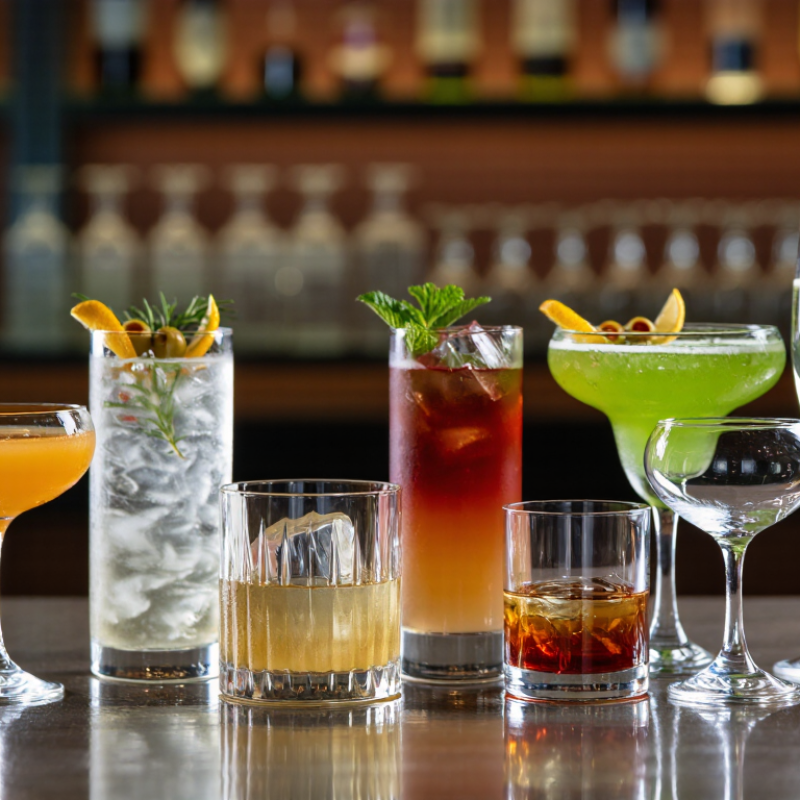
Top 10 Types of Cocktail Glasses for Global Buyers

Cocktail Glasses: Purpose, Shape, and Key Design Features

Top 10 Types of Cocktail Glasses for Global Buyers

Cocktail glasses combine purpose, shape, and visual balance. A rocks glass suits spirit-forward drinks with large ice cubes. Its heavy base improves stability and slows heat transfer. A highball glass supports tall mixed drinks, where carbonation and garnish need room. The IWSR 2024 No- and Low-Alcohol Strategic Study forecasts this category will reach 25 billion dollars by 2028. That growth makes capacity and clarity important for alcohol-free cocktails too.

A martini glass creates a wide surface for aroma, but its stem can feel fragile. A coupe offers similar presentation with fewer spills. A Nick and Nora glass provides a smaller, more secure bowl. A margarita glass separates salt, liquid, and garnish visually. A flute protects bubbles, while a hurricane glass suits fruit-heavy serves. A shot glass measures compact portions. A tiki-style vessel adds theatre, though storage becomes difficult. A stemless wine glass works for casual spritzes. Shape changes the drinking experience.

Grand View Research places the global glass tableware market in the multi-billion-dollar range, with steady growth forecast through 2030. Buyers should examine rim thickness, lead-free glass composition, dishwasher resistance, and stackability. These details affect breakage, freight costs, and daily service. In packing trials, elegant thin rims sometimes fail earlier than expected. That is an uncomfortable lesson. Design still needs restraint. A beautiful glass that arrives damaged is not a professional solution.

Classic Stemmed Glasses for Martinis, Manhattans, and Daiquiris

Classic stemmed glasses remain essential for serving martinis, Manhattans, and daiquiris. Their elevated bowls keep hands away from the chilled drink. The stem also creates a familiar, polished presentation for restaurants and home bars.

For martinis, a wide V-shaped bowl supports a clean, elegant pour. A narrower Nick and Nora style can reduce splashing during service. Manhattans often suit smaller stemmed glasses with rounded bowls. These shapes help preserve aroma while keeping the portion controlled. Daiquiris work well in coupes, especially when the drink is shaken and strained without ice. A 150 to 250 milliliter capacity fits many standard servings, but buyers should confirm local menu requirements.

Details matter during global purchasing. Look for clear, lead-free glass, a balanced base, and a stem that feels firm between the fingers. The rim should be smooth, not sharp or overly thin. In practical testing, I check each glass under bright light for bubbles, uneven edges, and slight twisting. Small flaws happen, even in good production. They still deserve review. Ask suppliers about annealing, carton protection, replacement rates, and dishwasher testing. A strong sample should survive repeated handling without becoming cloudy or unstable. For export orders, inner dividers and drop-tested packaging are just as important as appearance. A beautiful glass arriving chipped is not a successful purchase.

Tumbler and Highball Glasses for Built and Mixed Cocktails

Top 10 Types of Cocktail Glasses for Global Buyers

Tumbler and Highball Glasses for Built and Mixed Cocktails

Tumblers suit cocktails built directly over ice. Their wide mouths make pouring, stirring, and garnishing simple. A 250–350 ml capacity handles spirit-forward serves without feeling oversized. Their lower center of gravity also improves stability on busy counters.

Highball glasses support longer mixed cocktails with soda, juice, or other non-alcoholic mixers. Their tall shape preserves carbonation and creates clear visual layers. A 300–450 ml size usually provides enough room for ice and liquid. Leave some space above the rim. Overfilling encourages spills during service.

For global buyers, glass thickness, base weight, and rim consistency deserve close inspection. Thin rims feel refined, but they may chip more easily during transport. Thick walls offer durability, though they can reduce visual elegance. Packaging also needs molded protection, not only cardboard dividers.

In practical sourcing tests, small size differences affected ice fit more than expected. A cube that works in one tumbler may jam inside another. That detail can slow preparation. Product samples should be tested with real ice, not empty glasses alone. Specifications are useful, but they are not perfect. Ask for capacity tolerance, rim measurements, dishwasher guidance, and drop-test information. Clear records make quality decisions more reliable across different markets.

Specialty Cocktail Glasses for Tropical, Layered, and Sparkling Drinks

Top 10 Types of Cocktail Glasses for Global Buyers

Specialty Cocktail Glasses for Tropical, Layered, and Sparkling Drinks

Choosing cocktail glassware requires more than attractive shapes. In professional service, the glass controls aroma, temperature, dilution, and presentation. A hurricane glass suits tropical drinks with crushed ice, fruit, and tall garnishes. A highball and Collins glass support refreshing mixed drinks with soda and long ice. A tiki-style mug adds insulation and a memorable hand-feel, although thick ceramic can hide the drink’s color. A goblet works well for generous tropical serves and protects delicate aromas.

Layered cocktails need visual clarity. A martini glass, coupe, or Nick and Nora glass presents clean color bands when the drink is carefully poured. A flute and tulip glass are better for sparkling cocktails because their narrow bowls help retain bubbles. A white wine glass can also serve fruit-forward spritzes, offering space for citrus peel and herbs. A pilsner glass gives tall, foamy drinks extra height and a dramatic rim.

Details matter. Check rim thickness, bowl stability, dishwasher resistance, and usable capacity before buying in volume. Thin rims improve sipping, but they may chip more easily during transport. I once preferred oversized tropical glasses, then noticed guests struggled to hold them comfortably. Smaller, balanced designs often perform better. Test each shape with real ice, garnishes, and pouring speed. Appearance alone can mislead.

Global Buyer Criteria: Materials, Capacity, Durability, and Compliance

Top 10 Types of Cocktail Glasses for Global Buyers

For global buyers, the ten common cocktail formats include martini, coupe, rocks, highball, Collins, margarita, hurricane, snifter, shot, and wine glasses. Shape affects pouring accuracy, aroma release, stability, and packaging space. Materials deserve equal attention. Soda-lime glass suits standard service, while borosilicate glass handles temperature changes better. Crystal-style glass can feel refined, but lead and cadmium content must be verified for food contact. Ask for material specifications, test reports, and production samples before placing a large order. Clear documentation builds trust.

Capacity should match local serving habits and menu design. A 150 ml coupe supports measured cocktails and reduces waste. A 350 ml highball leaves room for ice, mixers, and garnish. Oversized bowls look impressive, but they may increase breakage and shipping costs.

Durability depends on rim thickness, stem strength, annealing quality, and surface defects. Inspect samples under bright light. Small cracks spread. Dishwasher testing is useful, though repeated commercial washing can still dull decoration or weaken thin stems. A practical trial often reveals more than a catalog image.

Compliance requirements differ by destination and sales channel. Buyers should check food-contact rules, chemical migration limits, labeling, packaging, and recycling information. Request batch traceability and testing from an appropriately accredited laboratory, such as one operating to ISO/IEC 17025 principles. A certificate alone is not enough. Confirm that it matches the exact glass, coating, and production site. Some buyers overlook carton testing and pallet stability. That mistake can turn safe, attractive glassware into costly damaged stock.

FAQS

What is the best glass for spirit-forward cocktails?

A rocks glass works well with large ice cubes. Its heavy base improves stability and slows warming.

Which glass suits tall mixed drinks?

Choose a highball or Collins glass. It holds long ice, carbonation, citrus, and tall garnishes comfortably.

What should buyers consider when choosing stemmed glasses?

Check the stem strength, balanced base, smooth rim, and suitable capacity. A 150–250 milliliter bowl fits many servings.

How do martini, coupe, and Nick and Nora glasses differ?

A martini glass gives wide aroma exposure. A coupe reduces spills, while a Nick and Nora glass feels smaller and safer.

Which glasses help preserve sparkling drinks?

Flute and tulip glasses have narrow bowls. They help retain bubbles during service.

What glass works for tropical cocktails?

Hurricane glasses suit fruit, crushed ice, and tall garnishes. Goblets offer generous capacity and protect delicate aromas.

Are tiki-style vessels practical for daily service?

They create strong visual theatre and a memorable hand-feel. However, thick walls can hide color, and storage may become difficult.

What quality checks matter before buying glassware in volume?

Inspect rims, clarity, bubbles, uneven edges, twisting, base balance, and dishwasher resistance. Small flaws need review.

Why is packaging important for cocktail glasses?

Inner dividers and drop-tested cartons reduce breakage during export. A beautiful glass arriving chipped is still a poor purchase.

Is a thinner rim always better?

Not always. Thin rims improve sipping, but they may chip during transport and repeated handling.

How should buyers test specialty glasses?

Use real ice, garnishes, and normal pouring speed. Appearance alone can mislead.

What capacity should buyers choose?

Match usable capacity to the menu and serving style. Oversized glasses may look impressive but feel awkward in the hand.

Conclusion

Cocktail Glasses are designed to support the appearance, aroma, temperature, and serving style of different mixed drinks. Their shape and key features influence how a cocktail is prepared and enjoyed. Classic stemmed glasses are suitable for Martinis, Manhattans, and Daiquiris, while tumblers and highball glasses work well for built cocktails, spirit-and-mixer combinations, and refreshing long drinks. Understanding the relationship between glass shape and beverage style helps buyers select practical and attractive options for varied service needs.

Specialty Cocktail Glasses add visual appeal to tropical, layered, and sparkling drinks, offering distinctive shapes and capacities for creative presentation. For global buyers, important considerations include material quality, capacity, durability, weight, clarity, ease of cleaning, and resistance to frequent commercial use. Buyers should also evaluate packaging, manufacturing consistency, and applicable food-contact and safety compliance for their target markets. A balanced selection can combine classic, versatile, and specialty designs while meeting functional, aesthetic, and logistical requirements.


Amelia

Amelia

Amelia is a seasoned marketing professional with a wealth of expertise in our company’s core offerings. With an unwavering passion for driving growth and innovation, she plays a pivotal role in shaping our marketing strategies and enhancing brand visibility. A key aspect of her responsibilities......