Top Beverage Bottles in China for Global Importers?

Time:2026-05-09 Author:Madeline
0%

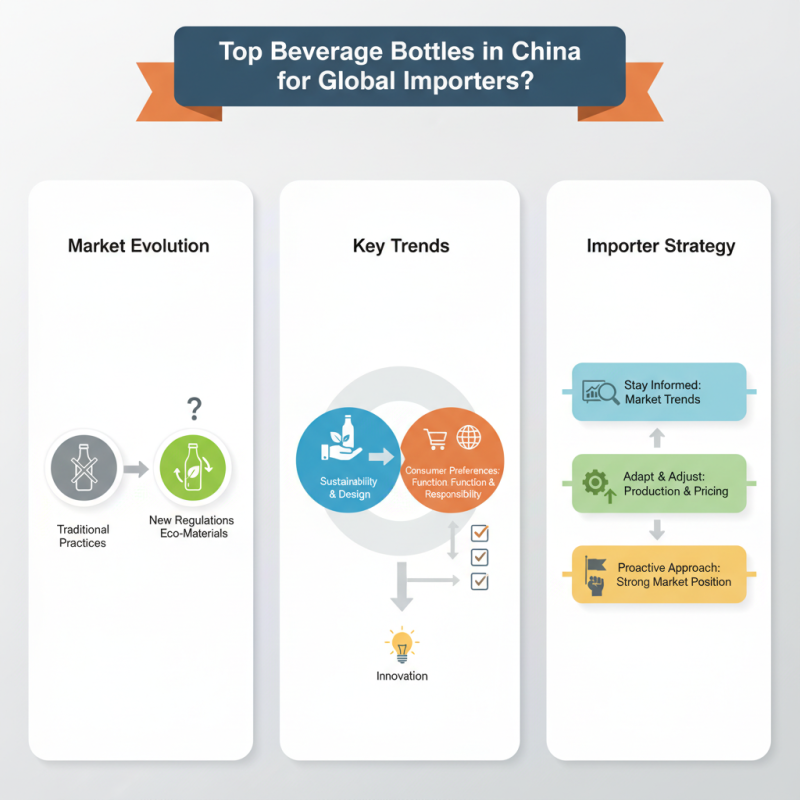
In the rapidly evolving market of Beverage Bottles, understanding trends is essential for global importers. Expert Harry Chen emphasizes, "Sustainability and design are now crucial in beverage packaging." This highlights an important shift in consumer preferences. Modern consumers seek both functionality and environmental responsibility in their choices.

The Beverage Bottles industry has experienced significant changes. Importers must navigate complexities like new regulations and competitive pricing. Sustainability initiatives are reshaping production processes. Many companies are adopting eco-friendly materials. This transition is both a challenge and an opportunity for innovation.

While some businesses excel in adapting, others struggle. An unexamined adherence to traditional practices may lead to missed opportunities. The landscape demands constant reflection and adjustment. Importers should stay informed about trends to effectively connect with consumers. Being proactive will ensure a strong position in this dynamic industry.
Top Beverage Bottles in China for Global Importers?

Top Beverage Bottle Trends in China: A Comprehensive Overview

The beverage bottle market in China is experiencing notable trends. Consumer preferences are shifting towards eco-friendly materials. Reports suggest that around 35% of consumers prefer biodegradable packaging. This shift reflects a deeper understanding of sustainability practices in the beverage industry.

Reusable bottles are gaining traction. Data indicates a surge of 25% in demand for stainless steel and glass bottles in urban areas. Modern consumers value health and wellness alongside environmental impact. They are opting for bottles that not only preserve beverage quality but also minimize ecological harm.

Innovations in design are also prevalent. Sleek, ergonomic shapes enhance user experience. Meanwhile, personalization options allow brands to tap into consumer individuality. However, some brands struggle to balance aesthetics with functionality. Quality assurance remains a critical area needing improvement. As demand grows, manufacturers must adapt swiftly to avoid market saturation while maintaining product integrity.

Market Analysis: Key Players in China's Beverage Bottle Industry

China's beverage bottle industry is rapidly evolving. In 2022, the market reached a valuation of approximately $50 billion, reflecting a compound annual growth rate of 6.5%. This growth is largely driven by increasing consumer demand for bottled beverages, spurred by urbanization and health consciousness among the population.

Key players in this market include domestic manufacturers and international brands. Many focus on sustainable practices, aiming for eco-friendly materials. For instance, around 30% of new products launched in 2022 utilized recycled materials. However, the shift towards sustainability presents challenges. Not all manufacturers have adopted these practices, leading to inconsistent standards across the industry.

Competition is fierce, with companies investing heavily in innovative designs. As of early 2023, around 40% of beverage bottles introduced featured unique shapes or functionalities. Yet, not all innovations resonate with consumers. Market feedback indicates that some designs, while creative, do not enhance user experience. This highlights the need for manufacturers to align product development closely with consumer preferences to succeed in this dynamic marketplace.

Top Beverage Bottles in China - Market Analysis

Sustainability Practices in Chinese Beverage Bottle Production

Sustainability is increasingly important in beverage bottle production in China. A recent report from the China Packaging Federation shows that about 60% of beverage manufacturers are adopting eco-friendly practices. This shift is largely driven by consumer demand for greener products.

Recyclable materials such as PET and glass are gaining traction. According to the latest statistics, nearly 75% of beverage bottles made in China are now designed for recycling. Nevertheless, challenges remain. Many manufacturers face difficulties in sourcing sustainable materials that do not compromise quality.

Tip: Consider sourcing bottles with high recycled content. This can significantly reduce your carbon footprint.

Water consumption in production is also a concern. A report noted that some plants still use outdated methods, leading to excessive water waste. Only about 40% have implemented water-saving technologies.

Tip: Review suppliers' sustainability metrics. This ensures that you partner with those who prioritize eco-friendly practices.

Attention to these factors is essential. While progress is being made, the industry must continue to evolve and reflect on its environmental impact.

Import Regulations: What Global Importers Need to Know About China

When considering the import of beverage bottles from China, understanding import regulations is crucial. China’s beverage container market reached approximately $14 billion in 2022, driven by rising domestic demand and global exports. This booming sector is subject to various regulations that can impact international trade. The General Administration of Customs of China implements strict labeling requirements, necessitating clear specifications in Chinese. Global importers must ensure compliance to avoid costly delays or rejections.

Additionally, compliance with food safety standards is paramount. The China National Center for Food Safety Risk Assessment released data indicating that nearly 40% of imported food packaging tested failed to meet safety standards last year. This underscores the importance of packaging materials that are both safe and compliant with local regulations. Importers should also be aware of the evolving regulations around recycling and environmental impact, as sustainability becomes a vital concern in consumer choice. More and more, bottles made from recycled materials gain preferential treatment in regulatory frameworks.

Furthermore, understanding tariffs and duties is essential. Current tariffs on beverage bottles can range from 5% to 10%, affecting pricing strategies. An accurate assessment of the total landed cost, including duties, is necessary for competitive pricing. Engaging with a local customs broker may provide insights into navigating these complexities. Regulations are subject to change, meaning continual research and adaptation is essential for success in this market.

Top Beverage Bottles in China for Global Importers

Bottle Type Material Capacity (ml) Common Uses Regulatory Compliance
PET Bottle Polyethylene Terephthalate 500 Soft Drinks, Water GB4806.1-2016
Glass Bottle Glass 330 Juice, Beer GB9685-2016
HDPE Bottle High-Density Polyethylene 1000 Milk, Oils GB4806.7-2016
Aluminum Can Aluminum 355 Carbonated Drinks GB/T 11680-2015

Consumer Preferences: Insights into Beverage Bottle Design and Functionality

In recent years, China's beverage bottle market has shown a remarkable evolution. Consumer preferences are shifting towards bottles that blend aesthetics with functionality. Sleek designs with vibrant colors attract buyers, but practicality must not be overlooked. An effective bottle must offer durability and ease of use.

Sustainability is a crucial factor driving consumer choices. Eco-friendly materials are gaining traction among buyers. Many prefer bottles that minimize waste and support recycling efforts. However, some brands still struggle with effective communication on these initiatives. Transparency is key.

Further insights indicate that personalization appeals to younger consumers. Customizable bottle designs resonate well. Yet, brands often miss the mark by sticking to generic styles. Understanding local trends is essential for global importers. Striking a balance between innovation and consumer demand remains a challenge.

FAQS

: What materials are preferred by consumers for beverage bottles?

: Consumers are increasingly favoring eco-friendly materials, with about 35% opting for biodegradable packaging.

How has the demand for reusable bottles changed?

There has been a 25% rise in the demand for stainless steel and glass bottles, especially in urban areas.

Why is sustainability important in beverage bottle choices?

Many consumers seek bottles that reduce waste and support recycling efforts, reflecting their eco-conscious values.

What design features attract consumers?

Sleek designs and vibrant colors are appealing, but practicality such as durability and ease of use is crucial.

How do personalization options influence consumer choices?

Personalization resonates with younger consumers, but many brands default to generic styles, missing opportunities.

What challenges do brands face in the current market?

Brands struggle with balancing aesthetics and functionality while ensuring quality assurance and avoiding market saturation.

Is there a communication gap regarding sustainability?

Yes, some brands fail to effectively communicate their sustainability initiatives, leading to consumer confusion.

How is the user experience factored into bottle design?

Ergonomic shapes enhance user experience, but some brands overlook this aspect when prioritizing style over functionality.

What is the risk of not adapting to consumer demand?

Failing to adapt can lead to market saturation and compromised product integrity, impacting brand reputation.

Why is understanding local trends vital?

Local trends influence consumer preferences, and ignoring them can hinder global importers from making effective choices.

Conclusion

The article "Top Beverage Bottles in China for Global Importers" provides a comprehensive overview of the current trends and market dynamics within China's beverage bottle industry. It highlights key trends such as innovative designs and the shift towards sustainable materials, reflecting the growing consumer preference for eco-friendly packaging. The analysis delves into the major players in the market, emphasizing their roles in shaping production practices and meeting consumer demands.

Furthermore, the article discusses crucial sustainability practices adopted by manufacturers in China, showcasing their commitment to reducing environmental impact. Global importers are also offered essential insights into import regulations that govern beverage bottles, ensuring they navigate the complexities of cross-border trade effectively. Ultimately, understanding consumer preferences regarding design and functionality is vital for industry stakeholders aiming to succeed in this rapidly evolving market.

Madeline

Madeline

Madeline is a dedicated marketing professional with a wealth of expertise in our company's core offerings. With a keen understanding of the industry, she brings a unique perspective to her role, consistently delivering high-quality content that highlights the superior aspects of our products. As......