In the competitive world of packaging, "Bulk Jars" play a vital role. Businesses rely on them for efficient storage and transportation. According to a Market Research report, the global bulk jar market is projected to grow by 7.5% annually. This growth reflects a rising demand for sustainable packaging solutions.
Industry expert Dr. Emily Carter emphasizes, “The right bulk jar can optimize product shelf life and reduce waste.” This statement underscores the importance of selecting quality materials for bulk jars. Companies are increasingly seeking jars made from recyclable materials. This shift not only benefits the environment but also appeals to eco-conscious consumers.
Yet, choosing the right bulk jar is not always straightforward. Factors like size, material, and design can complicate decision-making. Businesses must evaluate their specific needs and product characteristics. Understanding these nuances is crucial for long-term success. Finding the perfect bulk jar requires careful consideration and a commitment to quality.
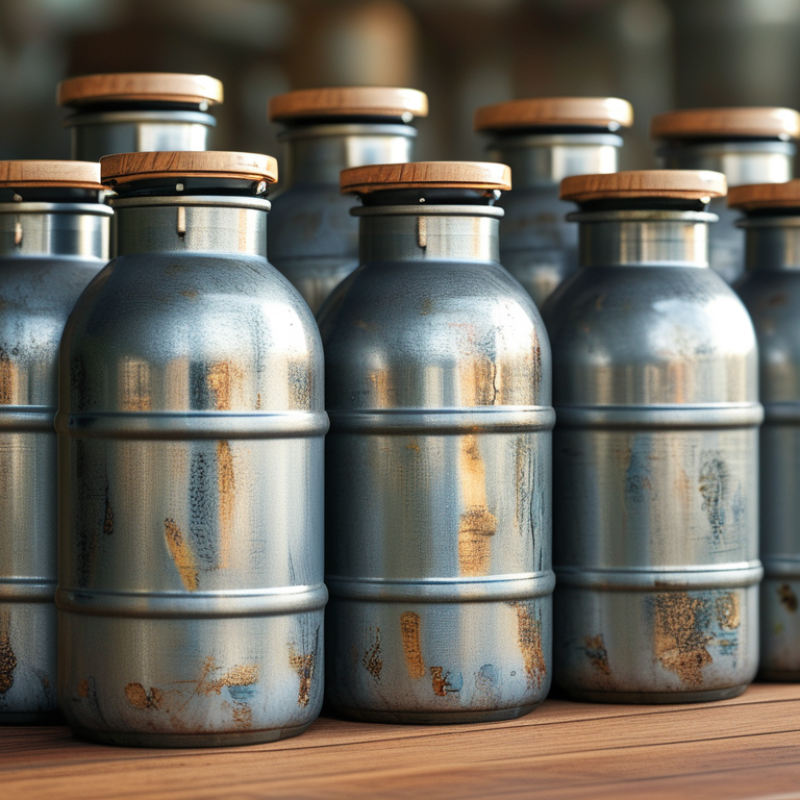
Factors to Consider When Choosing Bulk Jars for Your Needs
When selecting bulk jars, several factors demand attention. Material type is key.
Glass and plastic each have their pros and cons.
Glass is durable but heavier. Plastic is lightweight, yet it can scratch easily. Understanding your specific use case helps in this decision.
Capacity significantly influences your choice. Jars can hold a variety of volumes, from a few ounces to multiple gallons.
Consider how much product you'll typically store. Oversizing can lead to wasted space. On the other hand, jars that are too small will require frequent refills, which could be inefficient.
Tip: Always check for airtight seals. Proper sealing maintains product freshness.
Remember, your choice also affects shelf life. Each material reacts differently to moisture and air exposure.
Moreover, labels and branding can enhance jar functionality. Consider how jars fit into your marketing strategy.
Tip: Review supplier reliability. Not all vendors uphold quality.
Research studies show consistent quality impacts long-term satisfaction. Be wary of overly cheap options; they might compromise durability or safety.
Reflect on these points as you navigate your bulk jar purchasing journey.
Different Types of Bulk Jars: Glass, Plastic, and Metal Options
When choosing bulk jars, the material plays a vital role. Glass jars offer a premium feel and excellent visibility for contents. They are non-reactive, making them ideal for storing food items. However, they can be heavy and prone to breakage. If you’re using them in bustling environments, consider the fragility factor.
Plastic jars come in various shapes and sizes, providing versatility. They are lightweight and less likely to shatter. It's essential to choose BPA-free options for safety. However, plastic might not offer the same level of protection against sunlight or air. Think about the shelf life of your products. Would they benefit from a more robust option?
Metal jars are another interesting choice. They provide durability and a modern aesthetic. An added bonus is their ability to keep products fresh. However, they can be more expensive and may not be suitable for all types of substances. Consider how these factors align with your needs. Evaluate how each material impacts your business and customer satisfaction.
Understanding Capacity and Size Requirements for Bulk Jars
When selecting bulk jars, understanding capacity and size is crucial. Different materials affect weight and durability. Glass jars are heavier but offer better preservation while plastic ones are lightweight and versatile. You might prefer one over the other depending on your storage needs.
Size requirements vary greatly. Some prefer smaller jars for spices or snacks. Others require larger jars for dry grains, beans, or flour. Assessing your inventory helps in choosing the right sizes. Consider how much space you have for storage as well. It’s often easy to overlook space constraints until it’s too late.
What about the shapes? Round jars are popular, but square ones maximize space efficiency. You might find that hexagonal jars add a unique touch to your display. Consider the aesthetics along with functionality for a balanced choice. Reflect on your choices. Sometimes practicality trumps looks, but other times, a visually appealing jar attracts more attention.
Top 10 Bulk Jars Buyers Must Consider for Their Needs
| Jar Type |
Capacity (Liters) |
Height (cm) |
Diameter (cm) |
Material |
| Glass Jar |
10 |
25 |
15 |
Glass |
| Plastic Jar |
5 |
20 |
12 |
Plastic |
| Metal Jar |
8 |
18 |
14 |
Metal |
| Ceramic Jar |
6 |
22 |
13 |
Ceramic |
| Acrylic Jar |
3 |
15 |
10 |
Acrylic |
| Bamboo Jar |
4 |
17 |
11 |
Bamboo |
| Paper Jar |
2 |
12 |
9 |
Paper |
| Silicone Jar |
1 |
10 |
8 |
Silicone |
| Wooden Jar |
7 |
19 |
12 |
Wood |
| Recycled Jar |
9 |
21 |
13 |
Recyclable Material |
Evaluating Cost vs. Quality: Budgeting for Bulk Jars
When evaluating bulk jars, buyers face a critical balance between cost and quality. Industry reports indicate that nearly 70% of consumers prioritize durability and functionality over the lowest price. This is a vital consideration when sourcing bulk jars for varied uses, from food storage to decorative items. The materials used in manufacturing can significantly influence both cost and quality. For instance, glass jars tend to be more durable than plastic, but they can also inflate costs by up to 30%.
Data from market research highlights that consumers are willing to invest more in quality. Nearly 60% of buyers expect jars to last for several years, reducing the need for frequent replacements. Therefore, while budgeting, it's essential to consider long-term value rather than just initial expenditure. Cheaper options often compromise quality, which may lead to additional costs over time. Many businesses have learned this lesson the hard way, as high turnover rates in their jar stock have resulted in increased operational costs.
Ultimately, understanding the relationship between cost and quality will guide buyers in making informed decisions. Prioritizing quality often yields better satisfaction and longevity. It's crucial to assess various suppliers, materials, and customer reviews, which can provide deeper insights into the reliability of products and their manufacturers. This careful analysis can lead to more sustainable purchasing habits and better financial outcomes in the long term.
Eco-Friendly Considerations in Bulk Jar Selection and Use
In today’s environmentally conscious market, the selection of bulk jars is crucial. Eco-friendly considerations should drive buyers' choices. Many consumers now prefer sustainable materials. According to a 2022 report by the Global Sustainability Institute, about 73% of consumers are willing to pay more for products that are environmentally friendly. This demand influences how bulk jars are produced and distributed.
Choosing glass over plastic can significantly reduce environmental impact. Glass is recyclable and has a lower carbon footprint than plastic. A study by the Glass Packaging Institute indicates that glass can be recycled indefinitely without quality loss. Furthermore, biodegradable options like bamboo lids or recycled materials can enhance the sustainability of bulk jars. This reflects a shift toward circular economy practices, reducing waste in the long term.
However, buyers should also consider the practicality of eco-friendly options. Not all sustainable materials provide the same durability. For example, some biodegradable materials may not endure extreme temperatures. This reality calls for careful consideration and testing. It emphasizes the importance of balancing environmental benefits with usability. Finding that equilibrium is often a challenging journey for many businesses.
Top 10 Bulk Jars Buyers Must Consider for Their Needs
FAQS
: Bulk jars are typically made from glass or plastic. Each material has unique advantages and disadvantages.
The jar's capacity can range from a few ounces to several gallons. Oversizing may waste space, while undersizing leads to frequent refills.
Airtight seals help maintain product freshness. A proper seal can significantly extend the shelf life of stored items.
Researching suppliers ensures consistent quality. Low-cost options may compromise safety or durability, which can be risky.
Consumers increasingly prefer sustainable materials. Choosing glass over plastic can lower environmental impact due to recyclability.
Not all biodegradable materials are durable. Some may fail under extreme temperatures, necessitating careful testing.
Labels and branding enhance jar functionality and appeal. They also impact marketing strategies significantly.
Finding a balance can be challenging. Eco-friendly options may lack durability, which complicates practical applications.
Small jars require frequent refills, which can disrupt efficiency and productivity in storage operations.
Many consumers are willing to pay more for environmentally friendly products, influencing market trends and jar production.
Conclusion
When selecting bulk jars, it's essential to consider various factors that align with your specific needs. These factors include the materials used, such as glass, plastic, and metal, each offering unique benefits and drawbacks. Understanding the capacity and size requirements of bulk jars is crucial for efficient storage and use. Additionally, evaluating the cost versus quality is vital for proper budgeting, ensuring you invest in durable jars that meet your expectations.
Moreover, eco-friendly considerations are becoming increasingly important in bulk jar selection. Sustainable options not only contribute to environmental well-being but can also enhance your brand's reputation. By taking into account these various aspects—material, size, budget, and eco-friendliness—you can make informed decisions when choosing bulk jars, ensuring they fulfill your needs effectively.

 Hengsheng