In recent years, the demand for Glass Sweet Jars has surged globally. With their versatility and aesthetic appeal, these jars have become a popular choice for buyers. According to industry expert Dr. Emily Zhang, a renowned packaging specialist, "Glass Sweet Jars not only offer functionality but also elevate the presentation of sweets." Her perspective highlights the intersection of practicality and design in this market.
The rise of e-commerce has further facilitated the accessibility of quality Glass Sweet Jars. Many manufacturers in China are now focusing on international standards. However, not all suppliers maintain the same level of quality. This inconsistency can lead to buyer confusion. Prospective buyers must navigate this landscape carefully to find reliable sources.
Moreover, customization options are increasing. Personalized designs cater to various consumer preferences. Still, it is essential for buyers to reflect on their choices and ensure they align with brand identities. The Glass Sweet Jars market is rich with opportunities, yet diligence in sourcing is crucial.
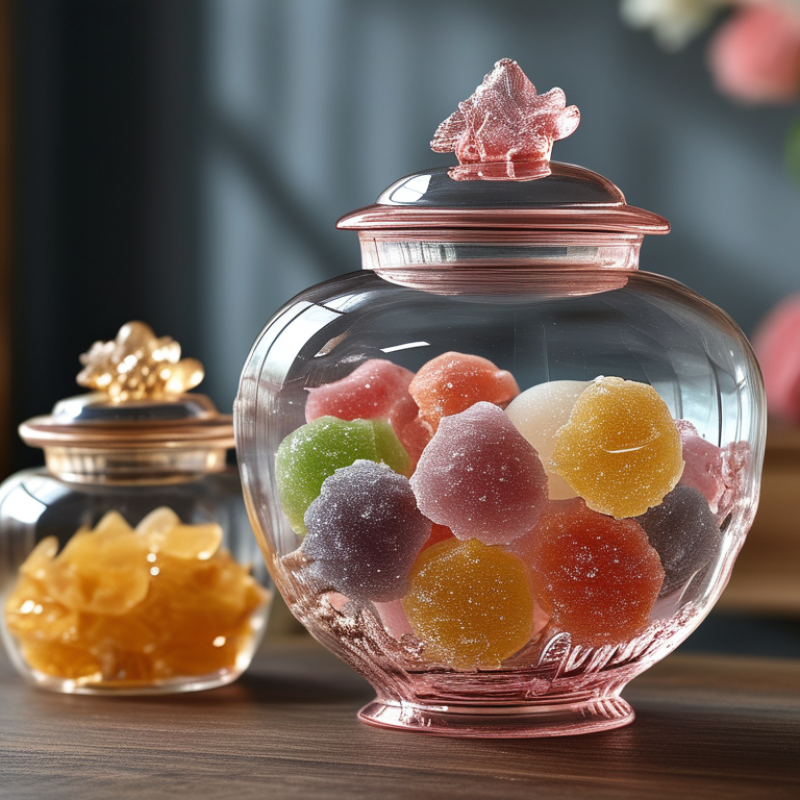
China's glass sweet jar industry has experienced significant growth in recent years. The rising demand for sustainable packaging solutions has driven manufacturers to innovate. Many buyers are now seeking jars that are not only functional but also aesthetically pleasing. This trend highlights the importance of both practicality and design in modern packaging.
The market growth is fueled by a shift towards healthier lifestyles. Consumers prefer sweets stored in glass, as it is perceived as safer and more eco-friendly. This shift has prompted manufacturers to diversify their offerings. New designs and sizes cater to various consumer preferences. However, there remain challenges in sourcing high-quality materials. Not all suppliers adhere to stringent quality standards, making careful selection crucial.
As competition intensifies, brands must establish their credibility. Ensuring reliability in production processes is essential for long-term success. Buyers should focus on suppliers with proven track records in quality and sustainability. Additionally, ongoing market research is vital. Understanding trends can guide decisions to invest wisely in this expanding industry.
When exploring the glass sweet jar market in China, several key features stand out. The most popular jars are made from high-quality glass. This material is not only visually appealing but also functional. Glass containers are non-toxic and do not alter the taste of sweets. They come in various shapes, such as round, square, or vintage styles. This variety meets diverse aesthetic preferences.
Sizes of the jars can vary greatly. Common options include small jars for individual servings and larger ones for bulk storage. Many buyers appreciate the versatility these jars offer for different environments. From home kitchens to retail displays, the right jar enhances presentation. Jars often feature airtight lids, which play a crucial role in maintaining freshness. Sealing methods can vary, with some using silicone gaskets for better insulation.
A common challenge buyers face is finding the balance between design and durability. Some attractive jars may lack sturdiness. This can lead to issues during transportation or daily use. It’s crucial for buyers to assess both aesthetics and functionality before making a purchase. Quality checks are vital to ensure the jars withstand wear over time. These considerations ultimately shape the buying experience and satisfaction.
When examining the glass sweet jars from China, pricing strategies play a crucial role for global buyers. Various factors impact pricing, including production costs, material quality, and shipping expenses. Buyers often compare prices across different suppliers to find the best deals. Companies must balance affordability with quality to attract international clients.
Some suppliers offer discounts for bulk purchases, which can significantly reduce costs. This strategy is effective for large buyers looking to stock inventory. However, it raises questions about product consistency. If discounts are excessive, it may indicate lower quality materials or manufacturing practices. Buyers need to analyze these risks carefully to ensure they are making wise investments.
Additionally, currency fluctuations can greatly affect pricing. Buyers must be aware of how exchange rates impact their final costs. It’s important to keep track of market trends and adjust purchasing strategies accordingly. This constant need for adjustment can be challenging. However, staying informed can help buyers navigate the complexities of the global market effectively.
The demand for sustainable packaging solutions is reshaping the glass sweet jar industry in China. According to recent industry reports, the market for eco-friendly glass containers is projected to grow by 7% annually through 2025. This growth signifies a mounting consumer preference for sustainable products that reduce environmental impact. A considerable portion of manufacturers is adopting recycled materials to meet this demand. Typically, glass sweet jars can be made using up to 40% recycled glass, which significantly lowers the carbon footprint during production.
Innovations in production processes also play a crucial role in sustainability. Many facilities are investing in technologies that reduce energy consumption. For example, optimizing melting furnaces can cut energy use by as much as 15%. Still, not all companies are fully implementing these technologies. Some producers face challenges in balancing cost with the need for sustainable practices. The prevalence of such challenges could slow the transition towards more responsible manufacturing.
Consumer awareness is driving changes in purchasing habits. Reports indicate that 70% of consumers prefer brands that use sustainable packaging. Yet, there is a gap in actual purchasing decisions versus stated intentions. Retailers must navigate this dissonance by educating consumers on the benefits of glass over plastic. Achieving this understanding is essential to fostering a market that values sustainability over convenience.
China has become a major player in the glass sweet jars market. Recent export statistics reveal that in 2022, China exported over 80 million units of glass jars valued at an estimated $450 million. This indicates a significant rise in demand, especially from North America and Europe. The global market is expanding, driven by trends in home organization and decorative packaging.
One key advantage of these jars is their versatility. They serve various purposes, from food storage to decorative uses. However, quality is crucial. Many buyers report issues with shipping damage and inconsistent product quality. It's essential for importers to conduct thorough quality checks before purchasing.
Tips: When sourcing glass jars, consider ordering samples first. This practice helps ensure the jars meet quality standards. Also, study your target market's preferences. Understanding consumer behavior can guide your purchasing decisions. As the market evolves, relying on accurate data and insights will enhance your business strategy.
| Country | Export Quantity (Units) | Export Value (USD) | Growth Rate (%) | Market Share (%) |
|---|---|---|---|---|
| United States | 1,200,000 | $15,600,000 | 8.5 | 25 |
| Germany | 900,000 | $12,400,000 | 5.0 | 20 |
| United Kingdom | 750,000 | $10,500,000 | 7.1 | 18 |
| Japan | 650,000 | $9,000,000 | 6.2 | 15 |
| Australia | 400,000 | $5,200,000 | 4.0 | 10 |
: Rising demand for sustainable packaging and healthier lifestyles is driving industry growth. Manufacturers are innovating to meet these needs.
Popular jars are made from high-quality glass. They are non-toxic, come in various shapes, and offer good functionality.
Consumers prefer glass due to its perceived safety and eco-friendliness. This perception influences their buying decisions significantly.
Buyers often struggle to find high-quality materials. Not all suppliers maintain strict quality standards, which complicates the selection process.
Design is crucial. Buyers appreciate both aesthetics and practicality when choosing jars for personal or retail use.
Pricing is influenced by production costs, material quality, and shipping expenses. Buyers must analyze these factors carefully.
Bulk purchases often lead to significant discounts. However, they may raise concerns about product quality consistency.
Ongoing research helps buyers understand trends and make informed investments in a rapidly growing industry.
Currency fluctuations can affect final costs significantly. Buyers must monitor exchange rates to adjust purchasing strategies accordingly.
Buyers need to balance design and durability. Attractive jars may not always be sturdy, which can affect their use over time.
The article discusses the burgeoning glass sweet jar industry in China, highlighting its significant market growth and various key features that make these jars popular among consumers. It emphasizes the essential aspects of top-selling glass sweet jars, such as their design and functionality, which cater to both local and global markets.
Additionally, a comparative analysis of pricing strategies illustrates how manufacturers are positioning their products for international buyers, taking into account factors such as quality and market demand. The article also addresses sustainability trends in the production of glass sweet jars, showcasing how manufacturers are adapting to eco-friendly practices. Finally, it provides an overview of export statistics, revealing China's impact on the global glass sweet jar market and its appeal to buyers worldwide.

Hengsheng