The world of cosmetic bottles is evolving rapidly. Industry expert Dr. Lucy Anderson states, “The right packaging can transform a product’s appeal.” This underscores the importance of aesthetics in attracting global buyers.
Today’s market demands more than just functionality from cosmetic bottles. They need to tell a story and reflect brand identity. Effective design can involve unique shapes, vibrant colors, and eco-friendly materials. However, not all designs succeed. Some may overlook consumer preferences or environmental concerns.
Understanding trends is crucial. Buyers seek products that resonate with their values, such as sustainability. Efforts should focus on innovation while being accountable. Reflecting on shortcomings in previous designs can lead to better choices. Cosmetic bottles must blend allure with purpose, fostering a connection with the audience. Balancing creativity and reliability presents a continuous challenge.
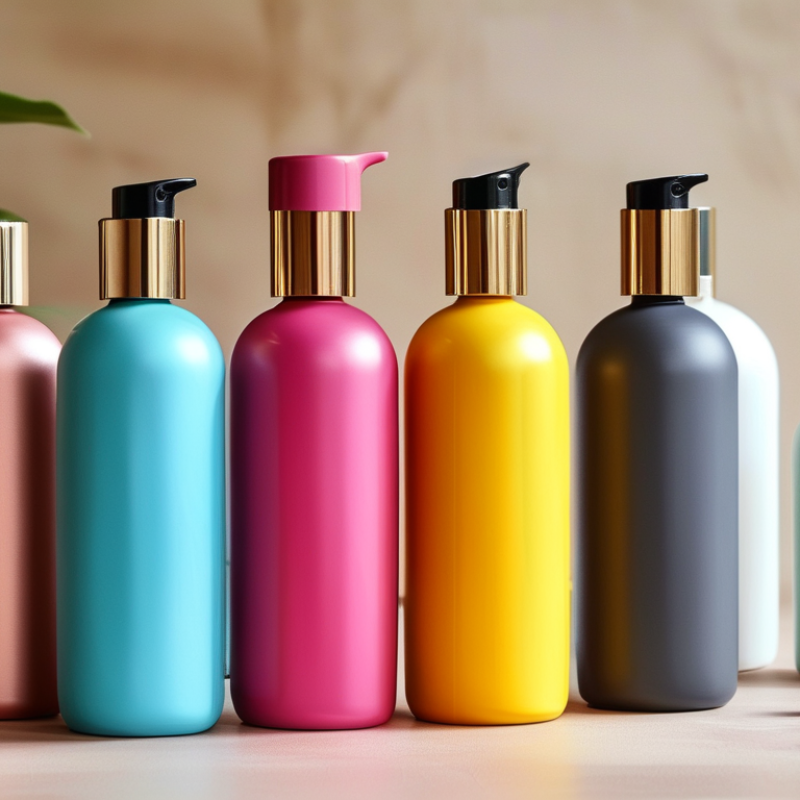
The cosmetic bottle market is evolving rapidly. Eco-friendly materials are becoming a priority for many companies. Recyclable plastics and glass are gaining attention. This shift reflects a growing consumer awareness about sustainability. Brands are considering more than just aesthetics in their packaging choices.
Innovative designs play a crucial role in attracting global buyers. Unique shapes and vibrant colors can stand out on shelves. Packaging that offers convenience, like pump dispensers, also appeals to consumers. However, some designs lack functionality, leading to frustrations for users.
Digital printing technology is enabling brands to personalize packaging. Consumers appreciate products that feel tailored to their needs. Still, striking a balance between personalization and mass production poses challenges. Companies must think critically about what attracts consumers while maintaining efficiency. The intersection of creativity and practicality is where the future lies.
The cosmetic industry is witnessing a significant shift towards eco-friendly packaging. Innovative materials like bioplastics and recycled glass are gaining traction. These choices not only reduce environmental impact but also draw in conscious buyers. Sustainable packaging appeals to consumers looking for ways to lessen their carbon footprint.
Brands are experimenting with these materials, yet challenges remain. The durability and aesthetic appeal of eco-friendly options can be inconsistent. Some brands struggle to balance sustainability with product safety and shelf life. This can lead to hesitance in fully committing to greener options.
Despite these challenges, the demand for sustainable packaging continues to rise. Educating consumers about the benefits of eco-friendly materials can further drive interest. As brands innovate, the potential to redefine cosmetic packaging is immense. This transformation is essential for aligning with modern consumer values while addressing environmental concerns.
| Rank | Material | Capacity (ml) | Sustainability Rating | Popularity Score (1-10) |
|---|---|---|---|---|
| 1 | Recycled Plastic | 150 | High | 9 |
| 2 | Biodegradable Plastic | 200 | Very High | 8 |
| 3 | Glass | 100 | Medium | 7 |
| 4 | Aluminum | 250 | High | 6 |
| 5 | Recycled Paper | 50 | Very High | 9 |
| 6 | Plant-based Plastic | 75 | High | 8 |
| 7 | Compostable Material | 100 | Very High | 10 |
| 8 | Ocean Plastic | 125 | High | 7 |
| 9 | Hemp-based Material | 90 | Medium | 6 |
| 10 | Metal | 300 | High | 5 |
Aesthetic design significantly influences consumer purchasing decisions in the cosmetics industry. When shoppers browse shelves, the visual appeal of a bottle can draw their attention. Colors, shapes, and materials play vital roles in this initial attraction. For instance, a sleek glass bottle may evoke luxury, while vibrant packaging can suggest fun and creativity. This allure sparks curiosity, prompting customers to pick up the product and explore further.
Moreover, design reflects brand identity. Consumers often associate specific aesthetics with particular qualities. A minimalist design might convey purity and sophistication, appealing to a different audience compared to a bold and colorful design. Yet, there's a risk. Overly elaborate designs can alienate potential buyers. Too much detail can confuse, leading to hesitation at the point of purchase. Brands must find a balance, ensuring their designs resonate but do not overwhelm.
Despite the impact of visual design, practicality cannot be overlooked. A beautiful bottle can entice, but functionality ultimately determines satisfaction. If a bottle is difficult to use, negative feelings may arise. Customers often rethink their choices, leading to potential brand rejection. Understanding the relationship between aesthetics and usability can create a more effective connection with the consumer. Brands must continually assess their designs to improve both appeal and functionality.
The cosmetic bottle market in 2023 shows diverse regional preferences. In North America, sleek and minimalistic designs attract consumers. They prefer eco-friendly materials. European buyers lean towards luxury. Rich colors and ornate designs catch their attention. Meanwhile, Asian markets often favor innovative features like airless systems. These designs improve product longevity and enhance user experience.
Tips: Consider the target market when designing bottles. Understand cultural values and preferences. In East Asian regions, for instance, vibrant colors symbolize luck and prosperity.
Understanding regional preferences is crucial. For example, sustainability is a priority in many Western countries. Yet, in some areas, aesthetics may take precedence. Balancing both aspects is challenging but necessary for success. Adjusting designs to fit local tastes can significantly improve sales. Always solicit feedback from potential customers. This ensures that your products resonate well within the market.
Packaging also plays a crucial role. Unique shapes can stand out on shelves. Clear labeling can ease purchasing decisions. Consider consumer habits in various regions. Online shopping can demand different packaging strategies compared to brick-and-mortar stores. Evaluating these trends will help create bottles that truly resonate globally.
Sustainable practices in cosmetic packaging are increasingly vital. Consumers now prioritize eco-friendly products. Brands that embrace sustainability can stand out in a crowded market. Reusable containers and biodegradable materials are gaining traction. These choices reflect a commitment to the environment. Eco-conscious buyers appreciate brands that minimize waste and carbon footprints.
Innovative designs can enhance sustainability. For instance, refillable bottles reduce the need for new packaging. This approach can significantly lower resource consumption. However, some brands struggle to balance aesthetics and functionality. It’s essential to find designs that appeal to consumers while promoting sustainability.
Despite the progress, challenges remain. Not all sustainable materials perform well in real-world conditions. Brands must carefully evaluate their choices. Transparency about sourcing and production is crucial. Consumers are becoming savvier. They can spot greenwashing tactics. Authenticity is key. Being genuine about sustainability efforts builds trust with buyers. Brands must commit to continuous improvement for lasting impact.
: Bioplastics and recycled glass are becoming popular choices that reduce environmental impact.
It helps consumers lessen their carbon footprint and aligns with their values on environmental issues.
Durability and aesthetic appeal can be inconsistent, leading to hesitance in using these options.
Visual appeal, such as colors and shapes, can attract shoppers and evoke specific feelings about the product.
Overly complex designs may confuse customers and hinder their decision to purchase.
Despite visual appeal, if a product is hard to use, customers may feel dissatisfied and reconsider their choices.
They should continuously assess and balance aesthetics with usability to enhance consumer satisfaction.
Providing clear information on the benefits of these materials can increase consumer interest and demand.
Specific aesthetics help consumers associate a brand with certain qualities, impacting their choices.
No, consumer preferences can shift as they become more aware of sustainability and usability issues.
The article "Top 10 Cosmetic Bottles to Attract Global Buyers" explores the emerging trends and innovations shaping the cosmetic bottle market. It highlights ten key trends influencing international preferences, focusing on innovative materials that cater to the increasing demand for eco-friendly packaging. Aesthetic design also plays a crucial role in consumer purchasing decisions, as well-designed cosmetic bottles can significantly enhance brand appeal and attract buyers.
Additionally, the article provides a regional analysis of cosmetic bottle preferences in 2023, emphasizing the varying tastes across different markets. It concludes with a discussion on sustainable practices in cosmetic packaging, underscoring the importance of future-proofing strategies for growth in this evolving landscape. Overall, the insights offered in the article serve to guide stakeholders in the cosmetic industry toward making informed decisions regarding cosmetic bottle production and design.

Hengsheng