In today's culinary world, the choice of storage options plays a crucial role. One of the most popular and versatile solutions is the Glass Food Jar. These jars not only preserve food freshness but also add an aesthetic appeal to any kitchen. With the rising demand for eco-friendly alternatives, glass jars have become a preferred choice among health-conscious consumers.
Selecting the right glass food jar can be overwhelming. There are countless options available, each promising unique features. Some jars excel in durability, while others shine in design. Finding the perfect balance between functionality and style is essential. Additionally, it's important to understand your storage needs. Not all jars are suitable for every type of food.
The market is flooded with choices, making informed decisions necessary. What works for one person might not work for another. This variability emphasizes the need for reflection in your purchasing process. With the right guidance, selecting a glass food jar that fits your lifestyle can become a rewarding experience.
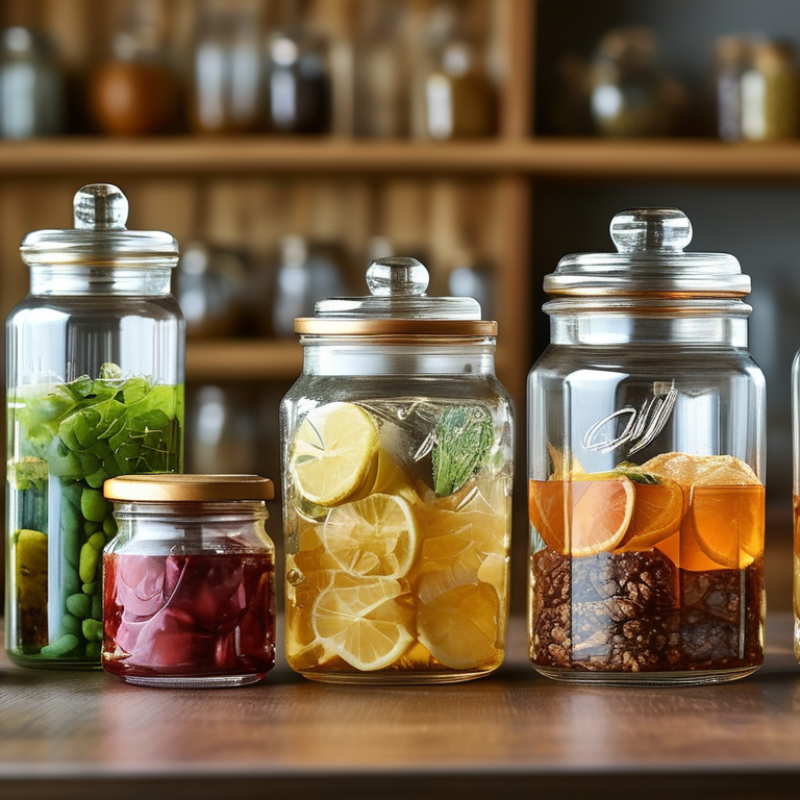
Top 10 Glass Food Jar Options for Global Buyers
When selecting glass food jars, global buyers face diverse and crucial choices. The market for glass packaging continues to grow. According to a recent industry report, the global glass food jar segment is expected to reach USD 7.7 billion by 2026. This reflects a compound annual growth rate of 4.2%. Buyers must consider various factors, like eco-friendliness and durability.
The appeal of glass jars extends beyond aesthetics. Glass provides an inert solution for food storage, reducing contamination risks. Many consumers prefer glass over plastic due to its reusable nature. The recycling rate for glass can also exceed 90%, according to waste management reports. However, buyers must often weigh the upfront cost against long-term benefits. Glass jars can be more expensive but often last longer.
Some designs may lack airtight seals, leading to spoilage. This is a common concern among consumers choosing jars for perishables. Buyers should carefully study product reviews to identify which jars perform best. Diversity in style and size makes the selection process challenging. Ensuring a good fit for their needs requires diligent research.
Key Features to Consider When Choosing Glass Food Jars
When choosing glass food jars, key features significantly impact your selection. Look for jars that offer airtight seals. These seals can keep food fresh longer and prevent moisture from entering. Check for jars made from high-quality, durable glass. Thicker glass can withstand temperature changes and is less likely to break.
Consider the size and shape of the jars. Choose containers that suit your storage needs. Smaller jars are perfect for spices, while larger jars work well for dry goods. Be mindful of how you plan to store them. Some designs stack nicely, saving kitchen space.
Tips: Always inspect for any cracks or defects before purchasing. These flaws can compromise the jar's functionality. Additionally, spend time reading reviews on durability. Sometimes, even well-rated jars can chip over time. Reflect on your storage habits. Do you need visibility for quick access, or is an opaque jar more suitable? These insights guide better choices.
Comparison of Different Types of Glass Food Jars
When considering glass food jars, various types stand out for global buyers. Each type offers unique features and potential drawbacks. Open-top jars are popular for their easy access. They are ideal for storing snacks and ingredients. However, they may expose contents to moisture and air more readily, affecting freshness.
Tight-sealing jars, on the other hand, provide an airtight environment. They keep food fresher for longer periods. These jars are perfect for preserves and pickles. A potential concern is their heavier weight, making them less portable. Specialty jars, such as those with decorative designs, can add charm to kitchen décor. Yet, they may not be as practical for storage and could be more expensive.
Ultimately, the choice of a glass food jar depends on individual needs and usage. Factors like cost, design, storage capacity, and functionality all play a role. Buyers should reflect on what matters most to them: aesthetics or practicality. Balancing these aspects can lead to a more satisfying purchase experience.
Top 10 Glass Food Jar Options for Global Buyers
| Option |
Volume (Liters) |
Height (cm) |
Diameter (cm) |
Sealing Type |
Suitable For |
| Classic Mason Jar |
0.5 |
15 |
7 |
Screw-on Lid |
Canning, Storage |
| Round Glass Jar |
1 |
18 |
10 |
Clip Lid |
Dry Goods, Snacks |
| Square Glass Jar |
1.5 |
22 |
10 |
Screw-on Lid |
Spices, Herbs |
| Bamboo Lid Jar |
0.75 |
12 |
8 |
Bamboo Lid |
Oils, Sauces |
| Eco-Friendly Jar |
1 |
19 |
9 |
Silicone Seal |
Baking Ingredients |
| Fermentation Jar |
2 |
25 |
12 |
Airlock |
Ferments, Pickles |
| Large Storage Jar |
3 |
30 |
15 |
Screw-on Lid |
Grains, Pasta |
| Condiment Jar |
0.4 |
10 |
6 |
Flip Lid |
Sauces, Dips |
| Decorative Jar |
0.6 |
13 |
7 |
Cork Stopper |
Decoration, Crafts |
| Pet Treat Jar |
1.2 |
16 |
10 |
Seal Lid |
Pet Treats |
Best Uses for Glass Food Jars in the Kitchen
Glass food jars are versatile kitchen essentials. They are perfect for storing ingredients like grains, spices, and dried fruits. Their transparent design allows you to see contents easily. This can help with meal prep and organization. Using jars can reduce waste by keeping food fresh longer.
In addition to storage, glass jars make excellent serving containers. They add a rustic charm to your kitchen. You can use them for salads, snacks, and desserts. Smaller jars are great for individual servings. Guests will appreciate this thoughtful touch.
However, they do require careful handling. Glass can break easily if dropped, leading to injury and mess. Ensure you place them in safe areas. Regular checks for chips or cracks are a good practice. Being mindful of these issues will enhance your kitchen experience. Taking a moment to reflect on how you use glass jars can yield better organization and aesthetics.
Sustainability and Eco-Friendliness of Glass Food Jars
Glass food jars are becoming increasingly popular among consumers seeking sustainable options. Unlike plastic, glass is recyclable and can be reused multiple times without losing quality. According to the Glass Packaging Institute, up to 80% of glass containers can be recycled. This means less environmental impact and reduced waste in landfills.
However, the production of glass does require energy and natural resources. The process of melting raw materials and processing them into jars emits CO2. It's essential to address the lifecycle emissions of glass versus alternatives. A study found that while glass has a higher initial carbon footprint, its recyclability ultimately leads to lower emissions in the long run.
Moreover, glass food jars are non-toxic and do not leach harmful chemicals, unlike some plastics. This leads to safer food storage. Consumers are more health-conscious today, driving the demand for eco-friendly containers. But it's important to reflect on the entire supply chain. Sourcing glass from local manufacturers can reduce transportation emissions. Investing in local glass production can help communities thrive while promoting sustainability.
Pricing and Availability of Popular Glass Food Jar Brands
When exploring the market for glass food jars, pricing can vary significantly. Customers can find budget-friendly options, typically ranging between $10 and $15 for basic jars. These products often serve functional purposes without fancy designs. Higher-end jars, with unique shapes or features like airtight lids, can cost upwards of $30.
Availability also fluctuates based on location and demand. Some popular retailers may stock various sizes and styles, but others might offer limited selections online. It's vital to compare prices before purchasing. Local shops may have seasonal sales. Online platforms often feature customer reviews, providing insights into product reliability.
Choosing the right jar isn't straightforward. Many jars look appealing, yet may not fit all needs. Some consumers report issues with sealing or durability. Researching options is critical for making an informed choice. Every buyer should weigh their preferences against practical considerations.
Top 10 Glass Food Jar Options - Pricing Overview
FAQS
: Glass jars provide a safe storage option, reducing contamination risks. They are also reusable and recyclable.
Glass is more sustainable as it can be recycled multiple times without quality loss, unlike plastics.
Yes, glass jars often have a higher upfront cost. However, they may last longer, offering long-term value.
Look for airtight seals to prevent spoilage and study product reviews for performance insights.
Absolutely! They add a rustic charm and are great for salads, snacks, and desserts, enhancing presentation.
Handle them carefully and check for chips or cracks regularly. Place them in safe areas to prevent breakage.
Glass production requires energy and emits CO2, but its recyclability helps reduce overall emissions over time.
Yes, glass is non-toxic and doesn’t leach harmful chemicals, which appeals to health-conscious consumers.
Sourcing glass locally can reduce transportation emissions and support local economies, enhancing overall sustainability.
They can break easily and require careful handling, which may be a concern in busy kitchens. Reflecting on usage helps improve safety.
Conclusion
This article explores the top 10 glass food jar options for global buyers, highlighting key features to consider when selecting the perfect glass food jar. It includes a comparison of various types of glass food jars, discussing their advantages and best uses in the kitchen, such as storage, meal prep, and organization. Additionally, the article emphasizes the sustainability and eco-friendliness of glass food jars, making them a preferable choice for environmentally conscious consumers. Finally, pricing and availability of popular options are discussed, ensuring readers have a comprehensive understanding of their choices in the glass food jar market.

 Hengsheng