How to Use Weck Jars Glass for Perfect Food Preservation?

Time:2026-06-26 Author:Mason
0%

Weck Jars Glass have gained popularity among home canning enthusiasts. They are versatile and beautiful. These jars not only preserve food but also showcase its vibrant colors. Using Weck jars can elevate your food storage experience.

With the right techniques, food preservation can be simple. Many find it challenging to maintain the freshness and flavor of ingredients. The unique design of Weck jars aids in achieving optimal preservation. They come in various shapes and sizes, catering to different foods. However, it's crucial to understand the proper sealing methods. Incorrect sealing can lead to spoilage.

The journey of food preservation with Weck Jars Glass is rewarding. There are moments of trial and error. Recognizing what works and what doesn’t is part of the process. Details matter—like using the right lids and checking for imperfections. Embrace the learning curve, and you'll master the art of food preservation.
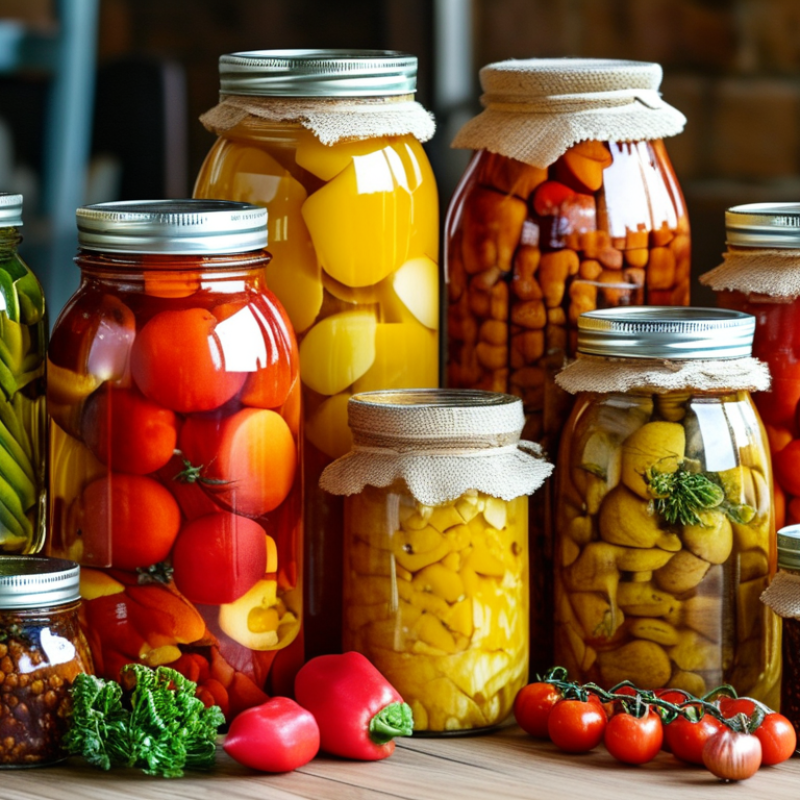
How to Use Weck Jars Glass for Perfect Food Preservation?

Understanding Weck Jars: Types and Features for Food Preservation

Weck jars are a fantastic option for food preservation. They come in various types, each serving a unique purpose. The most common styles are the straight-sided jars, tapered jars, and wide-mouth jars. These designs allow for easy filling and cleaning. The materials used are durable glass, which ensures a secure seal. This is crucial for maintaining food quality over time.

Features of Weck jars are worth considering. The glass is free of chemicals, allowing for safe food storage. The gaskets play an essential role in sealing. They prevent air and moisture from entering, which can spoil your food. However, the gaskets need to be replaced regularly. This can be overlooked by many, yet it's vital for effectiveness.

One potential issue is finding the right size for your needs. Sometimes, jars might feel too large or small for certain foods. It can be tempting to overpack them, which leads to poor sealing. Careful thought is required when selecting jars. The goal is to maximize preservation without compromising quality. Errors in this process can lead to wasted efforts and food spoilage.

Preparing Your Ingredients: Best Practices Before Using Weck Jars

When preparing ingredients for Weck jars, ensure they are fresh and high-quality. Look for seasonal produce, as they often have the best flavor and nutrients. Wash your fruits and vegetables thoroughly to remove dirt and pesticides. This step is crucial for successful preservation, as clean ingredients yield the best results.

Cut your ingredients into uniform pieces. Similar sizes help ensure even cooking and preserving. However, be careful not to over-process. Large chunks may not fit well in the jar. This is a common mistake that can lead to poor sealing. Consider the texture you desire. Softer foods, like tomatoes, may break down more than firmer items.

Take time to prepare your jars. Inspect them for any chips or cracks. Disinfecting them is essential; using boiling water can help eliminate bacteria. Remember, it’s not just about filling the jars but doing it right. Neglecting these details may compromise your food safety and freshness. Be patient and mindful during this process; it leads to greater satisfaction with your preserved goods.

Food Preservation Techniques Using Weck Jars

Step-by-Step Guide to Filling Weck Jars for Optimal Preservation

Filling Weck jars for food preservation can be both art and science. Start by selecting fresh ingredients. Clean them thoroughly to remove any dirt or contaminants. Chop larger items into uniform pieces for even packing. Layer your ingredients carefully; this helps in achieving the best preservation outcomes.

Use wooden utensils to avoid air pockets. Air can lead to spoilage, which is the last thing you want. Fill the jars until the recommended headspace remains. This space is crucial for proper sealing during processing. Be mindful of not overfilling; water can escape, which may compromise the seal.

When it comes to sealing, inspect the rubber gaskets. Any signs of wear can lead to failures. After sealing, process the jars in a water bath. Keep a close watch on the time and temperature.

Mistakes can happen, such as forgetting to adjust the water level. Always reflect on each batch’s results. Was there a change in taste or texture? Document what went well and what didn’t. This critical reflection can significantly improve future preservation efforts.

Sealing Techniques: Ensuring Air-tightness for Food Longevity

Sealing food properly in Weck jars is essential for ensuring air-tightness. According to a study by the USDA, proper sealing can enhance food shelf life by up to 50%. An effective seal prevents the growth of bacteria and spoilage. The jars' glass lids create a vacuum seal, which locks in nutrients and flavors.

To achieve optimal sealing, inspect the rubber gaskets for wear. Even minor imperfections can compromise air-tightness. If the gasket is not intact, it may allow air in, leading to spoilage. A recent report from the International Food Preservation Society highlighted that nearly 30% of home-preserved foods fail due to inadequate sealing techniques. Remember, the right temperature during sealing is also critical. Sealing at too high or low a temperature can affect the jar's effectiveness.

Pay attention to the filling level. Leaving too much space can trap air inside the jar. It's important to leave an adequate headspace, typically 1 to 2 inches depending on the food type. This practice not only improves the seal but also maintains the best quality of the preserved foods. Regularly checking and adjusting your sealing method is vital for perfect food preservation.

How to Use Weck Jars Glass for Perfect Food Preservation? - Sealing Techniques: Ensuring Air-tightness for Food Longevity

Preservation Method Recommended Food Items Sealing Technique Storage Duration Notes
Water Bath Canning Fruits, Jams Place jar in boiling water for 10-15 minutes 1-2 years Ensure jars are submerged completely
Pressure Canning Vegetables, Meats Use a pressure canner for 20-90 minutes 2-5 years Check for proper seals after cooling
Fermentation Pickles, Sauerkraut Use fermentation lids to allow gas escape 6 months to 1 year Store in a cool, dark place
Freezing Soups, Broths Leave headspace in jars before freezing 6 months to 1 year Ensure jars are freezer-safe

Storage Tips: Ideal Conditions for Preserving Weck Jar Contents

When using Weck jars for food preservation, the storage conditions play a crucial role. The environment around the jars directly impacts their contents. Ideal storage conditions include a cool, dark place with stable temperatures. Avoid areas exposed to sunlight. Heat can spoil the food much faster than expected. A basement or pantry often works well for this purpose.

Humidity is another key factor. Too much moisture can lead to mold growth inside jars. Conversely, too little humidity may dry out the food. Aim for a moderate level of humidity to maintain the best conditions for preservation. Seal the jars properly to prevent moisture from entering. Check the seals regularly. A small crack can lead to spoilage.

Storing the jars upright is recommended. This position allows for even pressure distribution inside. Be mindful of stacking jars, as this can cause stress on seals. It's vital to review regularly if everything remains in good condition. Sometimes, even well-sealed jars can show signs of deterioration over time. Analyzing these conditions can help enhance food preservation techniques.

FAQS

: What are Weck jars used for?

: Weck jars are designed for food preservation. They help maintain food quality over time.

What materials are Weck jars made of?

Weck jars are made of durable glass. This ensures a safe and secure seal for food storage.

How often should gaskets be replaced?

Gaskets should be replaced regularly for effective sealing. Many people forget this critical step.

What should I consider when choosing jar sizes?

Choosing the right jar size is vital. Jars that are too large or small may spoil food.

How can I prepare ingredients for filling jars?

Start with fresh, clean ingredients. Chop larger items into uniform pieces for even packing.

Why is headspace important when filling jars?

Headspace allows for proper sealing during processing. Overfilling can compromise the jar's seal.

What tools should I use while filling jars?

Use wooden utensils to fill jars. They help prevent air pockets that can lead to spoilage.

How can I ensure the jars seal properly?

Inspect the rubber gaskets for wear. This step is essential to avoid sealing failures.

What if I make mistakes when preserving?

Mistakes can happen during the process. Reflect on each batch's results to improve future efforts.

How should I document my preservation process?

Keep notes on what goes well and what doesn't. This reflection helps enhance your preservation skills.

Conclusion

Weck Jars Glass are versatile and effective tools for food preservation, offering various types and features tailored to different preservation needs. Understanding the specific types of Weck Jars available is crucial for selecting the right one, as each type is designed to suit different foods and preservation techniques. To achieve optimal results, it is important to prepare your ingredients properly before using Weck Jars.

Once your ingredients are ready, a step-by-step approach to filling the jars ensures that air pockets are minimized, which is vital for successful preservation. Employing effective sealing techniques guarantees an airtight environment, essential for prolonging the longevity of the contents. Lastly, storing Weck Jars Glass in ideal conditions, such as a cool, dark place, will further enhance food preservation efforts, allowing you to enjoy home-preserved foods at their best.


Mason

Mason

Mason is a seasoned marketing professional with a deep expertise in the company's offerings and a passion for driving brand awareness. With a strong background in digital marketing strategies, he has an innate ability to connect with diverse audiences and effectively communicate product benefits.......