Why Choose Highball Glasses for Your Business?

Time:2026-10-25 Author:Mason
0%

Why Choose Highball Glasses for Your Business?

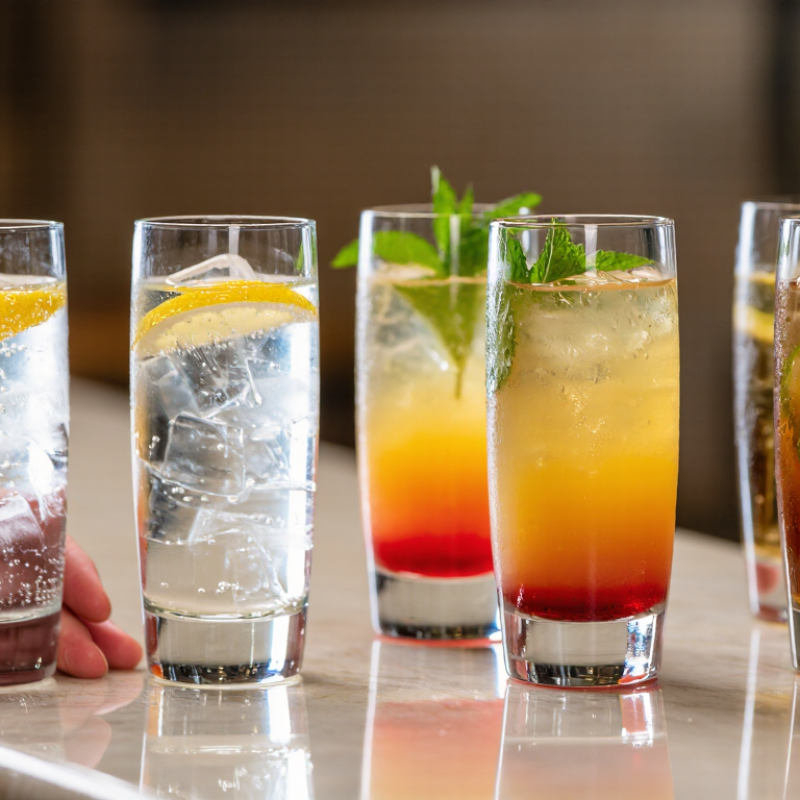
Choosing the right glassware affects service speed, presentation, and customer confidence. Highball Glasses offer a practical format for mixed drinks, soft beverages, iced tea, and sparkling water. Their tall shape creates room for ice, liquid, and attractive garnishes without making the drink appear crowded.

In a busy bar, consistency matters. A highball glass can help staff follow repeatable pour levels and presentation standards. Its narrow profile may also support efficient tray placement during table service. Clear glass reveals fresh citrus, layered colors, and rising bubbles. Those details can make an ordinary beverage feel more carefully prepared. Glass weight is important, too. A stable base feels safer in the customer’s hand and may reduce accidental tipping.

Small details matter.

From a purchasing perspective, businesses should examine rim quality, capacity, dishwasher performance, and replacement costs. Experienced operators know that the cheapest glass is not always the most economical choice. Frequent breakage can disrupt service and increase ordering work. However, not every highball design suits every venue. Some models feel too delicate for outdoor use, while thicker options may appear less refined. This is where practical testing helps. Place samples beside your existing glassware, run them through normal cleaning cycles, and ask staff for honest feedback. Suppliers should provide clear specifications and consistent quality information. A thoughtful decision balances appearance, durability, storage space, and the expectations of your customers. Highball Glasses are not a universal solution, but they can become a dependable foundation for a polished beverage program.
Why Choose Highball Glasses for Your Business?

Understanding the Design and Purpose of Highball Glasses

A highball glass is designed for long mixed drinks, usually spirit, mixer, ice, and garnish. Its tall shape keeps carbonation concentrated and gives the drink a clean visual structure. The narrow profile also helps control dilution, although that depends heavily on ice quality and pouring speed. In service, a 300–350 millilitre capacity fits a standard highball without making the drink look lost.

The format matches changing customer habits. IWSR’s 2024 market analysis forecasts the no- and low-alcohol category to grow by about 7% annually from 2023 to 2027. A tall glass gives these lighter drinks volume, aroma, and presence without requiring more alcohol. The 2024 State of the Restaurant Industry report also projected U.S. restaurant sales above one trillion dollars, increasing pressure on operators to deliver consistent presentation quickly. That matters during a crowded evening shift.

A useful detail is the rim. A thin, even edge improves sipping, while a heavier base reduces tipping on wet counters. Clear glass also exposes cloudy ice, uneven layers, or a fading garnish. That honesty is valuable. It can be unforgiving. Staff should test each glass with the actual ice and recipe, because a visually elegant design may still feel awkward in the hand. Highball glasses are practical, but only when their proportions suit the menu, storage space, and daily service rhythm.

Evaluating Highball Glasses for Different Beverage Programs

Highball glasses deserve evaluation by beverage program, not appearance alone. Their tall, narrow shape supports generous mixers, visible carbonation, and layered colors. A standard 10–14 ounce capacity can control portions better than oversized tumblers. It also leaves room for long ice columns, which slow dilution during busy service.

The IWSR 2024 No- and Low-Alcohol Strategic Study forecasts the global no- and low-alcohol market will grow by 7% annually through 2028. Highballs suit this shift because tonic, soda, tea, and botanical mixers need space. They also make lower-strength drinks look intentional, rather than reduced. For classic mixed drinks, the format gives a clean ratio between spirit, mixer, and ice. Still, tall glassware can feel unstable on crowded trays. That weakness matters in real operations. I have found that a beautiful glass becomes a poor choice when servers avoid carrying it.

Tips: Test three sizes during a peak shift. Measure ice weight, liquid volume, melting time, and return rates. Check whether the glass fits your dishwasher racks and storage shelves. Ask staff for blunt feedback. Guests often notice comfort before design.

The Bacardi Cocktail Trends Report 2024 identifies moderation, premium presentation, and refreshing serves as continuing consumer interests. A highball can answer all three, but only with disciplined recipes. Clear ice may improve appearance, yet it can increase cost and preparation time. A simpler cube format may perform better for high-volume service. Review breakage, washing labor, and pour consistency every month. Data may challenge the original design decision.

Comparing Durability, Capacity, and Everyday Business Use

Why Choose Highball Glasses for Your Business?

Highball glasses suit busy beverage service because they balance durability with a practical drinking size. A sturdy base helps reduce tipping when tables become crowded. Thicker walls can also handle frequent washing and repeated handling. However, no glass is unbreakable. Chips often appear around the rim after careless stacking or sudden temperature changes. Staff training still matters.

Capacity affects both recipes and operating costs. A glass holding 10 to 14 ounces usually leaves room for ice, mixers, and a visible garnish. That space supports consistent portions without making drinks appear sparse. It also reduces unnecessary refills during lunch service or event work. Smaller glasses may control costs better, but they can feel cramped with large ice cubes. Measure your common recipes before ordering.

Everyday use reveals details that product descriptions may miss. A balanced highball should feel secure when lifted with one hand. Its straight sides make liquid levels easy to check during quality control. Clear glass also helps staff notice melting ice, residue, or an uneven pour. That sounds minor. It is not.

I would test samples for a full service week. Check rim comfort, dishwasher results, storage efficiency, and breakage patterns. Some lighter glasses save shelf space but may feel less reliable. That trade-off deserves honest review. For most businesses, the best choice is not the thickest glass, but one that survives routine use without slowing the team.

Why Choose Highball Glasses for Your Business?

Comparing capacity, durability, and everyday service practicality

Highball glasses typically provide a balanced 300–355 ml capacity, making them suitable for mixed drinks, soft drinks, iced tea, and water service. Their tall profile accommodates ice and layered beverages, while commercial versions commonly use reinforced rims or thick bases to better withstand frequent handling and washing. Actual capacity and durability vary by glass design.

Assessing Customer Experience and Service Efficiency

Why Choose Highball Glasses for Your Business?

Highball glasses can make service feel faster, clearer, and more intentional. Their tall shape separates ice, spirit, mixer, and garnish visually. Staff can check drink levels quickly across a busy bar. Customers also see a generous, structured serving.

That visibility matters during crowded service. PwC’s Experience Is Everything report found that 32% of customers would leave after one poor experience. Its research also showed that 73% consider experience an important purchasing factor. The 2024 State of the Restaurant Industry report identifies service speed as a continuing operational priority.

Highball glasses support this goal when drinks use repeatable recipes and measured portions. They stack reasonably well, fit standard trays, and reduce accidental spills when handled correctly. Still, they are not a perfect solution. Tall glassware can tip, chip, or become awkward on small tables. I have seen attractive setups slow service when staff lacked enough tray space.

Tips: Choose a stable base and a comfortable rim. Keep glass capacity consistent across the menu. Test each glass with ice, liquid, garnish, and a full tray. Record filling time during a real service period. Train staff to carry fewer glasses when visibility is limited. Review breakage weekly. The numbers may surprise you.

Planning Cost, Maintenance, and Purchasing Requirements

Why Choose Highball Glasses for Your Business?

Planning cost, maintenance, and purchasing requirements matters more than appearance. Highball glasses suit mixed drinks, soft drinks, and water service. Their tall shape also supports consistent portion control. The 2024 State of the Restaurant Industry report projected more than $1 trillion in U.S. restaurant sales. At that scale, small breakage differences can affect monthly budgets.

Purchase cost is only the beginning. Compare unit price, capacity, rim thickness, stacking design, and replacement availability. A low-cost glass may chip faster under busy service conditions. That assumption needs testing. Record breakage for four weeks before choosing a permanent model. Track damaged glasses by shift and washing cycle. The U.S. Department of Energy identifies water, heating, and cycle time as important commercial-kitchen operating costs. Therefore, glassware should match your dishwasher’s racks and operating temperature. Poor fit wastes space and increases handling time. The National Restaurant Association also identifies labor and food costs as major operating pressures, so simpler handling can support staff efficiency.

Tips: Order a small trial batch first. Test grip, stability, dishwasher clearance, and drying marks. Keep a replacement allowance, perhaps 5–10% of your active stock, then adjust it using real breakage data. Do not assume every supplier’s capacity measurement is identical. Confirm usable volume, carton quantity, lead time, and delivery protection in writing. A purchasing decision based only on photographs is convenient, but rarely reliable.

FAQS

What beverage programs suit highball glasses?

They suit mixed drinks, soft drinks, water, and lower-strength beverages. Tonic, soda, tea, and botanical mixers need extra room. The tall shape makes moderate drinks look deliberate, not unfinished.

What capacity works best for everyday service?

A 10–14 ounce capacity usually works well. It leaves room for ice, mixers, and a visible garnish. Measure your recipes first. A smaller glass may control costs better, but large cubes can make it feel cramped.

How do highball glasses support portion control?

Their tall shape creates a clear space for liquid, ice, and garnish. Staff can check the fill level quickly. A consistent ice column also helps maintain drink ratios. It is not a perfect system.

Are highball glasses stable during busy service?

A sturdy base can reduce tipping on crowded tables. However, tall glasses may feel unstable on full trays. Test them during a peak shift. A beautiful glass is useless if servers avoid carrying it.

What durability details should businesses inspect?

Check the rim, base, wall thickness, and stacking design. Chips often appear after careless stacking or sudden temperature changes. No glass survives everything. Staff handling still matters.

How should a business test glassware before purchasing?

Order a small trial batch first. Use the glasses for a full service week. Measure breakage, liquid volume, melting time, and return rates. Ask staff for blunt feedback. Their complaints may reveal the real problem.

How can highball glasses affect maintenance costs?

Glasses should fit dishwasher racks and storage shelves. Poor fit wastes space and increases handling time. Record washing marks, drying problems, and damaged rims. A cheaper glass may cost more later.

What purchasing details deserve written confirmation?

Confirm usable capacity, carton quantity, replacement availability, lead time, and delivery protection. Do not trust photographs alone. Keep a replacement allowance, perhaps 5–10% of active stock. Adjust it when real breakage data disagrees.

Conclusion

Highball Glasses are a practical and versatile choice for businesses serving mixed drinks, soft drinks, juices, and other refreshing beverages. Their tall, streamlined design supports layered presentation, comfortable handling, and an appealing balance between beverage volume and ice. By selecting suitable capacities and shapes, businesses can create consistent serving standards across different beverage programs while improving visual presentation and customer satisfaction.

For everyday operations, Highball Glasses should be evaluated for durability, stability, cleaning convenience, and resistance to frequent commercial use. Their capacity can help reduce refills and improve service efficiency, while a consistent glass style supports a professional dining experience. Businesses should also consider storage space, replacement needs, maintenance routines, and total purchasing costs before making a decision. A well-planned selection can support smoother service, reliable presentation, and long-term value without adding unnecessary complexity to daily operations.


Mason

Mason

Mason is a seasoned marketing professional with a deep expertise in the company's offerings and a passion for driving brand awareness. With a strong background in digital marketing strategies, he has an innate ability to connect with diverse audiences and effectively communicate product benefits.......